
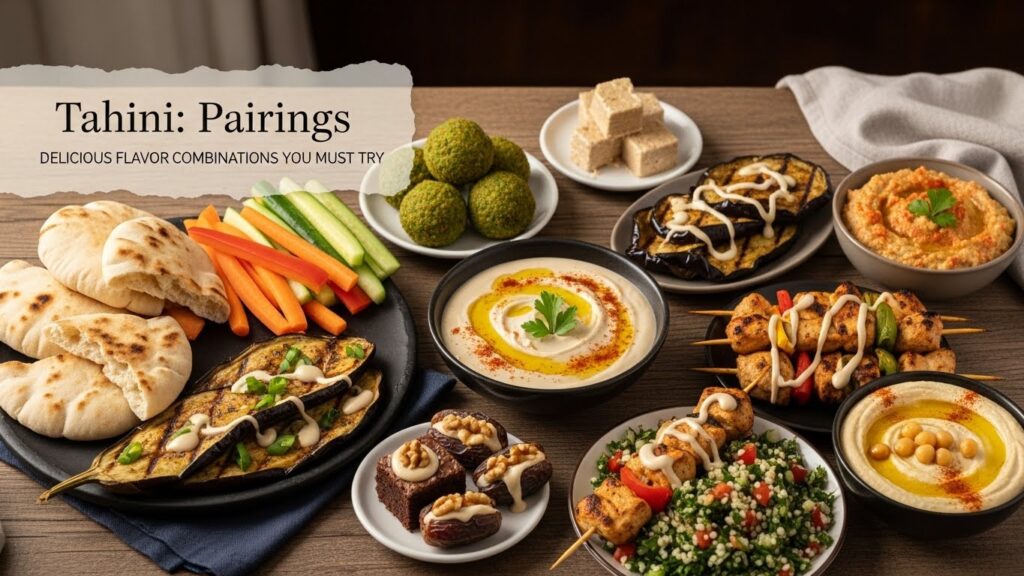
Tahini is more than just a trendy ingredient; it’s a culinary gem that has stood the test of time. This creamy, nutty paste made from ground sesame seeds is beloved in many cuisines around the world, especially in Middle Eastern dishes. Its versatility extends far beyond traditional uses, making it an exciting addition to various recipes.
Whether you’re drizzling it over roasted vegetables or using it as a base for sauces and dressings, tahini opens up endless flavor possibilities. If you’ve never experienced its rich taste or health benefits, now is the perfect time to explore this fantastic ingredient. Get ready to dive into delicious pairings and innovative ways to incorporate tahini into your cooking!
What is Tahini?
Tahini is a smooth paste made from roasted and ground sesame seeds. It boasts a rich, nutty flavor that makes it a staple in many kitchens around the globe. The texture is creamy, similar to peanut butter, but with its own distinct character.
Used primarily in Middle Eastern cuisine, tahini serves as the backbone of classic dishes like hummus and baba ghanoush. Its versatility allows it to blend seamlessly into both sweet and savory recipes.
What sets tahini apart is its nutritional profile. Packed with healthy fats, protein, vitamins, and minerals, it’s not just delicious—it’s nutritious too! This ancient ingredient has been cherished for centuries for its taste and health benefits alike. Whether used in dips or dressings, tahini adds depth to any dish while providing essential nutrients that nourish your body.
Health Benefits of Tahini
Tahini is not just a tasty addition to dishes; it’s also packed with health benefits. Made from ground sesame seeds, this creamy paste offers a rich source of vitamins and minerals.
It is particularly high in calcium, which supports bone health. This makes tahini an excellent choice for those looking to strengthen their skeletal system, especially vegans and vegetarians.
Rich in healthy fats, tahini helps maintain heart health by promoting good cholesterol levels. Its monounsaturated fats can contribute to better cardiovascular function.
Moreover, tahini provides protein that aids muscle repair and growth. It’s an ideal option for athletes or anyone wanting to boost their protein intake without relying solely on meat sources.
The presence of antioxidants in tahini helps combat oxidative stress in the body. This means it may play a role in reducing inflammation and lowering the risk of chronic diseases over time.
Traditional Uses of Tahini in Middle Eastern Cuisine
Tahini has been a staple in Middle Eastern cuisine for centuries. This creamy paste made from ground sesame seeds is celebrated for its rich flavor and versatility.
In many traditional dishes, tahini shines as a key ingredient. It forms the base of beloved sauces like tahini sauce, which adds depth to falafel and shawarma. Drizzled over salads or mixed into dressings, it enhances every bite with its nutty essence.
Beyond dips and spreads, tahini plays a role in desserts too. It’s often found in halva—a sweet confection that combines sugar and tahini into delightful bites of indulgence.
Cooking with tahini goes beyond taste; it’s also about tradition. Generations have passed down recipes featuring this essential ingredient, connecting families through shared meals filled with warmth and flavor.
Unconventional Ways to Use Tahini in Cooking
Tahini isn’t just for hummus or drizzle on salads. This versatile paste can elevate many dishes in unexpected ways.
Try adding to smoothies for a nutty creaminess. It blends seamlessly with fruits and greens, boosting texture and nutrition.
For an interesting twist on traditional baked goods, incorporate into cookies or brownies. The rich flavor enhances chocolate, making desserts even more indulgent.
You can also experiment by mixing it into marinades for meat or tofu. Tahni adds depth while keeping your proteins moist during cooking.
Consider using as a base for salad dressings, too. Combine it with lemon juice, garlic, and water for a creamy consistency that’s far from ordinary.
Even breakfast can benefit; spread some on toast topped with bananas or drizzled honey. You’ll discover new layers of flavor that are deeply satisfying.
Perfect Pairings: Flavor Combinations with Tahini
Tahini is a versatile ingredient that can elevate countless dishes. Its creamy texture and nutty flavor create perfect harmony with various foods.
For a fresh twist, pair with citrus. Drizzle it over roasted vegetables or mix it into a vibrant salad dressing for brightness and depth.
When combined with honey or maple syrup, transforms into an indulgent dip for fruits. Think apple slices or banana chunks—pure bliss!
Want to amp up your breakfast? Blend into smoothies for added creaminess and nutrition. It harmonizes beautifully with bananas, spinach, and almond milk.
Don’t forget about savory combinations! works wonders in hummus alongside garlic, lemon juice, and cumin. The result is a rich spread that pairs well with pita bread or as a veggie dip.
Experimenting opens the door to new culinary adventures—let your taste buds guide you!
Beyond Food: Other Uses for Tahini
Tahini isn’t just for your favorite hummus or salad dressings. This versatile paste made from ground sesame seeds has found its way into various non-culinary applications.
For skincare enthusiasts, can be a natural moisturizer. Its rich oils hydrate the skin and may even soothe irritation thanks to its anti-inflammatory properties. Consider applying it as a face mask for a nourishing treat.
In hair care, offers benefits too. The vitamins and minerals present in sesame contribute to healthier strands. A simple mixture with honey can make an effective deep conditioning treatment.
Craft lovers can also appreciate tahini’s unique qualities. It serves as an excellent base for homemade paints or crafts, providing texture and richness that store-bought alternatives lack.
With so many uses beyond food, truly deserves a spot in every household!
Where to Find and How to Make Tahini
Tahini can be found in most grocery stores, usually located in the international or health food aisles. Look for jars labeled as pure sesame paste. Organic options are often available too, providing a more wholesome choice.
If you prefer making it at home, the process is straightforward and rewarding. Start with toasted sesame seeds for a deeper flavor. Blend one cup of these seeds with two to three tablespoons of olive oil until smooth.
Adding a pinch of salt enhances the taste beautifully. You can adjust the consistency by adding more oil if needed or water for a lighter texture.
Homemade tahini is fresh and free from preservatives, allowing you to control every ingredient involved. Plus, experimenting with different types of oils can lead to exciting flavor variations!
Conclusion
Tahini, with its rich texture and nutty flavor, is more than just an ingredient; it’s a culinary adventure waiting to be explored. Whether you’re dipping warm pita bread into creamy tahini or drizzling it over roasted vegetables, this versatile paste elevates every dish. Not only does it pack a nutritional punch full of healthy fats and minerals, but it also boasts endless possibilities in both traditional Middle Eastern recipes and modern twists.
From pairing beautifully with sweet ingredients like honey and fruits to enhancing savory dishes alongside garlic and lemon, tahini offers something for everyone. Its unique flavor profile makes it a star player in dressings, dips, desserts, and much more.
And let’s not forget the other uses beyond the kitchen! Skincare enthusiasts have discovered its moisturizing properties while health-conscious consumers appreciate its nutrient density.
So whether you’re incorporating tahini into your meals or exploring its diverse applications elsewhere, embracing this ingredient opens up a world of flavors that are both delightful and beneficial. Dive into the deliciousness of tahini today—your taste buds will thank you!