
Privacy at home is no longer just about closing the curtains at night. In today’s connected and fast-paced world, protecting your personal space requires thoughtful design, smart technology, and a few practical upgrades. The good news? You don’t need to overhaul your entire house to feel safer and more secure. Small, intentional changes can significantly improve both privacy and peace of mind. Here are simple upgrades that make a big difference.
Start with Doors and Locks
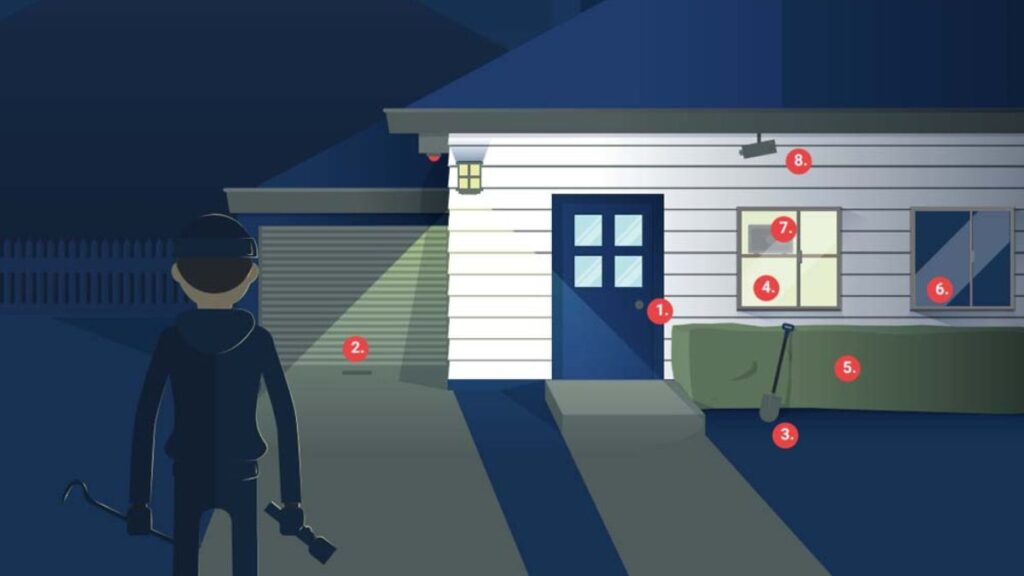
Your home’s first line of defense is its entry points. Upgrading to high-quality deadbolts, smart locks, or reinforced strike plates can drastically reduce unauthorized access. Smart locks offer added convenience, allowing you to control access remotely, monitor entry logs, and eliminate the risk of lost keys. Even if you’re not ready for smart tech, ensuring all exterior doors have sturdy locks is a must.
Upgrade Windows for Privacy and Security
Windows are essential for natural light, but they can also be a privacy weak spot. Installing frosted or tinted window film allows sunlight in while preventing outsiders from seeing inside. For added security, consider laminated or impact-resistant glass, which is harder to break. Window sensors connected to a security system provide instant alerts if someone tries to force entry.
Improve Outdoor Boundaries
Clearly defined boundaries help deter unwanted attention. Well-maintained hedges, privacy screens, and strategic landscaping can block sightlines without making your home feel closed off. Physical barriers such as fence installations in Richmond can also enhance both privacy and curb appeal when chosen to complement the property’s design. The goal is to create separation without sacrificing aesthetics.
Use Smart Lighting Strategically
Lighting plays a major role in privacy and security. Motion-sensor lights around entryways and dark corners discourage intruders while helping you feel safer at night. Inside the home, smart lighting systems can simulate occupancy when you’re away, reducing the chance of targeted break-ins. Timed lights also prevent outsiders from knowing when a home is empty.
Strengthen Digital Privacy at Home
Home privacy isn’t only physical—it’s digital too. Secure your Wi-Fi network with strong passwords and updated encryption. Change default router settings and regularly update firmware. If you use smart home devices like cameras or voice assistants, review privacy settings and disable unnecessary data sharing. A secure digital environment prevents outsiders from accessing personal information.
Add Window Coverings with Purpose
Curtains and blinds do more than decorate a room. Blackout curtains, layered window treatments, and top-down shades give you control over visibility throughout the day. These options allow light in while keeping prying eyes out, especially in street-facing rooms or homes close to neighbors.
Install a Home Security System
Modern security systems are more accessible and customizable than ever. From video doorbells to full-home monitoring, these systems act as both deterrents and protective tools. Visible cameras and alarm signage alone can discourage intrusions. Many systems now integrate seamlessly with smartphones, providing real-time alerts and peace of mind whether you’re home or away.
Pay Attention to Sound Privacy
Privacy isn’t just about what others can see—it’s also about what they can hear. Adding weather stripping, solid-core doors, rugs, and wall hangings can help reduce sound transfer. For apartments or shared walls, acoustic panels or bookcases placed against common walls can noticeably improve sound insulation.
Maintain What You Have
Even the best upgrades lose effectiveness without proper maintenance. Regularly check locks, lighting, cameras, and fences for wear or damage. Trim landscaping that could create hiding spots near windows or doors. A well-maintained home sends a clear signal that the property is cared for and monitored.
Final Thoughts
Creating a more private and secure home doesn’t require extreme measures or expensive renovations. By focusing on entry points, visibility, lighting, and digital safeguards, you can build a living space that feels calm, protected, and truly your own. Privacy is about control—and with these simple upgrades, that control is firmly back in your hands.