
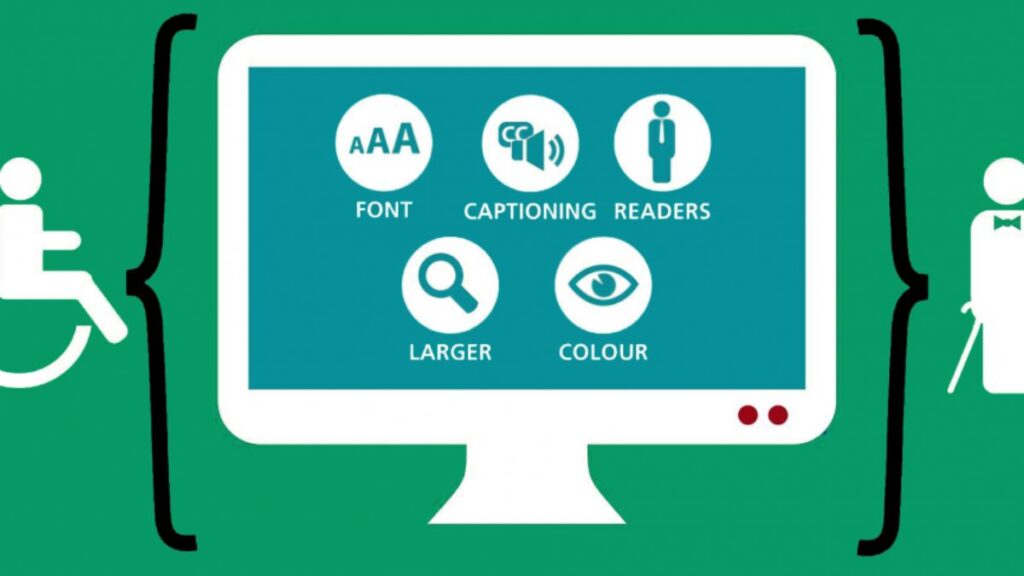
Accessibility is more than a legal requirement—it’s a commitment to creating inclusive spaces where everyone feels welcome. The Americans with Disabilities Act (ADA) sets the standard for accessibility in public spaces, workplaces, and commercial facilities, ensuring that individuals with disabilities have equal access to goods, services, and opportunities. For business owners and facility managers, understanding ADA compliance is essential—not only to avoid penalties but to foster a more welcoming environment for all.
Understanding ADA Compliance
The ADA covers a broad range of areas, including physical access, communication accessibility, and policy accommodations. In practical terms, this means that your building, parking areas, pathways, restrooms, and signage must meet specific accessibility standards. Compliance is not a one-time effort; it requires ongoing evaluation, maintenance, and sometimes, updates as your facilities evolve.
Key areas of focus include:
- Entrances and Exits: Doorways, ramps, and thresholds must allow easy access for wheelchair users or those with limited mobility.
- Parking and Pathways: Accessible parking spaces should be properly marked and located close to entrances. Pathways should be smooth, slip-resistant, and free of obstacles.
- Restrooms: Facilities should provide accessible stalls, sinks, and handrails, with adequate space for maneuvering.
- Signage and Communication: Signs should include Braille and clear, easy-to-read lettering. Websites and digital services should also be accessible to users with disabilities.
Planning for Accessibility
When planning renovations or new construction, it’s crucial to consider ADA compliance from the start. Engaging professionals with experience in accessibility can save time, reduce costs, and prevent potential legal issues. For example, if your business requires new parking or walkways, consulting an expert in asphalt paving in Ogden, UT can ensure surfaces are level, properly sloped, and compliant with ADA standards. Even minor adjustments, like adding a curb ramp or handrail, can dramatically improve accessibility.
Conducting an ADA Audit
Regular ADA audits are essential for maintaining compliance. These audits identify barriers, assess risks, and outline necessary improvements. A comprehensive audit typically involves:
- Inspecting Physical Spaces: Evaluate entrances, parking areas, restrooms, and hallways for accessibility issues.
- Reviewing Policies and Procedures: Ensure your business policies accommodate employees and customers with disabilities.
- Checking Digital Accessibility: Websites, mobile apps, and other digital platforms must be usable by individuals with disabilities.
- Documenting Findings: Maintain records of inspections, repairs, and updates to demonstrate compliance efforts.
Implementing Solutions
After identifying areas for improvement, it’s time to implement solutions. These can range from small modifications to major renovations:
- Install ramps, grab bars, and automatic doors.
- Ensure proper signage and clear pathways.
- Maintain smooth, stable surfaces in parking lots and walkways.
- Train staff on ADA requirements and inclusive practices.
Small changes can have a big impact. For example, repainting parking spaces with the correct dimensions, improving sidewalk slopes, or adding tactile indicators for visually impaired visitors can significantly enhance accessibility and overall customer satisfaction.
Benefits of ADA Compliance
Investing in accessibility isn’t just about avoiding legal consequences—it also strengthens your business. Key benefits include:
- Enhanced Customer Experience: Accessible facilities make it easier for all customers to engage with your business.
- Expanded Market Reach: ADA compliance opens your doors to more patrons, including people with disabilities.
- Improved Reputation: Demonstrating a commitment to accessibility shows social responsibility and inclusivity.
- Reduced Liability: Proactive compliance reduces the risk of fines or lawsuits.
Final Thoughts
ADA compliance is an ongoing journey that requires attention, planning, and sometimes professional guidance. By understanding regulations, conducting audits, and implementing practical solutions, businesses can create environments that are safe, inclusive, and welcoming to everyone. Whether you’re updating entrances, restrooms, or parking areas—like ensuring proper asphalt paving in Ogden, UT—the key is to prioritize accessibility at every step.
Creating accessible spaces isn’t just a requirement; it’s a commitment to equity, dignity, and opportunity for all visitors and employees. By following the guidelines in this guide, your business can navigate ADA compliance with confidence, providing a better experience for everyone who walks through your doors.