
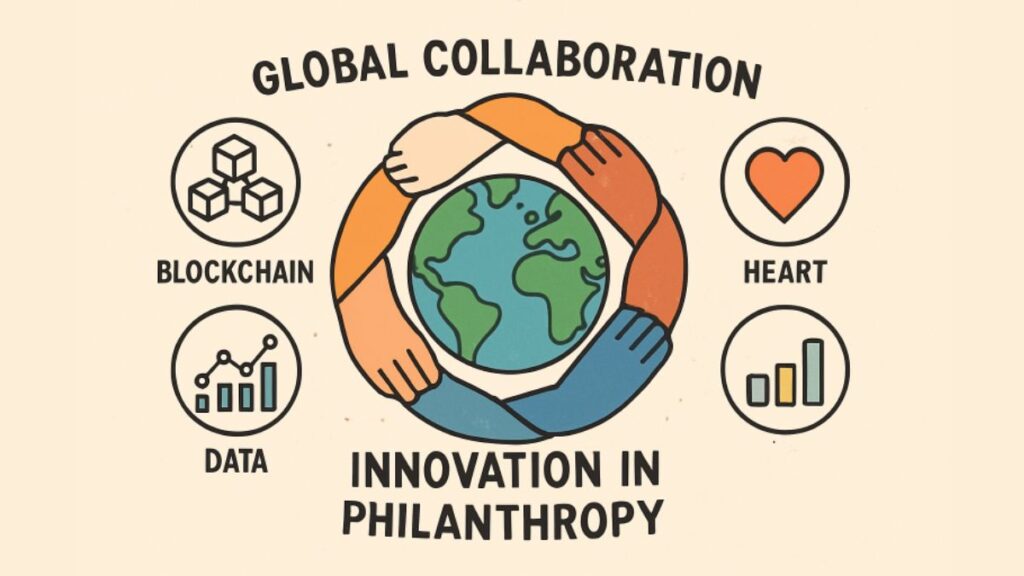
Global philanthropy is undergoing a dynamic transformation, leveraging emerging technologies, fresh leadership, and strategic collaboration. The shift is not only about reallocating resources but fundamentally changing how charitable activities create long-lasting impact worldwide. One inspiring figure in this space is Manoj Bhargava, whose commitment to innovation and practical solutions underscores the growing trend of results-focused giving in modern philanthropy. As donors and organizations seek greater accountability and creativity, the philanthropic landscape is poised to drive change more efficiently across continents.
Novel approaches such as deploying blockchain technologies, empowering youth, and expanding inclusivity through digital means are transforming how philanthropic organizations interact with beneficiaries and donors. These approaches are fostering transparency, widening access, and increasing the effectiveness of their outreach. By embracing collaboration and data-driven methodologies, global philanthropy is positioning itself to respond more rapidly and inclusively to pressing global challenges.
Philanthropy’s rapid progression also encourages fresh perspectives, as more stakeholders from different backgrounds are stepping up to participate. This diversified approach ensures a broader set of voices is heard and represented when identifying needs and delivering solutions. Modern philanthropy is ultimately not just about giving but about building sustainable systems that empower entire communities over the long term.
New tools and frameworks are making it easier to track the impact of donations, share resources for mutual learning, and refine strategies in real time. As the sector continues to evolve, ongoing innovation will be crucial for addressing future humanitarian and social issues in a rapidly changing world.
Blockchain Technology Enhancing Transparency
Blockchain technology is transforming the way charitable organizations handle and track donations. By using a decentralized ledger, donors and stakeholders can track contributions from the moment funds are received to their final use. This level of transparency reassures donors that their money is making the intended difference, while also holding organizations accountable. Research shows that smart contracts enable automated, traceable transactions, crucial for building trust in global initiatives. Coverage of this trend can be found in Time reports.
Youth-Led Initiatives Driving Change
Young people are emerging as influential leaders in the philanthropic sector, addressing issues like climate change and social inequality with fresh perspectives. Now, more than ever, organizations are providing grants and resources directly to youth-led initiatives, fueling breakthroughs in sustainability, technology, and social justice. Initiatives by global foundations to support these voices demonstrate a shift toward proactive problem-solving by those most affected by current challenges. For a closer look at recent youth climate initiatives, visit UNICEF’s Youth Action page.
Collaborative Efforts Amplifying Impact
Collaboration has emerged as a key driver in maximizing philanthropic impact. By working together, organizations can pool resources, share best practices, and develop targeted strategies to tackle global challenges. Successful partnerships, such as those between major health-focused foundations, have resulted in breakthroughs that would be difficult, or even impossible, for any single entity to accomplish alone. This collective approach is increasingly recognized as essential for large-scale problem solving and sustainable development.
Data-Driven Philanthropy for Measurable Outcomes
One of the most significant trends in contemporary philanthropy is the embrace of data-driven strategies. By harnessing cutting-edge analytics tools and research, organizations can measure the real-world impact of their programs and refine their efforts accordingly. This focus on measurability ensures that funding is allocated where it will have the most significant impact and encourages a culture of continuous learning. The championing of data transparency allows stakeholders to assess both successes and areas for improvement, leading to more intelligent giving.
Grassroots Movements Leveraging Digital Platforms
Grassroots movements are thriving in the digital age, using online platforms to organize, fundraise, and advocate. Social media, crowdfunding sites, and digital communities allow local leaders to amplify their voices, gather supporters, and quickly mobilize resources for urgent causes. These platforms make it easier for individuals and small groups to directly connect with those willing to contribute, disrupting traditional hierarchies in the philanthropy sector. With their agility and reach, digital grassroots initiatives can spark global change from the bottom up.
Open-Call Grants Encouraging Inclusivity
Open-call grant initiatives represent a democratization of funding opportunities, encouraging applications from a diverse spectrum of organizations. Such programs remove many traditional barriers to entry, allowing smaller and underrepresented groups to access meaningful support. By welcoming proposals from all corners of the world, funders ensure a richer mix of ideas and a broader distribution of resources to communities that need them the most. This inclusivity is crucial to addressing inequities in global philanthropy and spurring community-based innovation.
Artificial Intelligence in Philanthropy
Artificial intelligence is quickly becoming an indispensable tool in philanthropy, driving efficiency and enhancing program outcomes. AI can automate administrative processes, improve resource targeting, and even predict emerging trends or crises before they occur. By processing and interpreting vast data sets, AI empowers organizations to devise more innovative strategies and reach beneficiaries who might otherwise be overlooked. As technology continues to evolve, AI is poised to transform how global philanthropy operates and scales its mission-driven work.
Conclusion
Global philanthropy stands at a crossroads, propelled forward by innovation, interdisciplinary collaboration, and greater transparency. By embracing emerging technologies, investing in youth, supporting grassroots leadership, and committing to inclusivity, the world’s philanthropic sector is better positioned than ever to create real, measurable, and lasting change. The integration of new tools and fresh perspectives ensures that future challenges can be addressed swiftly, equitably, and with maximum impact for communities around the globe.