
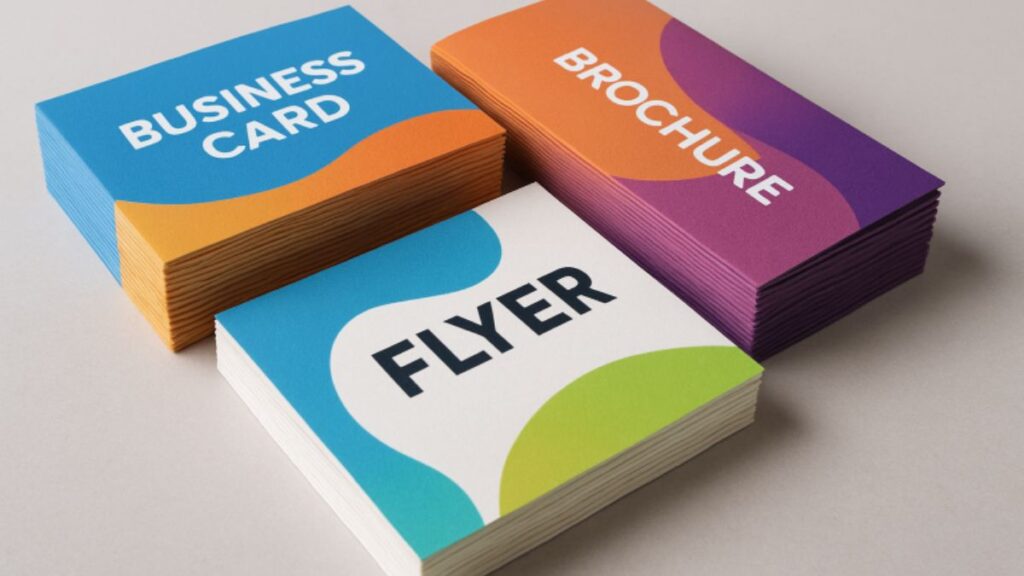
Brands compete fiercely for customer attention, so seemingly minor details often hold significant sway over perception and trust. One essential detail, frequently underestimated, is the quality of printed materials. Whether it’s a business card handed out at a meeting or a beautifully detailed product brochure mailed to a potential customer, every tactile impression matters. Companies that prioritize professional print standards can send a powerful message about their reliability and market standing. For Chicago-area businesses, MidAmerican Printing Systems exemplifies the importance of print quality by offering tailored solutions that help clients make the right impression from the start.
In a digital age, print stands out by offering impact and memorability. Quality print affects emotional response and brand credibility. A sturdy card or smooth flyer shapes judgments before reading, influencing trust and engagement. Research shows impressions form quickly, through sensory and material quality. Paper, clarity, and finish reflect your brand’s values and professionalism. Print complements digital marketing by creating tangible, memorable connections. As digital noise rises, high-quality print demonstrates brand care and investment.
First Impressions Matter
First impressions are crucial, and for many customers, branded print materials are the introduction to your business. A business card or direct mail piece is often the first tangible interaction they have. Quality print materials express a commitment to excellence and professionalism. When a recipient feels high-grade card stock or sees colors reproduced brilliantly, they are more likely to associate your brand with quality. In contrast, a flimsy or misprinted brochure can cause potential clients to question your reliability before any real conversation takes place. According to a Forbes feature, first interactions lay the foundation for brand judgment and can set the stage for all future dealings.
Building Trust Through Tactile Experience
The physical qualities of print create a depth and sense of trust unattainable through screens alone. Premium textures, embossing, and advanced finishes evoke feelings of credibility and dependability. Imagine picking up a catalog with a soft-touch finish or opening a notecard with a precise embossed logo; these subtle cues foster belief in the brand’s stability and attention to detail. Luxury brands, in particular, rely heavily on top-tier print quality to reinforce exclusivity and trust. Recent analysis confirms that specialized finishes and paper choices increase perceived value and ensure lasting impressions.
Consistency Is Key
Consistency across all consumer touchpoints is vital for cementing a cohesive brand identity. This is especially true for print, where mismatched colors, fonts, or logo distortions can quickly erode trust. When a business card and a presentation packet perfectly match, and each reflects the brand’s color palette with precision, confidence in the brand grows. However, inconsistency in print can signal poor management or a lack of brand control. Research indicates that consistent brand presentation across all platforms can increase revenue by up to 23%, demonstrating that attention to visual coherence in everything from packaging to point-of-sale displays pays off.
Enhancing Brand Recall
Print marketing is effective for memory retention. Because print materials are physically handled, they activate more sensory pathways, making information easier to recall compared to digital ads. Printed content, like mailers or catalog pages, offers extended exposure, as people tend to keep well-designed pieces as references, further solidifying your brand in their minds. According to a study in the Harvard Business Review, tangible materials hold attention longer and increase neural engagement, leading to higher brand recall.
The Hidden Costs of Poor Print Quality
Underinvesting in print quality might seem like a cost-saving measure, but it can have lasting negative effects. Cheap print jobs with streaks, fading, or misalignment cause stakeholders to question the quality of the business. When prospects or clients receive materials that look inexpensive or poorly made, they may unconsciously translate that perception to your products or services. The hidden costs surface as lost opportunities, diminished trust, or deals not closed due to doubt seeded by poor presentation.
Integrating Print and Digital Strategies
Blending print and digital media can amplify results and reach. Print builds a lasting impression, while digital tools provide actionable engagement and analytics. Campaigns that integrate QR codes, personalized URLs, or social media calls to action maximize reach and impact. Brands that unify their physical and digital branding achieve higher response rates and higher conversion rates than those using only one channel. This holistic approach meets audiences where they are, deepening engagement at every touchpoint. The New York Times recently explored how traditional print and new digital channels can complement each other for measurable growth.
Choosing the Right Printing Partner
Choosing a reputable printing partner ensures consistent quality, ongoing support, and the ability to handle custom requirements as your brand evolves. Look for vendors that prioritize color accuracy, offer a range of finishes, and use advanced technology to produce reliable results. Collaboration with experienced print professionals signals commitment to quality and fosters confidence both internally and with your customers. Clear communication, timely delivery, and attention to detail should be non-negotiable standards.
Conclusion
Print quality is a subtle but decisive factor shaping how customers view your brand. Investing in top-tier print does more than beautify marketing collateral; it bolsters trust, establishes consistency, and enhances recall. In a world of fleeting digital impressions, the enduring presence of well-produced print can set your brand apart, making every client interaction memorable and trustworthy.