
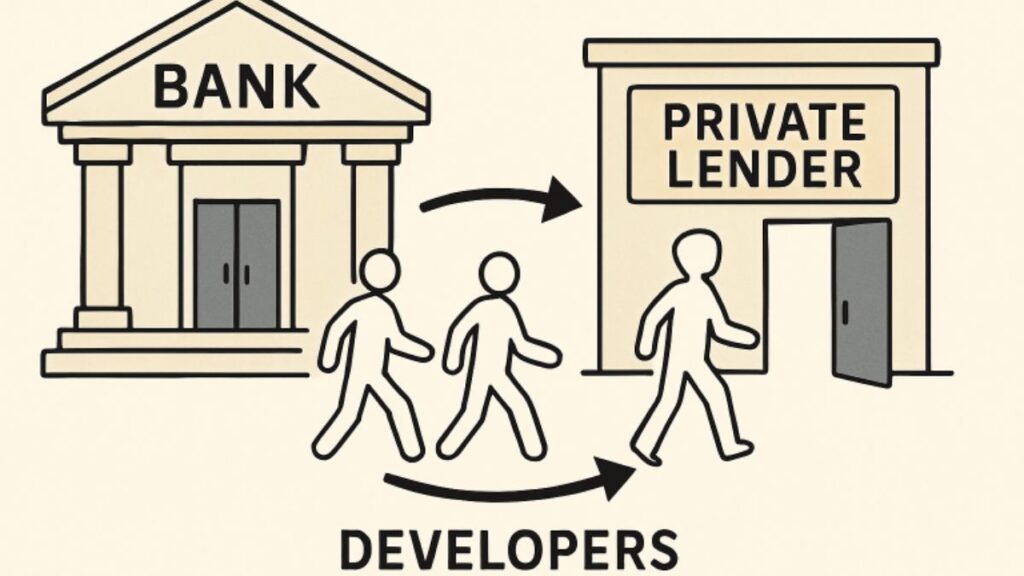
The Shift from Traditional to Private Lending
The commercial real estate finance landscape is undergoing a pivotal transformation as traditional lending channels, particularly large banks, are tightening their loan criteria. This trend has created a significant gap in the market for developers and investors seeking timely, reliable access to capital. As a result, Paragon Capital Management and other private lenders are stepping in to provide essential financing solutions that address the needs unmet by conventional institutions.
Unlike traditional banks, private lenders can often bypass rigid underwriting standards, making their options more viable for projects that fall outside standard risk parameters. This dynamic has proved especially valuable in markets experiencing rapid shifts or uncertainty, where swift action is crucial. The entrance of private lenders not only brings in needed funds but also introduces a new level of flexibility and creativity to deal structuring in commercial real estate.
As regulatory requirements on banks remain stringent and economic cycles continue to create market volatility, the importance of private capital cannot be overstated. Private lending offers a lifeline for developers who need more creative or rapid financial solutions than banks can provide. This shift is accelerating innovation and competition across the sector, forcing all lenders to rethink their approach to project assessment and risk tolerance.
Why Private Lending Is Gaining Traction
Several core drivers have propelled the popularity of private lending in commercial real estate finance. The most prominent is the flexibility that private lenders offer in transaction structuring. Unlike the formulaic approach used by banks, private groups can tailor loan terms, repayment schedules, and collateral arrangements to suit single projects. This customized approach can make the difference for projects that do not fit neatly into bank lending guidelines.
- Flexibility: Private lenders are renowned for structuring creative, deal-specific loans. This adaptability enables sponsors to address unique project challenges, meet complex timelines, or bridge short-term capital needs while awaiting more permanent financing solutions.
- Speed: The timeline from application to funding with private lenders is substantially shorter than with banks, often taking as little as a few weeks. For developers and investors, this nimbleness frequently determines whether a project succeeds or misses out due to market timing.
- Risk Appetite: Private lenders often possess a higher tolerance for risk than traditional lenders. They may consider asset classes, locations, or borrower situations that banks simply will not touch, such as ground-up construction, heavy value-add, or transitional projects in emerging markets.
Benefits of Private Lending in CRE
The strategic advantages of leveraging private lending solutions extend beyond just closing deals quickly. These benefits shape competitive outcomes in crowded markets.
- Customized Financing: Financing packages are tailored to the unique requirements of each project, helping developers manage periods of uncertain cash flow, renovation cycles, or other business plan milestones.
- Access to Capital: Private lenders are often willing to finance deals that would otherwise remain out of reach for many sponsors due to unconventional property types, heightened perceived risks, or borrower credit profiles.
- Competitive Edge: Investors can move decisively, securing assets or starting construction while competitors remain bogged down in lengthy bank approval processes.
Potential Risks and Considerations
While private lending delivers clear advantages, it is essential to recognize and mitigate associated risks before entering into any arrangement. Borrowers should be mindful of the following key factors:
- Higher Interest Rates: Because private lenders assume greater risk and often provide expedited funding, their loans typically carry higher interest rates. Borrowers must ensure that project returns can support this additional expense while maintaining profitability.
- Shorter Loan Terms: Loans from private sources often have shorter maturities than traditional bank loans, sometimes as short as 12 to 36 months. Developers must plan carefully to refinance or repay on schedule in order to avoid default or penalty fees.
- Due Diligence: Scrutiny extends in both directions in private lending. Borrowers should thoroughly vet their lenders to ensure they have reliable sources of capital, solid reputations, and clear, transparent loan documents.
The importance of proper due diligence and risk assessment is extensively outlined in reports by The Wall Street Journal, which highlight the need for both lenders and borrowers to adapt to new market conditions.
Real-Life Example: Private Lending in Action
Consider a scenario in which a developer identifies a historic downtown property with potential for redevelopment into a boutique hotel. Traditional banks hesitate, citing concerns about the complexity of adaptive reuse and forecasted revenue streams. A private lender, on the other hand, can look past the rigid constraints that bind banks. Recognizing the developer’s vision, experience, and property value, the lender offers a customized financial solution enabling the acquisition and renovation to move forward.
Through this tailored partnership, the developer secures capital quickly and sets the project in motion. By the time the bank reached a lending decision, the project would already be underway, and potential returns would be protected from further market fluctuations.
Final Thoughts
Private lending is rapidly becoming an indispensable tool for commercial real estate professionals. Its influence can be felt at every stage of project development, from acquisition and renovation to stabilization and disposition. By delivering fast, flexible, and innovative solutions, private lenders provide critical support when banks fall short. However, it is imperative for developers and investors to balance these immediate advantages against the realities of higher costs and more intense project timelines, prioritizing thorough due diligence in every financing decision. As industry dynamics continue to evolve, those who can successfully leverage private capital while managing risk will be best positioned for long-term growth and success in commercial real estate.