
Understanding Geofencing in Digital Advertising
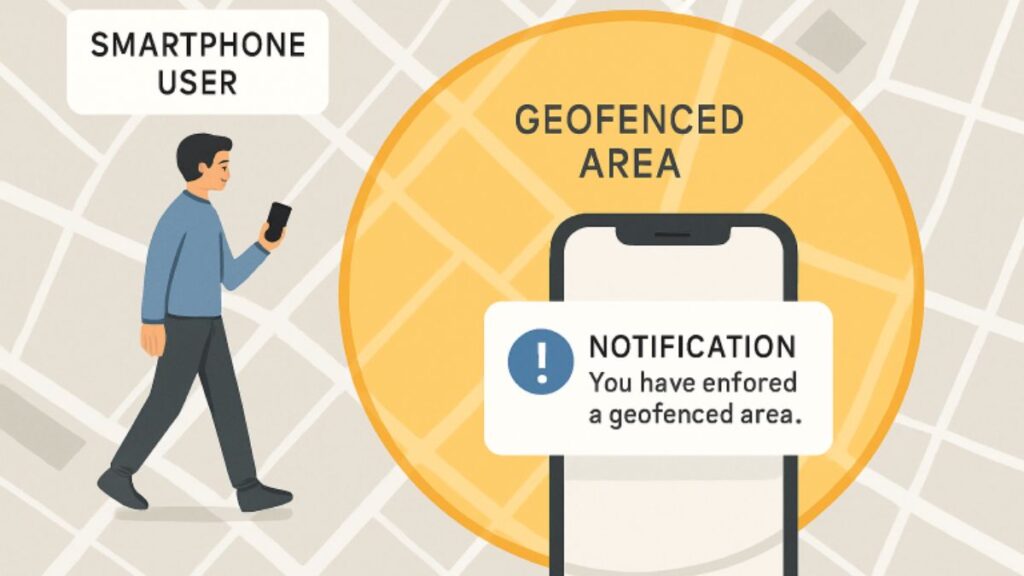
The evolution of digital marketing strategies has led to innovative solutions that connect brands with consumers in more meaningful ways. Among these innovations, geofencing stands out for its ability to precisely target audiences based on real-time location data. By establishing virtual perimeters around specific geographic areas, businesses can send targeted offers and personalized ads to consumers as they enter or exit a defined zone. This approach enables marketers to capture attention at the optimal moment, boosting the effectiveness of their campaigns.
As mobile device usage continues to rise, brands are increasingly tapping into geofencing strategies for multi-location businesses to deliver location-aware messaging that feels relevant and timely. These strategies mesh seamlessly with other digital marketing tools, helping organizations create cohesive campaigns that resonate with local consumers and improve conversion rates.
Geofencing technology relies on GPS, Wi-Fi, RFID, and cellular data to establish digital boundaries and detect device presence. When a customer’s mobile device crosses into a predefined region, the system automatically triggers a marketing message or special offer. This immediacy not only drives engagement but also encourages customers to act while they are in proximity to a physical location.
For example, a retail store might promote a flash sale to shoppers who walk by, or an event organizer could remind attendees about activities as they approach the venue. This high level of contextual relevance leads to stronger connections between brands and consumers, giving marketers a distinct edge in crowded marketplaces. Research by Forbes highlights geofencing’s growing impact on consumer behavior and strategic digital advertising.
Enhancing Customer Engagement Through Location-Based Targeting
Personalization has become a cornerstone of successful marketing, and geofencing takes this concept to the next level by aligning messages with precise geographic triggers. Brands can engage potential customers by delivering timely incentives, such as discount codes or exclusive product announcements, when they are most likely to take action. For instance, a coffee shop can notify a passing customer about a special offer, prompting them to come in and make a purchase. The contextual, real-time nature of these interactions increases engagement rates and positively shapes the customer’s perception of the business.
Integration of AI and Machine Learning
The combination of geofencing and artificial intelligence allows for even more refined targeting. AI algorithms process vast volumes of location data to identify consumer behavioral patterns and preferences. This ability to sift through data at scale empowers marketers to deliver promotions that match individual interests and anticipate future behaviors. Incorporating machine learning enables marketers to assess which messages yield the highest conversions and adjust campaigns on the fly for optimal results. According to Forbes, the pairing of AI and location data is rapidly advancing the sophistication and ROI of mobile marketing campaigns.
Applications Across Various Industries
Geofencing’s versatility has unlocked new possibilities in numerous fields, including retail, hospitality, healthcare, real estate, and public safety. Retailers use geofencing to measure foot traffic from mobile campaigns, while restaurants and cafés create loyalty rewards triggered by location visits. Healthcare providers can send timely appointment reminders to patients as they approach clinics, and public safety officials can use geofencing to send emergency alerts in vulnerable zones. As more businesses understand its applications, geofencing is becoming an indispensable tool for boosting efficiency and enhancing user experiences.
Measuring the Impact of Geofencing Campaigns
One of the significant advantages of geofencing is its robust analytics capability. Brands can directly connect digital interactions, such as mobile ad clicks or app engagements, with physical-world outcomes, such as store visits, downloads, or purchases. This yields clear, actionable insights into how advertising efforts influence consumer behavior offline. Detailed reports reveal which geofenced areas perform best, allowing businesses to fine-tune their target zones and creative strategies for maximum ROI. These metrics bridge the gap between online engagement and in-person outcomes, offering a more complete picture of campaign performance.
Challenges and Considerations
Although geofencing offers powerful marketing and operational advantages, it also raises significant concerns regarding privacy, data security, and user consent. Businesses must clearly inform users about how their location data is collected, stored, and utilized to avoid misunderstandings and build trust. Compliance with regulations such as GDPR and CCPA is essential to ensure lawful data handling and protect consumer rights. Transparent policies and opt-in mechanisms strengthen credibility while reducing legal risks. In addition, technical challenges like inconsistent signal accuracy in crowded urban areas and increased battery consumption can impact performance. Careful planning and system optimization are necessary to maintain effectiveness without compromising user experience or privacy.
Future Trends in Geofencing Technology
The future of geofencing points to even more sophisticated and integrated solutions. Advancements in AI, 5G connectivity, and multi-sensor fusion promise greater accuracy in defining and detecting geozones. Emerging trends include context-aware marketing, in which systems factor in not just location but factors like weather, time of day, and user activity to craft highly personalized messages. As more organizations embrace omnichannel marketing, the seamless interplay between physical and digital touchpoints will make geofencing a cornerstone of next-generation advertising strategies.
In summary, geofencing technology is transforming digital advertising by enabling brands to deliver highly targeted messages based on a user’s real-time location. This precision approach ensures that promotions, offers, and content reach audiences exactly when they are near relevant businesses or events, increasing engagement and conversion rates. As the technology advances, it will further enhance data-driven marketing strategies by integrating location insights with consumer behavior analytics. Ultimately, geofencing strengthens the connection between physical spaces and digital experiences, creating more personalized and impactful marketing campaigns.