Introduction
Interior design is constantly evolving, yet certain themes endure. These trends seamlessly combine style, comfort, and practicality, helping people create spaces that reflect their personalities while remaining functional. Modern homeowners and design enthusiasts are seeking inspiration from creative sources such as Studio Thomas, creating spaces that blend long-lasting beauty with everyday comfort.
The choices people make in home design today show a preference for layered textures, earthy materials, and personal storytelling. This shift is as much about wellness and mindful living as it is about aesthetics. The design ideas described here continue to influence homes everywhere, proving their appeal with every new season.
Rich, Dramatic Color Palettes
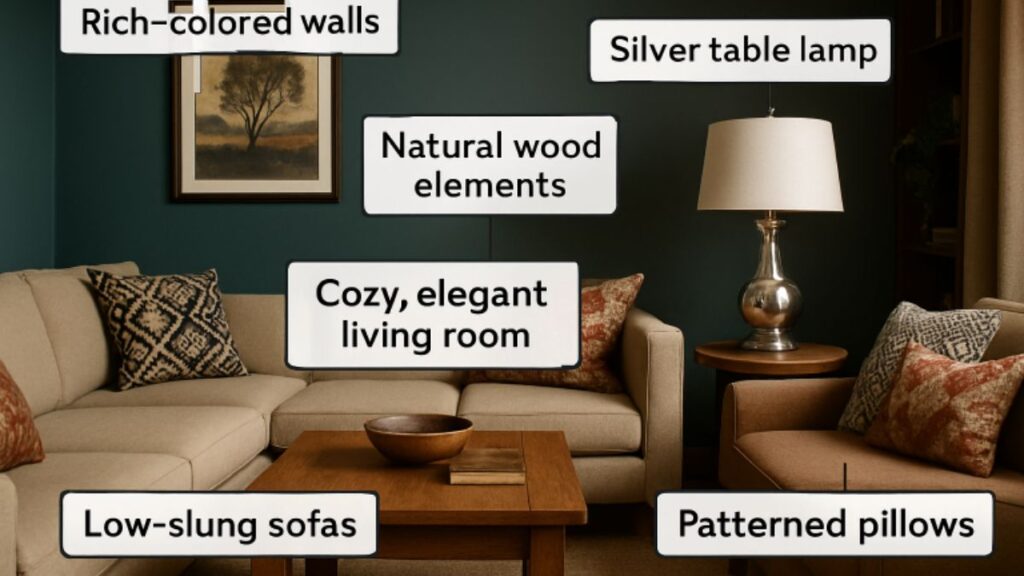
Color trends are experiencing a bold revival. Gone are the days when muted greys and whites dominated home interiors. People are now gravitating toward richer hues like burgundy, navy, and moss green. These colors are appearing not only on walls but also in accent furniture, textiles, and accessories. The deeper tones bring warmth and coziness, adding visual interest and sophistication to even the smallest rooms.
Paired with neutral shades such as taupe and soft beige, these powerful colors help ground a space while still allowing for playful, expressive combinations. According to experts at Architectural Digest, these inviting palettes create spaces that feel both comforting and refined, offering escape from hectic daily life.
Embracing Silver Accents
Metallic finishes never truly go out of style, but the focus is shifting from warmer tones like gold and brass to sleeker silver. Silver accents bring a cool elegance that suits a variety of interior styles, from mid-century modern to contemporary urban spaces. This finish also plays well with a wide spectrum of colors and materials, making it easy to adapt as tastes evolve.
Silver appears in the form of light fixtures, decorative trays, picture frames, and hardware throughout the home. As a softer metallic, it captures light beautifully without overpowering other elements. Interior designers celebrate this trend for its ability to refresh traditional looks and add a layer of understated luxury to minimalist spaces. As noted by Homes & Gardens, silver’s subtle shine complements layered, inviting spaces and blends naturally with warm textures and traditional design elements.
Revival of Natural Materials
More homeowners are recognizing the value of incorporating organic materials like rattan, wicker, and unfinished woods. These elements bring a tactile, natural quality to interiors, making rooms feel inviting and timeless. Rattan chairs, wicker baskets, and raw-wood tables are not just decorative; they evoke a connection to nature and a slower pace of life.
The increased use of natural fibers and handwoven pieces also reflects a growing interest in sustainability. Bringing these materials into a home can improve both the look and the feel of a space, grounding it in warmth and authentic craftsmanship.
Low-Slung Furniture for Relaxed Living
Comfort is front and center in current interior design priorities. Low-slung, deeply cushioned sofas and armchairs are surging in popularity, providing a grounded, inviting feel that is perfect for families and for relaxation. In open floor plans, these pieces help create defined zones for conversation or reading without disrupting visual flow.
Complementing this trend are plush area rugs, oversized throw pillows, and flexible lighting arrangements. The overall effect? An atmosphere that encourages downtime and leisurely moments, in line with a larger movement toward wellness-centered environments.
Shift Towards Sustainable and Quality Pieces
Fast furniture is losing ground to thoughtful investments in well-crafted pieces that stand the test of time. Consumers want to know where their furnishings come from and how they are made. As a result, vintage finds, handmade artisan pieces, and sustainably sourced items are more coveted than ever.
This shift supports both environmental responsibility and individual style. By focusing on quality and storytelling, people can curate homes that grow increasingly meaningful over the years. Large publications routinely showcase homes where meaningful pieces shape the entire aesthetic.
Incorporating Patterned Textiles
Historically inspired patterns are resurfacing in both small accents and bold statements throughout the home. Block-printed curtains, hand-loomed rugs, and antique-style florals lend a romantic, lived-in feel to modern spaces. Mixed together with contemporary patterns and textures, these textiles add an element of playfulness and nostalgia.
The key is thoughtful layering: pairing large-scale prints with smaller motifs can achieve a visually harmonious effect. This allows decorators to personalize each area, weaving family history and global influences into their surroundings.
Curated Maximalism
The minimalist movement has made room for a more expressive style known as curated maximalism. This approach celebrates decorative layering, from colorful art collections to eclectic bookcases brimming with mementos. The emphasis is on intentional combinations; each item tells a story, and nothing feels accidental or cluttered.
Achieving balance in maximalist spaces is essential. By limiting the color palette or focusing on a specific theme, designers create rooms that feel cohesive and emotionally resonant, rather than chaotic.
Final Thoughts
The most resilient interior design trends are those that merge beauty, functionality, and emotional significance. Whether through dramatic color, reclaimed materials, or cherished collections, these lasting styles invite personal expression and comfort. Embracing these trends enables homeowners to create spaces that remain welcoming and inspiring for years to come.