
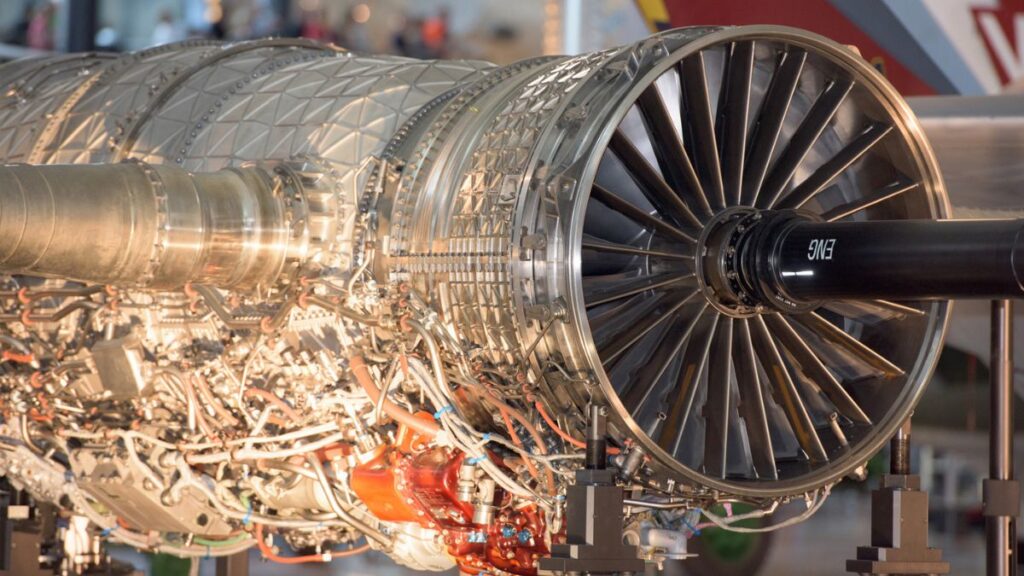
Precision fasteners are the unsung heroes of the aerospace industry, anchoring every piece of technology that allows aircraft to soar safely through the skies. While invisible to most travelers, these small components underpin the safety, performance, and reliability of modern aviation. From holding together fuselage panels to securing engine components, their importance cannot be overstated. Within this realm, aircraft rivets are foundational products, prized for providing structurally sound and durable fastening solutions that meet the extreme requirements of flight.
The demands on aerospace fasteners go far beyond standard hardware. They must withstand the roar of an engine, pressure shifts at cruising altitudes, and extreme temperature changes, all while maintaining a precise fit that prevents catastrophic failures. As technology and materials advance, so too does the need for innovation in fastener design and production. Those who supply and utilize precision fasteners face the constant task of keeping up with evolving aerospace engineering standards and growing market needs.
Importance of Precision Fasteners
Precision fasteners serve as the backbone of aerospace engineering, providing the structural integrity required for flight. Every joint in an aircraft, from the cockpit canopy to the wings and tail assembly, depends on fasteners made to exacting tolerances. These components are often subjected to both static and dynamic loads, requiring them to resist not only everyday stress but also the potential ramifications of mechanical fatigue over time. Any flaw in design or manufacturing could have dramatic consequences, making thorough inspection and testing critical steps before these fasteners enter service. Moreover, the specialized requirements for aerospace hardware have led to stringent international standards. Organizations such as the Federal Aviation Administration and the European Union Aviation Safety Agency mandate comprehensive reviews and quality checks to ensure each fastener performs its role without fail. Ongoing improvements in certification processes and digital traceability help manufacturers adhere to these standards and deliver reliable, high-quality components.
Materials Used in Aerospace Fasteners
The relentless pursuit of efficiency and safety in aerospace has driven the choice of materials for fastener construction. Among the most commonly used are:
- Titanium Alloys: Lightweight and highly resistant to both fatigue and corrosion, titanium alloys reduce overall aircraft weight, which translates to improved fuel efficiency and long-term durability.
- Stainless Steel: Valued for its strength and resistance to oxidation, stainless steel is a mainstay in many structural and non-structural applications within aircraft.
- Aluminum Alloys: Lightweight, cost-effective, and easy to shape, aluminum fasteners are favored for less stress-intensive uses, aiding in the constant push to cut down aircraft mass further.
Choosing the right material often comes down to the component’s function, anticipated load conditions, and potential exposure to harmful elements, such as chloride-laden air or high-moisture environments. The selection process directly impacts not just durability and weight, but also ease of installation and maintenance schedules.
Manufacturing Processes
Delivering the level of precision required by aerospace fasteners relies on specialized manufacturing processes designed for accuracy, consistency, and reliability. Key methods include:
- CNC Machining: Modern computer numerical control (CNC) systems can turn, mill, and drill fasteners to incredibly tight tolerances. CNC processes also allow for the production of intricate designs required by next-generation aircraft.
- Cold Heading: By forming the shape of fastener heads from metal wire or rod at room temperatures, cold heading strengthens materials and reduces waste. This approach is particularly useful for high-volume production runs.
- Surface Treatments: Processes such as anodizing, zinc plating, or phosphate coating protect fasteners from corrosion and enhance their wear resistance, one of the vital properties for aerospace longevity.
Quality assurance is paramount at every stage, with extensive non-destructive testing and failure analysis measures designed to catch defects and discrepancies before fasteners are cleared for use in assembly lines or repairs.
Challenges in Fastener Production
The production of aerospace fasteners is fraught with unique obstacles. Strict quality control is required to comply with industry standards such as AS9100, adding several layers of oversight, paperwork, and time to the manufacturing process. The use of high-performance materials such as titanium and specialized stainless steels often increases material and machining costs, affecting pricing and supply chain reliability. Achieving the microscopic tolerances required further limits the number of capable manufacturers, concentrating production among highly specialized firms.
In addition, the need to innovate continually means that aerospace fastener suppliers must invest heavily in research and development. Reducing environmental impact, improving recyclability, and extending product lifespan through novel coatings or monitoring technology are major focus areas for the coming decade. Ongoing advancements in technology are changing the entire aerospace landscape, keeping pressure on component manufacturers to stay ahead of the curve.
Innovations in Fastener Technology
The aerospace sector is experiencing a surge of innovation in fastener technology. Among the notable advancements are:
- Smart Fasteners: Next-generation hardware with integrated sensors that can monitor load, stress, and even predict fatigue failures. These self-reporting features give engineers real-time data, helping prevent issues before they escalate.
- Advanced Coating Solutions: Recent breakthroughs in surface finishing technology are providing fasteners with better protection against rust and wear, lengthening service intervals, and lowering overall maintenance costs.
- 3D Printing (Additive Manufacturing): Rapid prototyping allows manufacturers to test new fastener designs without lengthy lead times, supporting customization and reducing development cycles.
Such cutting-edge developments are essential as manufacturers respond to the ever-increasing demands of lighter, stronger, and smarter aircraft components.
Market Trends and Growth
The aerospace fasteners market remains robust as passenger and cargo aircraft deliveries rise. A report by Grand View Research estimates the U.S. aerospace fasteners market at USD 2.49 billion in 2024 and projects growth to USD 4.70 billion by 2033, for a CAGR of 7.3 percent. This trajectory is powered by a worldwide focus on next-generation aircraft, which require ever more complex and reliable fasteners. Globally, estimates suggest the aerospace fasteners sector will grow from USD 7.4 billion in 2025 to USD 14.1 billion by 2035, buoyed by rising demand for lightweight, high-strength materials. The drive for sustainability and heightened fuel efficiency also underpins the push towards sophisticated fastening technologies.
Conclusion
Precision fasteners are fundamental to modern aviation, supporting not only the safety but also the future of flight. Continual advances in materials, processes, and technology ensure these components evolve in step with aerospace innovation, meeting the ever-tightening standards set by regulatory bodies and delivering exceptional reliability with every takeoff and landing.