Understanding Chimney Liners
When considering the long-term safety of your home’s heating system, understanding the function of chimney liners is crucial. A chimney liner is a specially designed barrier installed inside your chimney flue. Its purpose is to act as a shield, protecting both your home and its residents from hazardous conditions that can arise when burning wood, oil, or gas. In short, chimney liners are not optional in most homes, they are a core part of maintaining safety and efficiency. If you live in the area and want guidance on the best options, visit chimney liner Danbury CT for expert local advice.
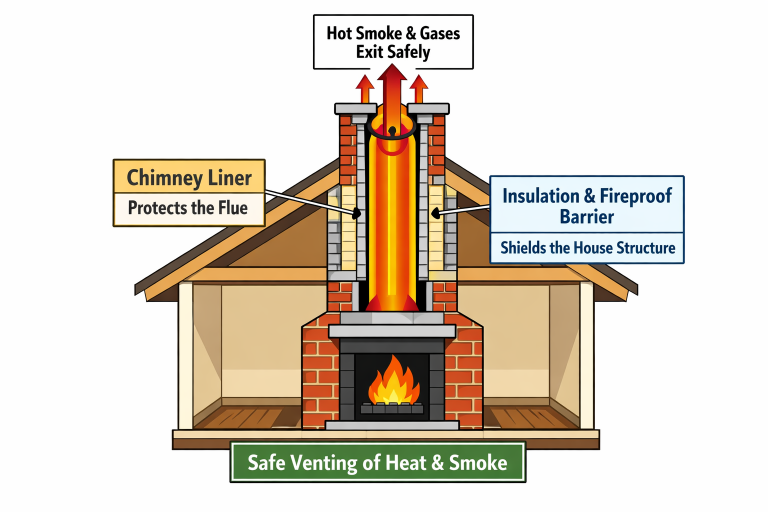
Chimney liners are crucial for maintaining the safety and efficiency of chimneys by serving multiple functions. They protect the chimney’s structure from high combustion temperatures, prevent flue gases from entering living spaces, and enhance the combustion process by optimizing draft, leading to a cleaner burn. Liners can be made from materials such as clay, metal, or concrete, each with specific advantages and disadvantages. Acting as a protective barrier, chimney liners facilitate the safe venting of heat, soot, creosote, and gases, thereby extending the lifespan of the chimney and shielding occupants from harmful substances like carbon monoxide. The U.S. Consumer Product Safety Commission emphasizes the importance of proper venting and regular chimney inspections to avert the risks of fires and gas leaks in homes.
Why Chimney Liners Are Essential
Installing a chimney liner offers three major benefits: fire prevention, protection from toxic gases, and preservation of the chimney’s structure. Liners are specifically designed to ensure that flames and extremely hot gases generated during combustion do not come into direct contact with wooden framing or other combustible building materials surrounding your chimney. This is particularly important, as heat transfer can cause unprotected structures to catch fire, even during normal fireplace use.
Another crucial benefit is preventing carbon monoxide and other toxic gases from leaking into your home. Without a properly functioning liner, gases can seep through cracks and gaps in an old or damaged chimney. Over time, acids in these gases can also erode the masonry or metal structure, leading to widespread deterioration and safety hazards.
The National Fire Protection Association notes that “Chimney liners protect the home and family from dangerous gases and overheating, and can improve energy efficiency for modern heating appliances.” Regular professional inspections are essential to identifying any damage or defects before they become serious issues.
Signs You May Need a Chimney Liner
Not all chimneys require a liner, particularly in older buildings; however, certain warning signs merit consideration of one. Indicators include smoke infiltration into adjacent rooms, wall and ceiling stains, and discoloration, which may signify flue gas leaks. Additionally, observations of condensation, tar, or oily residues on the chimney or within the firebox can suggest inadequate ventilation or insulation. Renovations or installations of new heating systems, such as stoves or boilers, often necessitate flue modifications. A new appliance may require a liner of specific dimensions or materials, particularly if the existing chimney flue is excessively large, damaged, or cracked. In such cases, installing or replacing a chimney liner is essential to restoring safe, efficient chimney operation.
Types of Chimney Liners
Choosing the right chimney liner depends on your heating appliance, the age and shape of your chimney, and your budget. The three main types to consider are clay tile, metal, and poured-in-place concrete liners.
- Clay Tile Liners: Economical and long-lasting, but vulnerable to cracking and damage if exposed to rapid temperature changes.
- Metal Liners: Typically made of stainless steel or aluminum, metal liners offer durability and compatibility with wood, oil, or gas heating systems.
- Poured-In-Place Liners: Modern concrete liners are ideal for older chimneys and provide a seamless, insulated surface resistant to heat and corrosive gases.
Installation and Maintenance
Installing a chimney liner is a precise process that needs professional skills to ensure a perfect fit and peak performance. To remain effective, liners must meet current building codes and manufacturer specifications for your specific appliance. Annual inspections and chimney sweeps are recommended by both the Chimney Safety Institute of America and the National Fire Protection Association. Ignoring routine maintenance puts your home at risk for chimney fires, costly repairs, or carbon monoxide poisoning.
Cost Considerations
The price of installing a new chimney liner varies widely based on size, type, and installation complexity. Most homeowners can expect to pay between $1,500 and $3,000, which includes materials and labor. While this may seem expensive, a properly installed liner can prevent much more costly structural damage, extend your chimney’s lifespan, and protect your family from serious health and safety hazards.
Conclusion
Whether you are dealing with an aging chimney or upgrading your home’s heating appliances, a well-chosen and properly installed chimney liner offers peace of mind and ensures compliance with modern safety standards. To determine the exact needs of your chimney, work with a certified chimney contractor for a thorough inspection. Prioritizing a safe, efficient chimney system ultimately protects your home, your health, and your investment.