
Why Professional Cleanings Matter
Routine brushing and flossing are essential steps in maintaining your oral health. However, plaque and tartar can build up in areas that are hard to reach, even with the most diligent home care. Professional teeth cleaning, often performed by dental hygienists, is designed to remove these stubborn deposits and tackle issues before they escalate. For a professional perspective on maintaining a healthy smile, you can explore the resources at dentistsofhinsdalelake.com.
Cleanings not only refresh your breath and brighten your teeth, but they are also crucial for preventing gum disease and tooth decay. The American Dental Association recommends that everyone receive regular dental cleanings as part of a preventative care regimen. These visits also allow your dentist to examine your mouth for early warning signs of oral health problems such as cavities, gum inflammation, or even oral cancer.
What to Expect During a Cleaning
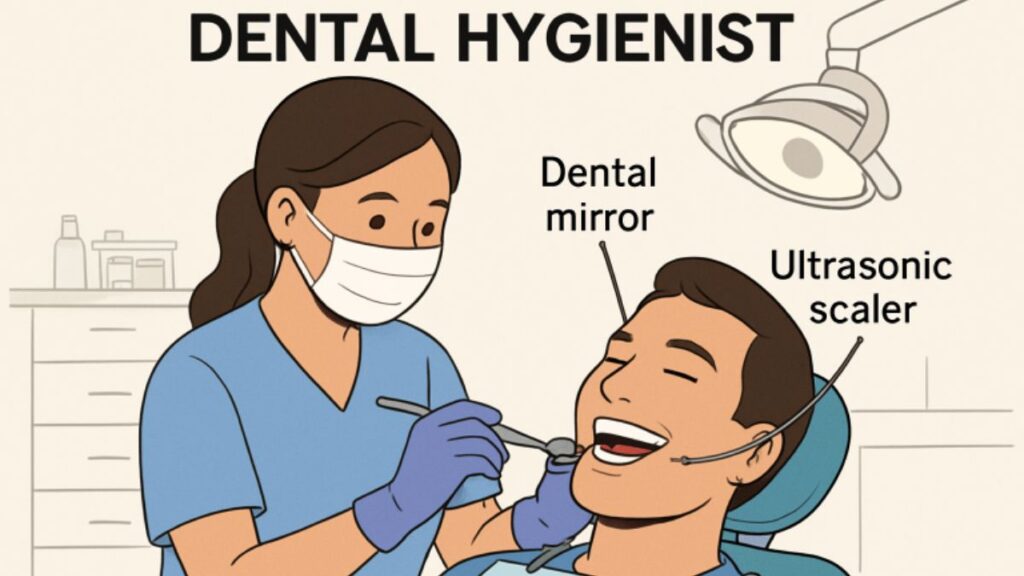
Many people feel anxious about dental visits. Understanding the process can help ease these concerns. At a routine dental cleaning, your hygienist will begin by performing a comprehensive exam of your mouth. They may use a small mirror to check your teeth and gums for signs of inflammation or decay before starting the cleaning process.
Next, specialized tools are used to remove plaque and tartar from the teeth and below the gumline. This process, called scaling, is followed by gentle polishing to remove surface stains. Your cleaning will usually finish with a professional flossing and, in some cases, a fluoride treatment to strengthen your teeth and help prevent future decay.
Benefits of Regular Cleanings
Consistent professional teeth cleanings provide multiple benefits that go beyond aesthetics. They help prevent cavities, reduce the risk of gum disease, and support fresh breath. Research shared by the Mayo Clinic highlights the link between oral health and overall health. Untreated gum disease has been connected to a heightened risk of other health issues, including heart disease and diabetes, demonstrating why cleaning appointments matter so much for your well-being.
How Often Should You Go?
The general recommendation for most people is to visit the dentist for a cleaning every six months. However, individual needs may vary. Those with specific needs—such as a history of gum disease, heavy tartar buildup, or underlying health conditions—may need to visit more frequently. Your dentist can advise you on the schedule that provides the best protection for your smile.
Professional vs. At-Home Care
At-home oral hygiene serves as the first line of defense against cavities and gum disease. Brushing with fluoride toothpaste twice a day, daily flossing, and limiting sugary snacks are foundational habits. Still, even the most effective home care cannot reach every surface or remove all plaque. That is where professional cleanings come in: hygienists use specialized instruments to clear away tartar, clean below the gumline, and detect problems early, which cannot be achieved with at-home tools alone.
For those seeking information on how dental professionals keep up with the latest procedures and recommendations, the Centers for Disease Control and Prevention (CDC) offers a wealth of science-backed dental advice and guidelines on maintaining oral health for all age groups.
Tips for Optimizing Oral Health
1. Be Consistent with Daily Routines
Brush your teeth twice a day for two minutes, floss daily, and use an antimicrobial mouthwash if recommended by your dentist.
2. Pay Attention to Diet
Reduce your consumption of sugary snacks and acidic beverages. Focus on fresh fruits, vegetables, and dairy to provide your teeth with the nutrients they need.
3. Avoid Harmful Habits
Chewing hard objects, smoking, or using your teeth as tools can damage enamel and increase the risk of dental problems.
4. Use the Right Products
Always choose a toothbrush with soft bristles and replace it every three to four months. For extra protection, use a fluoride toothpaste and talk to your dentist about the best options for your needs.
5. Visit Your Dentist Regularly
Do not skip or postpone dental visits. Regular checkups and cleanings are essential for catching potential issues early and keeping your teeth and gums healthy.
Conclusion
Professional teeth cleaning does much more than polish your smile. It is a key preventive measure, safeguards against serious oral health problems, and can even protect your overall well-being. By combining effective daily care with regular dental cleanings, you are investing in the long-term vitality of your teeth and gums.