
New flooring can completely transform your home, adding value, comfort, and fresh style. However, to ensure a seamless, problem-free transition, it is crucial to thoughtfully prepare each space for installation. With some up-front planning and guidance from trusted professionals like Knots Flooring, you’ll set the stage for a successful remodeling project and enjoy lasting results.
Proper preparation not only streamlines the installation process but also safeguards your new materials, helps maintain a clean home, and minimizes disruptions for everyone living in your house. By following a comprehensive plan, you protect your investment and make the experience easier for both your family and the installation team.
Clear the Installation Area
Start by removing everything from the space receiving new flooring. Move furniture, lamps, area rugs, toys, and any personal belongings out of the way. Not only does this provide clear, safe access for installers, but it also prevents your items from being exposed to dust, adhesives, and accidental damage. Be sure to remove wall art and drapes from the floor, as these items are especially at risk during installation.
Inspect and Prepare the Subfloor
A smooth, level subfloor is essential for the durability and appearance of new flooring. Check for cracked concrete, squeaky wood, or any other signs of underlying problems. Moisture in the subfloor can cause long-term issues, such as warping or mold growth, undermining your investment. Take the time to address any repairs before installation day. Homeowners can consult this trusted guide on floor leveling for added details on preparation techniques and troubleshooting common subfloor concerns.
Acclimate Flooring Materials
Especially for hardwood, laminate, or engineered wood products, floors must be left to acclimate in your home before installation. Place unopened flooring packages in the room where they will be laid for at least 48 hours. This gives materials time to adjust to indoor temperature and humidity, reducing the risk of future expansion or contraction. Following this simple step goes a long way in preventing gaps or buckling later.
Plan for Door and Trim Adjustments
Installing new flooring can change the height of your floors. This might require shaving down doors or altering baseboards so they do not scrape or catch on raised surfaces. Consider discussing these potential changes with your installer in advance. Planning ahead prevents mid-project surprises and ensures all finish details look intentional and polished.
Ensure Proper Environmental Conditions
Maintaining a stable indoor climate during installation is very important. Ideal temperatures usually range between 60 and 80 degrees Fahrenheit, and humidity should be kept below 50 percent. This helps adhesives and finishes cure properly and minimizes the risk of warping or buckling.
Set Up a Cutting Area
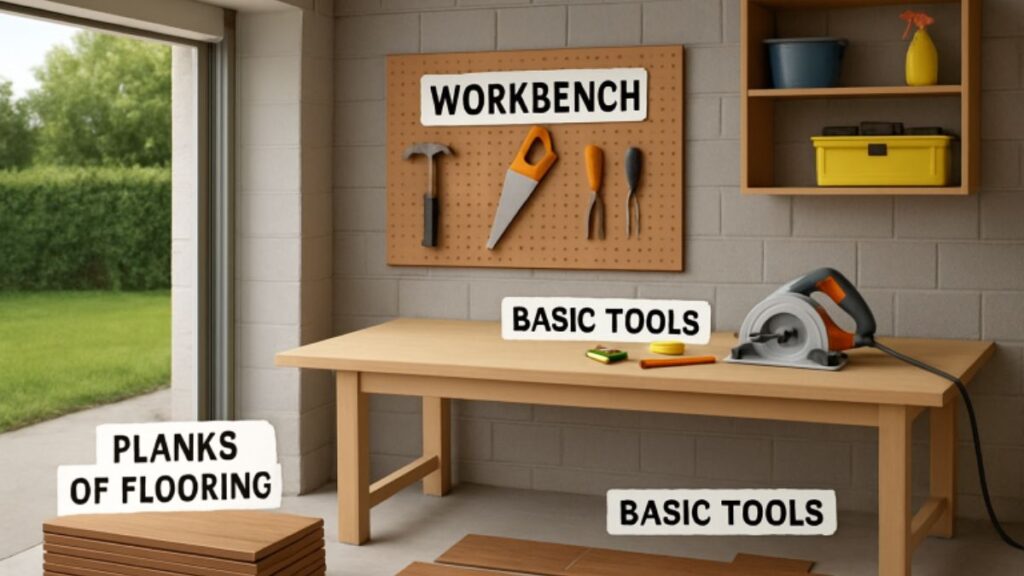
The installation process generates sawdust, loose scraps, and plenty of noise. If possible, set aside an outdoor area, garage, or nearby space where floor materials can be measured and cut. This keeps dust from reaching your main living spaces and provides a safer workspace for installers. Good lighting and a nearby power supply are ideal for keeping the project efficient and tidy.
Communicate with Household Members
Let everyone in the house know when and where the installation will occur. Make sure children and pets are kept away from the work area for their own safety and to help crews work without disruption. If necessary, arrange for pets to stay offsite temporarily or to be confined to another room. Current clear communication fosters understanding and prevents unnecessary stress for everyone involved.
Plan for Waste Disposal
Even with careful installation, waste is unavoidable. Old flooring, offcuts, product packaging, and other debris will need to be removed. Consider whether you need to rent a dumpster or schedule a bulk pickup, and check your local guidelines for handling construction waste or recyclables. Timely, responsible disposal leaves your new floors ready for immediate enjoyment.
Final Thoughts
With thoughtful preparation, installing new flooring can be an efficient and rewarding home upgrade. The process involves more than simply laying new boards or tiles; by following each essential preparatory step, you safeguard your investment and ensure the finished result is as beautiful and durable as you envisioned. Taking the time to plan and coordinate with experts, such as Knots Flooring, helps reduce stress and delivers results your entire household will appreciate for years to come.