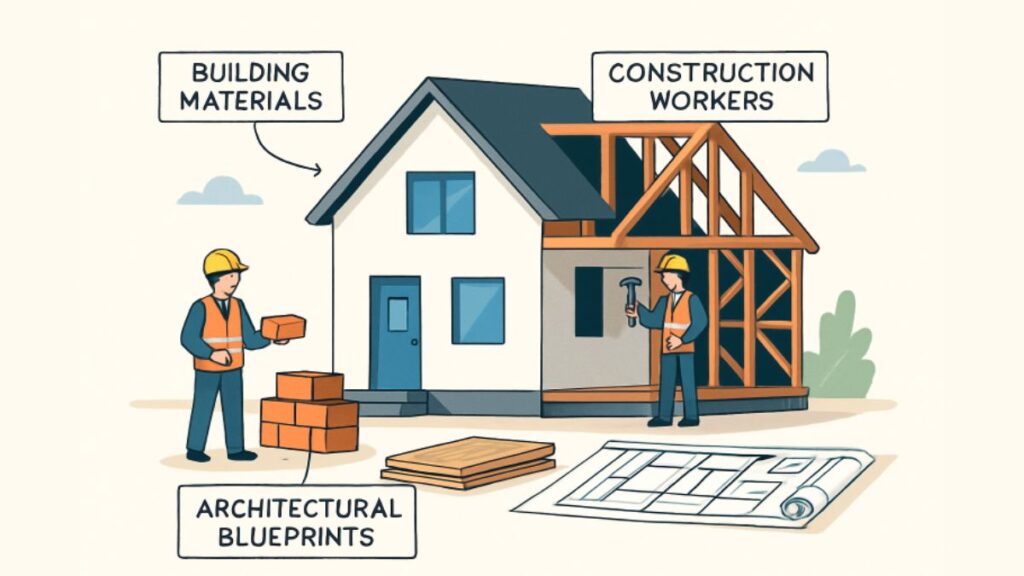
Embarking on the journey of building a modern home is both exciting and complex. Many homeowners find themselves navigating budgeting, design decisions, and construction challenges as they pursue their dream home. With a growing demand for new construction options that combine cutting-edge design and efficiency, it’s crucial to plan each phase carefully. Following a structured approach not only helps avoid common pitfalls but also brings long-term satisfaction with your completed project.
Whether you are starting your first build or upgrading to a custom residence, the right planning can significantly impact your home’s durability, energy performance, and comfort. This guide covers the most important steps, from establishing a budget and choosing a location to selecting materials and integrating the latest technology. Working with skilled professionals, staying organized, and prioritizing sustainable features can help you create a home that adapts to your lifestyle and stands out in a competitive housing market.
Homeowners can learn from the best practices established in both residential and commercial sectors. If you are interested in gaining broader insights into construction and project management, consider researching the roles of commercial construction companies and how their expertise translates into home-building excellence.
Establishing a Realistic Budget
Planning your budget is the most critical first step in a modern home-building project. Costs often include land acquisition, architectural design, engineering, construction labor, permits, site preparation, fixtures, finishes, and inspection fees. A prudent approach involves creating a spreadsheet that tracks all anticipated and discretionary expenses. Set aside a contingency fund—industry experts suggest at least 10 percent of your total budget—to address unforeseen issues. Having a clear financial framework ensures that project decisions align with your overall resources and expectations. According to Forbes Home, being realistic about budget limitations from the outset helps homeowners avoid costly missteps down the line.
Selecting the Right Location
Your new home’s location plays a vital role in shaping everyday living and protecting your investment’s long-term value. Consider the availability of good schools, healthcare, shopping, and recreation. Assess the neighborhood’s visual appeal, traffic flow, zoning restrictions, and proximity to workplaces or transit opportunities. You should also review geological surveys and flood risk maps provided by local authorities or resources like FEMA to ensure you are building on a safe site. Research on property values and growth projections can help you choose a location that aligns with your plans and lifestyle priorities.
Assembling Your Professional Team
A successful build depends on a well-coordinated team of experts. Key players include an architect, a builder, an interior designer, and a structural engineer. Research local professionals, review their prior projects, and check references to find individuals or firms who match your style and communication preferences. Make sure all team members are licensed and insured. Open collaboration is essential to produce cohesive designs and avoid project delays. During the selection process, prioritize experts who have experience with permits, sustainability practices, and the type of construction you have planned.
Designing with Practicality and Functionality
A home can look beautiful on paper, but may not feel comfortable or practical in daily life. Focus on efficient layouts that facilitate movement and maximize usable space. Ensure the design allows for ample natural light, ventilation, and storage. Work with your team to prioritize features that improve convenience, such as mudrooms, laundry spaces, and open kitchen-living areas. It is wise to request 3D renderings or walkthrough models at the planning stage to ensure every detail aligns with how you want to live. The American Institute of Architects offers guidance on functional and flexible home design that can stand the test of time.
Securing Necessary Permits and Approvals
No matter where you build, permits are necessary to comply with zoning laws, environmental codes, and safety regulations. Submit your design plans, engineering documents, and site maps to local planning boards for review. This process can take weeks or months, depending on the region and the project’s complexity, so start early. Engage your contractor in this phase, as they are usually familiar with local building codes and can address requests for additional documentation or plan adjustments. Skipping this essential step can result in costly work stoppages or even legal penalties.
Incorporating Sustainability and Smart Technology
Modern homebuyers increasingly prioritize sustainability and energy efficiency, which benefits both the environment and your household budget. Consider features such as energy-efficient windows, tankless water heaters, high-performance insulation, solar panels, and programmable thermostats. Smart home technology, including lighting controls and security systems, can also streamline daily routines and enhance security. The U.S. Department of Energy offers guidelines on eco-friendly building practices and the latest technologies. Plan for these elements early to optimize placement and integration.
Conducting Regular Site Inspections
Routine inspections are vital for identifying problems before they become costly. Review work at each phase with your builder, check for adherence to plans, and inquire about the quality of materials used. Keep a digital record of meetings and updates, and do not hesitate to bring questions and concerns to your contractor’s attention. An independent inspector can provide a valuable, objective review of the work, confirming that systems like plumbing, electrical, and HVAC are installed correctly and meet code requirements. Staying proactive helps ensure that your vision becomes a reality without surprises.
Choosing Quality Materials and Finishes
The selection of finishes and building materials significantly affects a home’s character, durability, and maintenance. Prioritize durable and safe options, such as engineered hardwoods and stone countertops, and consider locally sourced, eco-friendly materials. A balanced approach to aesthetics and cost may involve premium surfaces in high-use areas. Building a modern home requires careful planning, collaboration, and attention to detail to ensure sustainability and functionality while enhancing comfort and long-term value.
Conclusion
Building a modern home successfully requires careful planning, informed decision-making, and collaboration at every stage. From establishing a realistic budget and selecting the ideal location to assembling a skilled professional team, each step shapes the functionality, safety, and longevity of your home. Thoughtful design, quality materials, sustainability features, and smart technology enhance both daily living and long-term value. By securing necessary permits, conducting regular inspections, and prioritizing practical, durable finishes, homeowners can turn their vision into a well-executed, comfortable, and resilient living space.