
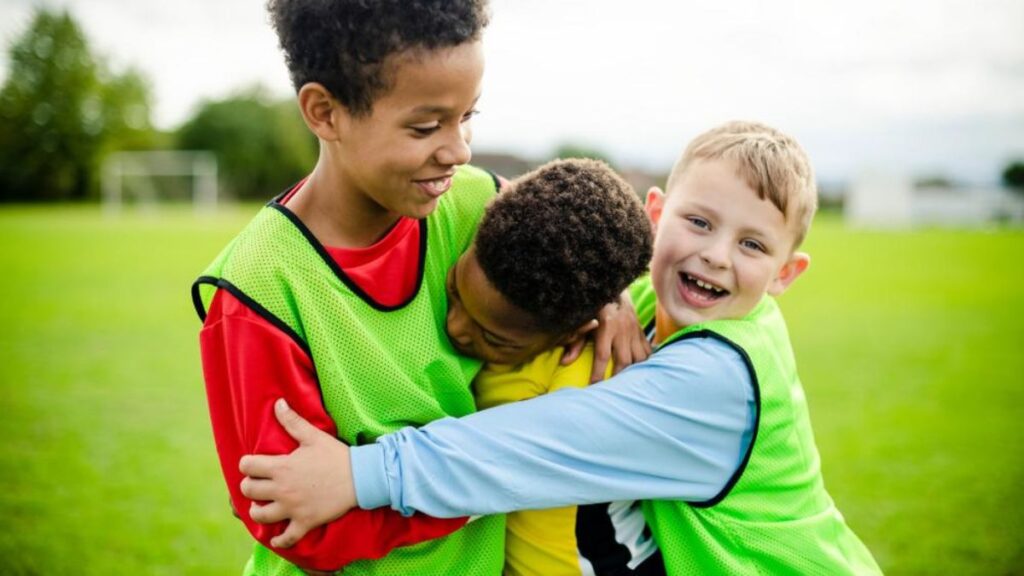
Team sports provide young people with a unique platform to acquire leadership skills that serve them both on and off the field. By participating in organized athletics such as soccer, basketball, and volleyball, youth are immersed in a dynamic environment where collaboration, problem-solving, and accountability are central to success. Training through programs like Illinois Attack gives players exposure to experienced coaches and challenging competition, helping hone these vital traits over time.
The structured nature of team sports allows young athletes to assume roles with responsibility, requiring communication and cooperation for achievement. These engagements contribute to personal development, shaping leaders who can manage stress, resolve conflict, and motivate others, skills critical throughout life. Parents and educators recognize that sports participation goes beyond honing physical ability, as it also strengthens character and emotional intelligence. In recent years, research has highlighted a correlation between youth athletic involvement and the emergence of strong leadership qualities in adulthood.
Teamwork and Collaboration
Learning to function as part of a team is foundational to leadership. Team sports require athletes to synchronize their efforts with others toward a shared objective. This fosters an understanding that individual talent is valuable, but coordinated group effort achieves the greatest results. Players must rely on each other’s strengths, adapt to differences, and provide constructive feedback. By cultivating this environment, youth become adept at building rapport, managing diverse personalities, and inspiring collective action. These are competencies that future leaders leverage to unite groups behind a common mission.
Communication Skills
Success in team sports depends largely on effective communication. Young athletes learn to articulate strategies during games, express needs or concerns, and encourage their peers. Whether on the court or in the locker room, clear communication can mean the difference between a cohesive team and a dysfunctional one. Moreover, sports teach both verbal and non-verbal communication. Nonverbal cues, such as hand signals and eye contact, play an essential role in rapid decision-making during play. Over time, these interactions enhance athletes’ capacity to present ideas clearly and listen actively, which are foundational abilities for leaders in any enterprise.
Resilience and Adaptability
Adversity is unavoidable in sports, forcing young athletes to deal with losses, injuries, and uncertainty. This continuous exposure builds resilience, teaching players to bounce back from setbacks and maintain determination. Moreover, the unpredictable nature of sports compels athletes to adapt strategies, respond to changing circumstances, and remain positive under pressure. These experiences are highly relevant for leadership, where resilience is vital for overcoming challenges and steering teams through difficult situations. Studies have shown that youth athletes develop a growth mindset, which is essential for personal and professional growth. The ability to recover quickly from adversity and persist in pursuing personal and team goals translates seamlessly into leadership in the workplace and community.
Confidence and Decision-Making
Participants in team sports regularly face the need to make quick, effective decisions, often under intense pressure. The process of evaluating options and accepting responsibility for the outcome builds confidence, not only in athletic performance but also in general decision-making. Players begin to trust their instincts, develop critical thinking skills, and become comfortable weighing risks and benefits. As youth progress, these experiences empower them to take on greater responsibilities in their athletic roles and later in life, equipping them to make informed, timely choices as leaders.
Role of Coaches in Leadership Development
The influence of a dedicated coach or mentor cannot be overstated in youth leadership development. Excellent coaches establish trust, encourage accountability, and set high expectations for conduct and performance. Through guidance and constructive feedback, coaches become role models who exemplify discipline, resilience, and ethical behavior. Their mentorship extends beyond skill instruction to include emotional support and personal development. By doing so, coaches shape the way young athletes approach challenges, view teamwork, and embrace leadership opportunities.
Long-Term Benefits of Sports Participation
Evidence consistently shows that participation in team sports as a youth correlates with the likelihood of occupying leadership positions later in life. The Women’s Sports Foundation reports that an extraordinary 73% of women in executive and senior roles played sports as children or teenagers. This connection highlights the profound and lasting impact that early sports involvement can have on career trajectories and civic engagement. The discipline, confidence, and interpersonal skills developed through sports continue influencing behavior and decision-making well into adulthood. For further details, refer to the Women’s Sports Foundation study, “New Women’s Sports Foundation® Research Proves Youth Sports Fuel Women’s Leadership: When Girls Play, We All Win.”
Conclusion
Team sports play a central role in fostering leadership among young people by providing practical experiences that build teamwork, resilience, communication, and decision-making skills. The opportunities and challenges in athletic settings help shape confident, responsible leaders who can inspire and guide others. Encouraging youth participation in team sports can be instrumental in preparing tomorrow’s leaders, making it a strategic investment for families, schools, and communities alike.