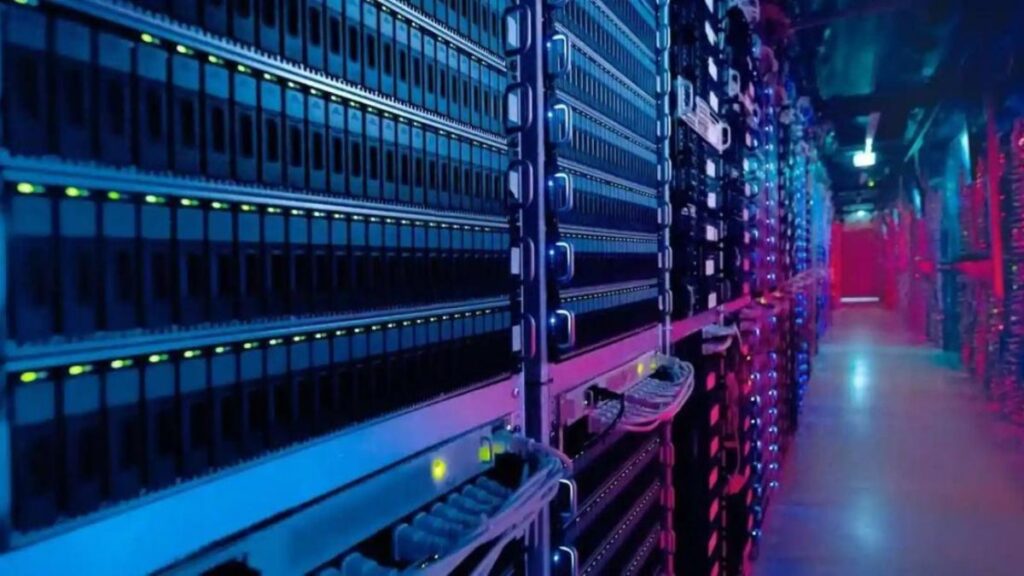
Modern data centers form the backbone of the digital world, supporting everything from cloud computing to artificial intelligence and data analytics. As these computing demands soar due to continued growth in online activity, remote work, and the Internet of Things, optimizing server deployment is crucial for maximizing performance, maintaining scalability, and minimizing energy consumption. Not only must today’s infrastructure handle unprecedented volume, but it must also deliver consistent, reliable service around the clock. Companies across industries are therefore turning to innovative solutions, such as the mini 1U server, to pack more computing power into efficient, space-saving units, enabling them to address these challenges while saving valuable data center real estate.
Balancing raw computing power with energy efficiency and reliability is a hallmark of advanced server deployment strategies. Data centers are mission-critical facilities where operational disruptions translate into lost revenue and productivity. Efficient data center operations hinge on selecting not just the right hardware and technologies, but also optimizing how these assets are deployed and managed across the organization. These strategies empower companies to meet service-level agreements, reduce total cost of ownership, and seamlessly adapt as their technology needs evolve. This article details actionable strategies, from energy-efficient hardware to virtualization and AI-driven resource management, that can transform traditional data centers into modern, cost-effective, responsible, and “greener” facilities aligned with both business and environmental priorities.
Energy-Efficient Server Solutions
Energy consumption is a major concern for data center operators, especially as electricity costs rise and environmental oversight increases. Investing in high-performance, ENERGY STAR®-rated servers offers significant long-term savings. These servers use advanced chipsets, power management, and fabrication to reduce heat output while maintaining computational power. From 2017 to 2021, server architecture improvements doubled energy efficiency, enabling data centers to handle about 50% more workload with stable energy costs. Modern servers feature variable-speed fans that adjust based on load, reducing electricity use and prolonging equipment life. Proper airflow management and rack layout, including cold/hot aisle separation, blanking panels, and cable management, further optimize cooling. High-efficiency power supplies also help lower energy loss and site PUE.
Advanced Cooling Techniques
Cooling accounts for a significant portion of a data center’s electricity bill and carbon footprint. As the density and heat output of modern servers increase, so too does the need for innovative and efficient cooling solutions. Traditional air-cooled servers, while still prevalent in many legacy environments, are giving way to more advanced approaches such as liquid and immersion cooling, which directly transfer heat away from critical components with far greater efficiency than air-based systems. These cutting-edge methods enable data centers to deploy higher-density server racks without risking overheating, system throttling, or premature failure.
In liquid-cooling setups, chilled water or specialized coolants circulate through cold plates attached directly to CPUs, GPUs, and memory modules, rapidly removing heat from the system’s core. This approach decreases reliance on room-wide air conditioning, slashing overall cooling energy requirements and helping meet both performance and sustainability objectives. Immersion cooling, by contrast, involves submerging entire servers in tanks filled with electrically non-conductive liquids. This method allows for exceptionally high heat transfer rates and enables technicians to manage hardware more densely, given the reduced risk of overheating or localized hotspots. Immersion cooling also limits noise pollution, as many of the moving parts associated with air cooling can be eliminated.
Modular and Flexible Server Architectures
Scalability and rapid deployment are crucial for adapting to changing market needs. Modular data centers with prefabricated, plug-and-play server units enable quick capacity adjustments and standardized deployment, reducing errors and operational costs through better resource management. Converged and hyper-converged infrastructures virtualize compute, storage, and networking, allowing IT teams to scale resources efficiently and quickly. This integrated architecture enhances resilience, minimizes downtime, and simplifies compliance, resulting in shorter deployment cycles, lower costs, and greater agility in technological and regulatory changes.
Integration of AI and Machine Learning
AI and machine learning are transforming server deployment and data center management through real-time monitoring and automated optimization. Intelligent algorithms track metrics like temperatures, energy use, hardware utilization, and infrastructure health to manage cooling and predict failures, reducing downtime and extending equipment life. AI automation balances workloads, minimizes performance bottlenecks, and adjusts deployment strategies based on data, seasonal changes, and usage spikes. Incorporating AI is now a standard practice to improve resource use and customer service.
Virtualization and Server Consolidation
Virtualization technologies have fundamentally changed data center economics by allowing multiple virtual machines and workloads to share the same physical hardware. This approach increases system utilization and overall reliability, meaning organizations can deploy more applications with fewer servers. As a result, the physical footprint is minimized, reducing capital expenditures and ongoing operational costs for space, electricity, and cooling.
Server consolidation delivers more than just efficiency gains; it simplifies routine management by centralizing control over previously siloed applications and resources. For disaster recovery and business continuity, virtualization makes it much easier to migrate, clone, or restore instances, improving resilience and operational agility. Modern virtualization solutions are now sophisticated enough to allow instant failover, capacity scaling, and seamless upgrades with minimal disruption. Data centers employing these advanced tools are better positioned to meet changing customer demands, scale services rapidly, and reduce environmental impact, all of which are vital in managing today’s increasingly complex IT ecosystems.
Conclusion
Modern data center efficiency is driven by a holistic approach to server deployment that integrates the best of hardware and innovative management practices. Key strategies, including the adoption of energy-efficient server hardware, implementation of advanced cooling techniques, embrace of modular and scalable architectures, integration of AI and automation, and the extensive use of virtualization, collectively empower organizations to maximize performance while sharply reducing unaffordable operating costs and their environmental impact. As technological advances continue and business requirements evolve, forward-thinking data centers will remain at the forefront, maintaining agility, resilience, and service excellence to meet tomorrow’s fast-changing digital demands.