Enhancing your home’s insulation is one of the most effective ways to boost energy efficiency. Properly sealed and insulated living spaces help maintain comfortable indoor temperatures year-round, minimize heat transfer, and reduce reliance on HVAC systems. For homeowners looking to create an optimal indoor environment while lowering utility bills, prioritizing insulation upgrades can make a significant difference. To get started on your home’s transformation, consider exploring options with Net Zero, a reputable provider of energy-efficient solutions.
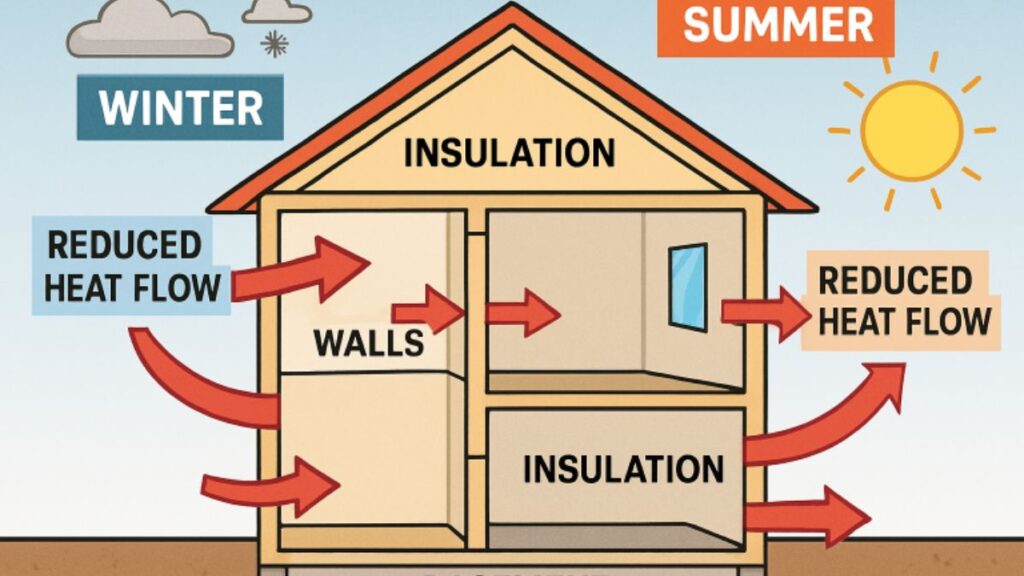
Efficient insulation slows heat transfer between the indoors and outdoors, resulting in more manageable energy use. This means that during winter, warmth is retained inside your home, while in summer, the heat is kept outside, lessening the workload on your heating and cooling systems. Ultimately, this translates to year-round comfort and cost savings.
For many homeowners, the financial benefits are substantial. Federal and local incentives reduce the overall cost of insulation, making improvements more accessible than ever. Combining insulation with thorough air sealing maximizes the impact on both comfort and energy savings.
Understanding the Impact of Insulation
Insulation acts as an invisible shield, controlling the exchange of heat between your home and the external environment. During winter months, effective insulation prevents heat from escaping, maintaining a warm indoor environment with minimal heating use. In the hotter months, insulation prevents external heat from intruding, relieving pressure on cooling systems and minimizing electricity consumption. According to the U.S. Department of Energy, heating and cooling account for about 50 to 70 percent of the energy used in an average American home, making insulation an essential factor in any energy reduction strategy.
Financial Benefits and Incentives
Making insulation upgrades is more affordable than many homeowners expect, thanks in part to a variety of financial incentives. A federal tax credit allows homeowners to claim up to 30 percent of the cost of eligible insulation projects (capped at $1,200 per year) through 2025. Many state and local governments also offer incentives, such as rebates or low-interest financing, for energy-efficient home improvements.
Key Areas to Insulate
Strategically adding insulation to the right areas is crucial for optimal results. Consider focusing on these locations:
- Attic: Because heat rises, the attic is often the largest source of energy loss in under-insulated homes. Adequate attic insulation creates a thermal barrier that protects your living spaces year-round.
- Walls: Insulating walls helps maintain consistent temperatures throughout the house and prevents unwanted heat transfer, particularly in older homes with outdated or minimal insulation.
- Basement and Crawl Spaces: Uninsulated basements or crawl spaces contribute to cold floors and additional heat loss. Upgrading these areas can improve both comfort and efficiency.
Combining Insulation with Air Sealing
Insulation works best in tandem with effective air sealing. Even high-quality insulation cannot compensate for air leaks, which allow heated or cooled air to escape and outdoor air to enter. Sealing gaps around doors, windows, plumbing, and electrical penetrations prevents drafts and further reduces energy loss. This combination not only improves efficiency but also can help manage indoor humidity and minimize allergens and pollutants.
Choosing the Right Insulation Material
Selecting the most suitable insulation material depends on your home’s design, budget, and local climate. Popular options include:
- Fiberglass Batts: This is a cost-effective choice and is commonly used in standard wall cavities or unfinished attics. Fiberglass is widely available, easy to handle, and offers reliable performance.
- Blown-In Cellulose: Made from recycled paper treated for fire resistance, cellulose is ideal for insulating irregular or hard-to-reach spaces and offers superior coverage, particularly in retrofits.
- Spray Foam: This material expands upon application to fill nooks and cracks, providing excellent air sealing and insulation performance. Though more expensive, it delivers higher R-values (insulation effectiveness) and is well-suited for sealing leaks.
The best insulation for your needs will depend on project specifics and objectives. Consulting with insulation professionals can help you make the most informed choice.
Professional Installation vs. DIY
Some insulation tasks, such as laying attic batts or using spray foam kits in accessible areas, can be handled by motivated DIYers with the right tools and safety gear. However, for optimal results and maximum energy efficiency, professional installation is recommended. Insulation experts offer energy audits to pinpoint problem areas and estimate return on investment. They also have access to advanced materials and ensure compliance with building codes and best practices, delivering peace of mind and lasting performance.
Long-Term Benefits
Investing in insulation has long-lasting advantages beyond immediate cost savings. Reduced energy consumption shrinks your home’s carbon footprint and fosters a more sustainable lifestyle. Many real estate professionals note that energy-efficient upgrades, such as insulation, can increase home value and marketability. Improved indoor comfort and air quality further enhance day-to-day life, contributing to better health outcomes for all occupants.
Final Thoughts
Upgrading your home’s insulation is a strategic step toward energy efficiency, financial savings, and sustainability. With informed choices and access to attractive incentives, homeowners can enjoy a more comfortable, eco-friendly living environment year-round.