
Regular car care is about more than just keeping your vehicle looking good. It plays a crucial role in prolonging its life and maximizing resale value down the road. A consistent maintenance routine not only prevents unexpected breakdowns but also keeps your car appealing to buyers and ensures a smoother ownership experience. If you want to protect your investment and avoid costly surprises, paying attention to routine maintenance is a smart move. Learn more about specific care routines and expert service options.
Routine checks and maintenance also help spot potential issues before they become significant problems. Combining responsible upkeep with smart care habits can save you money and frustration over the lifetime of your vehicle. It’s not just about how you drive; it’s also about how you maintain and store your car.
For those planning to trade in their vehicle or sell it privately, proving your car has been well-cared for makes a compelling argument for a higher resale value. Proper documentation and attention to both performance and appearance directly impact how appealing your vehicle is to a future buyer.
It is essential to recognize that not all vehicle care happens in the driveway. How you store your car, the environments you drive in, and your day-to-day habits all influence its long-term condition. By focusing on these areas, you extend your vehicle’s lifespan and maintain its value.
Regular Maintenance: The Foundation of Vehicle Longevity
Following the maintenance schedule outlined by your vehicle’s manufacturer is one of the most reliable ways to preserve performance and value. Service tasks such as oil changes, tire rotations, air filter replacements, and brake inspections are not just recommended; they are essential. Each completed service reduces the chances of expensive repairs by catching small issues before they escalate.
For example, changing the oil at regular intervals keeps the engine lubricated and functioning efficiently. This simple step helps prevent sludge buildup and engine wear, both of which can severely reduce performance and longevity. Routine maintenance also often includes checking the battery, topping off fluids, replacing worn-out wiper blades, and ensuring tire pressure is at optimal levels.
Keeping Detailed Service Records
Thorough documentation of service work is a powerful asset when reselling or trading in your car. Potential buyers and dealerships alike are encouraged by a clear record of regular care, which signals the vehicle has not been neglected. Keep all receipts, invoices, and service records together, whether in a dedicated folder or in a digital format.
Organized documentation simplifies the sales process and supports any claims you make about the car’s maintenance. If you decide to use a digital record, many manufacturers offer online tools that let you upload and track your vehicle’s maintenance history. For more on best practices and what records to retain, check out Consumer Reports’ car maintenance tips.
Protecting Your Car’s Exterior
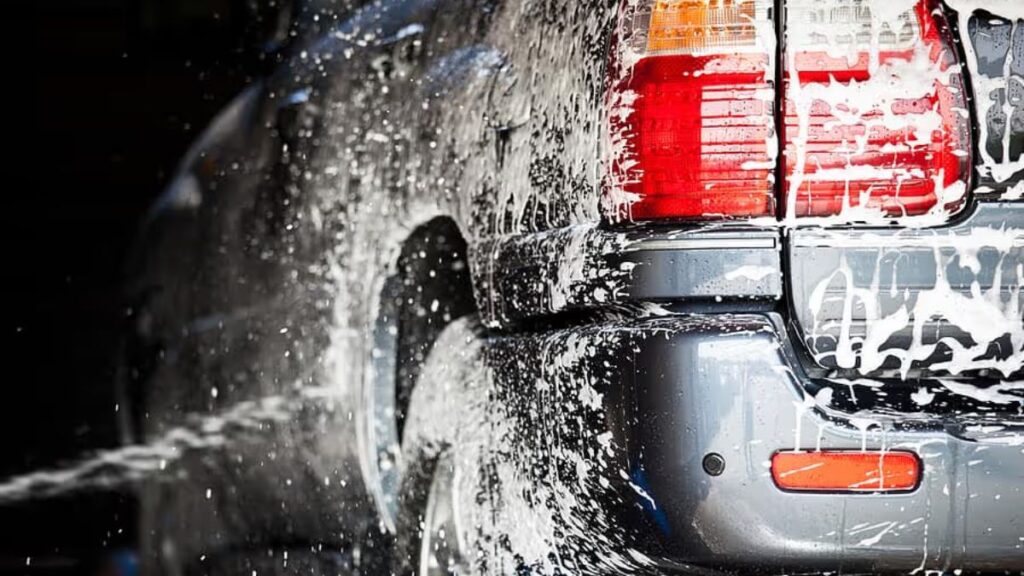
Your car’s exterior is the first thing buyers notice, and it is highly susceptible to damage from the elements. Regular washing removes contaminants such as road salt, grit, and tree sap that can leave scratches or cause rust if left untreated. Waxing a few times per year provides a protective barrier against UV rays, acid rain, and airborne pollutants.
In addition to cleaning, park your vehicle in shaded areas or garages, or use a quality car cover to prevent long-term sun exposure and fading. Those who live in areas with harsh weather or heavy pollen seasons may want to wash more frequently for extra protection.
Maintaining the Interior
A clean and odor-free interior is key to retaining value and keeping your driving experience enjoyable. Routine vacuuming, surface wiping, and upholstery cleaning can prevent stains, buildup, and premature wear. Using sunshades in summer months, seat covers, and floor mats will protect fabrics from fading and soiling.
Treat spills as soon as they occur and use cleaners recommended for your car’s interior surfaces. Applying a protectant to both leather and plastic surfaces can minimize cracks and fading over time.
Adopting Responsible Driving Habits
The way you drive every day impacts how quickly your car wears out. Rapid acceleration, hard braking, and taking sharp turns place extra stress on many components, from the engine and transmission to the brake pads and suspension. Adopting smooth, measured driving habits helps these critical parts last longer and lessens the risk of sudden breakdowns.
These habits also improve fuel efficiency and reduce routine component wear. Ultimately, this reduces overall maintenance costs.
Addressing Minor Repairs Promptly
Even if a dent or scratch appears minor, ignoring it can be a costly mistake. Left untreated, small issues like these can grow into larger problems as rust spreads or paint chips expose the car’s body to corrosion. To keep your car looking and functioning at its best, address repairs as soon as possible after they arise.
Taking care of these details shows future buyers that the car has received timely attention and is less likely to have underlying issues.
Proper Storage and Seasonal Preparations
How and where you store your car makes a significant difference in its condition over time. Storing your vehicle indoors, in a garage or under a quality carport, can shield it from temperature extremes, moisture, and UV rays. If you plan to store your vehicle for an extended period, invest in a weatherproof cover and disconnect the battery to prevent drainage.
In colder climates, preparing your vehicle for winter by checking antifreeze levels, keeping the gas tank at least half full, and washing the undercarriage regularly can help fend off salt damage and ensure your car is ready for the road come spring.
Conclusion
Making time for routine car care is an investment in your vehicle’s long-term value and performance. Through regular maintenance, thorough record-keeping, interior and exterior protection, smart driving, prompt attention to repairs, and proper storage, you set yourself up for years of worry-free ownership and maximize your car’s appeal when it comes time to sell or trade in.