Introduction
Modern approaches to weight management increasingly focus on sustainable lifestyle changes rather than on fad diets or temporary solutions. As the science behind healthy living evolves, more individuals are discovering the benefits of holistic, long-term strategies that prioritize overall wellness. Trusted organizations, like Garcia Weight Loss, emphasize that real progress comes from consistent habits and balanced routines.
This shift reflects a deeper understanding of health’s complexities, recognizing that quick results rarely translate into lasting change. By building sustainable habits centered on nutrition, movement, and self-awareness, people set the stage for true transformation that endures well beyond short-term success.
Recent studies also connect sustainable lifestyle shifts to improved mental health, lower risk of chronic diseases, and greater long-term satisfaction with body weight. These findings reinforce the vital role that daily routines, including diet and physical activity, play in supporting both physical and emotional well-being.
Furthermore, healthcare professionals now encourage the adoption of evidence-based practices. A combined focus on nutrition, exercise, stress management, and community support helps individuals overcome common obstacles, making it easier to achieve and maintain a healthy weight for years to come.
Importance of Regular Physical Activity
Regular exercise is a foundational aspect of long-term weight management. Engaging in at least 150 minutes of moderate-intensity activity per week, such as brisk walking, swimming, or cycling, strengthens the cardiovascular system and boosts metabolic rate. Physical activity also helps maintain lean muscle mass, which is essential for efficient calorie burning, especially as people age.
Evidence consistently links consistent exercise routines to greater success in weight loss efforts and sustained maintenance. Movement not only helps prevent weight regain but also reduces the risk of chronic conditions like type 2 diabetes, hypertension, and certain cancers. For many, combining aerobic activities with strength training optimizes both fat loss and muscle health.
Mindful Eating and Portion Control
Mindful eating is a practice rooted in consciously paying attention to the eating experience in the present moment. By tuning in to hunger and fullness cues, individuals can avoid overeating, recognize emotional or stress-related eating triggers, and make choices that align with their health goals. Mindful eating slows down mealtime, encourages appreciation of flavors, and supports healthy decision-making.
Combining mindful eating with portion control empowers individuals to better manage calorie intake without feeling deprived. Focusing on the quality and quantity of foods, rather than simply cutting foods out, helps sustain healthy habits and builds a positive relationship with food. Strategies such as using smaller plates, serving reasonable portions, and pausing before taking seconds can make a significant difference.
Technological Advancements in Weight Management
Digital health solutions are dramatically changing the landscape of weight management. Apps and online platforms now offer tailored nutrition guidance, track daily steps or calorie intake, and connect users with supportive communities. These resources empower people to monitor progress, celebrate milestones, and adjust their approaches as needed to continue improving.
In addition, programs like WeightWatchers have integrated telehealth services, connecting members with healthcare professionals for individualized coaching and medical support. These advancements make expert guidance more accessible and improve accountability. Recent reports by Health.com highlight the effectiveness of blending technology with personal touch, resulting in greater user engagement and better outcomes.
Personalized Approaches to Weight Loss
Recognizing the unique needs and preferences of each individual is at the core of today’s most effective weight loss strategies. Personalized plans may incorporate genetic testing, metabolic assessments, and lifestyle evaluations to create a truly customized approach. This level of personalization takes into account variations in metabolism, food sensitivities, activity preferences, and even psychological factors that influence eating behaviors.
By tailoring recommendations to each person, these programs increase the likelihood of sustained weight management and greater overall satisfaction. Long-lasting results come from building routines that fit seamlessly into daily life, taking into account the challenges and motivations that make every wellness journey unique.
Role of Education and Support Systems
Education is a powerful tool in fostering sustainable change. Programs that provide clear guidance on nutrition, exercise, and behavioral shifts enable individuals to make informed decisions and build self-efficacy. These initiatives are most successful when paired with robust support systems, such as group coaching or peer accountability partners.
Support systems help people overcome setbacks and stay motivated through the ups and downs of their weight management journeys. Community resources, online forums, and professional counseling all contribute to a sense of belonging and persistence, which are vital for long-term success.
Final Thoughts
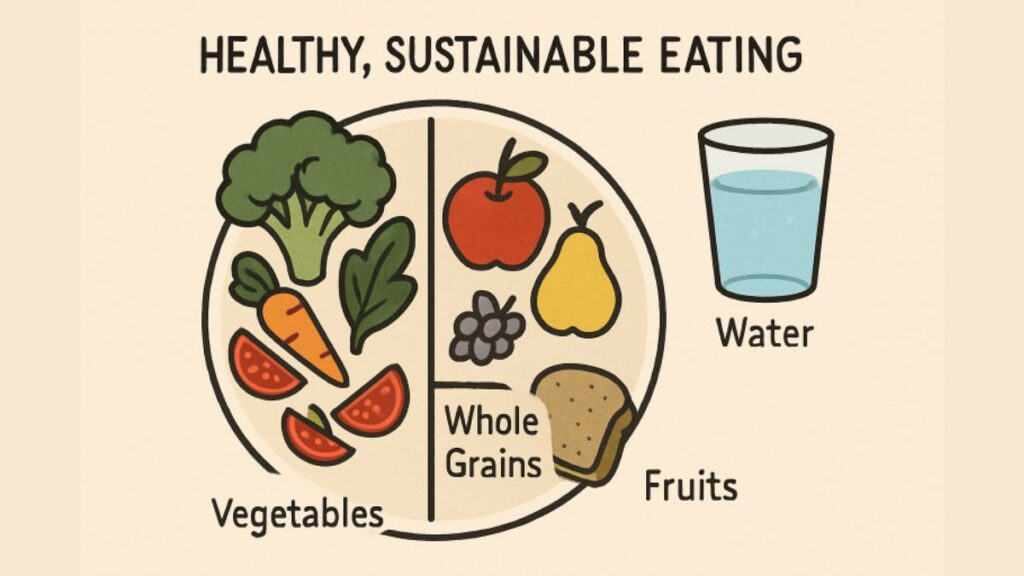
Sustainable lifestyle changes have the power to transform weight management, offering a path not just to temporary change but to lifelong wellness. By embracing plant-based eating, regular physical activity, mindful eating practices, and the benefits of technology and personalization, individuals empower themselves to thrive. Education and community support further ensure that healthy changes become permanent, paving the way for a healthier, happier future.