
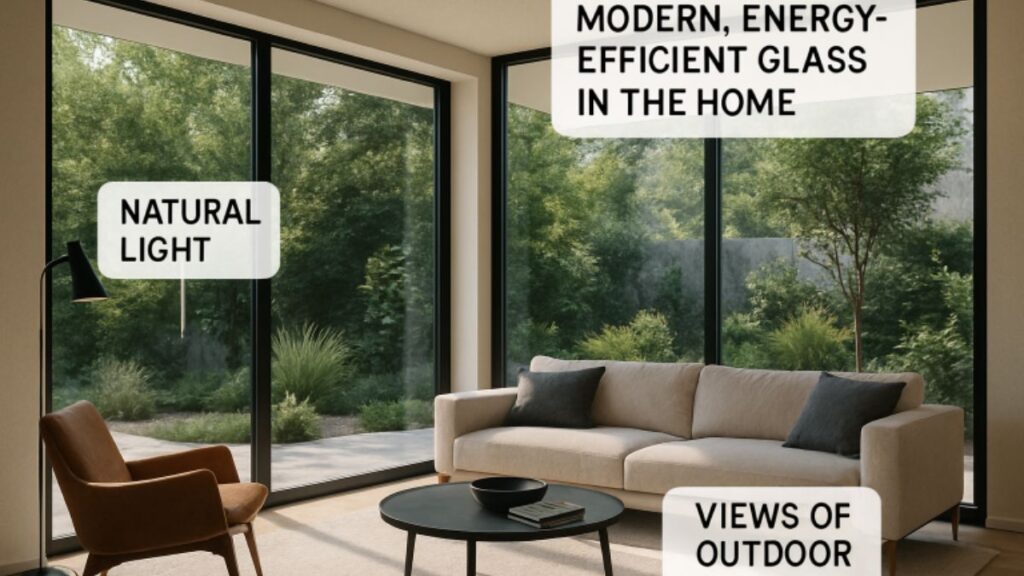
Modern home design is undergoing a remarkable transformation, with glass playing a pivotal role in both style and sustainability. Today’s glass innovations offer homeowners far more than just a view—they elevate comfort, improve energy efficiency, and introduce versatile aesthetics to various living spaces. Companies like Kennedyglass.com are leading the way, making it easier than ever for homeowners to find glass solutions tailored to contemporary needs. By optimizing natural light, reducing energy costs, and blending indoor and outdoor environments, these advancements are redefining what’s possible in residential architecture.
From high-performance door glass to smart, adaptive window systems, the latest glass technologies enable homeowners to shape their environments for improved livability and environmental responsibility. Whether renovating a classic property or building a new one, the right glass can transform a house into a vibrant, energy-efficient home. These cutting-edge products provide thermal regulation, sound insulation, and creative design opportunities.
Advancements in Doorglass Designs
The entrance to any home sets the tone for its style and ambiance. Modern door glass innovations make striking first impressions possible by offering a variety of textures, patterns, and finishes to match all tastes. At the International Builders’ Show (IBS) 2025, Novatech introduced 14 new door glass products that blend classic charm with contemporary flair. The Zen line stands out, featuring biophilic-inspired designs that integrate natural motifs, such as realistic wood grains in Walnut and Aspen. This biophilic approach not only echoes the growing trend toward nature-inspired interiors but also provides a warmer, more personalized entryway—an ideal solution for both new construction and remodeling projects.
Energy-Efficient Glass Technologies
With rising energy costs and increased focus on environmental stewardship, energy efficiency is a centerpiece of modern home upgrades. Companies such as LuxWall have responded with advanced vacuum-insulating glass, which outperforms conventional double-paned windows by a significant margin. Their latest technology reportedly delivers five times the efficiency, leading to lower heating and cooling costs and a reduced carbon footprint. Homeowners and builders seeking to prioritize sustainability view this as a compelling, future-forward option for both new construction and renovation projects.
Ultra-Thin Glass Innovations
Further progress comes from collaborative innovation, as demonstrated by Glas Trösch and Corning Incorporated. Their ultra-thin glass prototypes aim for superior energy and material efficiency. Using a center pane only 0.5 millimeters thick in a triple-glazed setup, these architectural glass solutions offer exceptional insulation while keeping a light profile and reducing raw material usage. Such developments align with global efforts to lower construction emissions and create more comfortable, sustainable buildings.
Beyond their insulation properties, these thinner glass products support greater creative freedom in architectural design, allowing for sleek, expansive windows and facades without the weight disadvantages of older glazing solutions. For a deeper understanding of the evolution of energy-efficient building materials, consult resources from The New York Times’ coverage on sustainable building materials.
Retrofitting with Vacuum Insulating Glass
Not every property is a candidate for full replacement windows. For preservation projects or homes with custom frames, vacuum insulating glass (VIG) designed for retrofitting is a game-changer. HaanGlas offers VIG units engineered to slot seamlessly into existing sashes, allowing significant improvements in thermal performance and outside noise reduction. These benefits extend to both modern apartments craving better sound control and older homes striving for efficiency while retaining their original charm. For homeowners with historic properties, this option preserves character while providing contemporary comfort and energy savings.
Smart Window Systems
The integration of smart technologies into window systems is rapidly gaining ground. Researchers have pioneered hydrogel-based windows that remain transparent but actively boost insulation by collecting and redistributing waste heat. Such windows can maintain comfortable indoor climates year-round, adapting to both summer heat and winter cold. With high visible light transmission, these solutions deliver the brightness of traditional glass while significantly reducing energy loss. This is particularly important in urban settings where cooling demands are high, and smart windows play a vital role in “passive cooling” strategies.
Thermochromic Windows
Thermochromic glass offers another breakthrough in responsive design, automatically darkening or lightening its tint in response to temperature changes. Metal halide perovskite-based versions have recently achieved transition temperatures that are ideal for climate adaptation, thereby reducing the need for artificial temperature control. Especially in regions with hot summers and cold winters, thermochromic glazing lets homeowners benefit from passive heat gain in cooler months and solar blocking in the heat, providing year-round comfort and energy savings.
Conclusion
The rise of innovative glass technologies is reshaping modern living by delivering improved comfort, visual appeal, and lasting sustainability. Today’s advancements range from high-performance door glass and ultra-thin panes to retrofit-ready options and intelligent window systems that adapt to changing conditions. These solutions help regulate indoor temperatures, reduce energy consumption, and maximize natural light while elevating a home’s overall design. By adopting these cutting-edge glass innovations, homeowners can create brighter, healthier, and more efficient living environments. The result is a balance of style and performance that enhances everyday comfort and supports long-term value for families and future generations.