
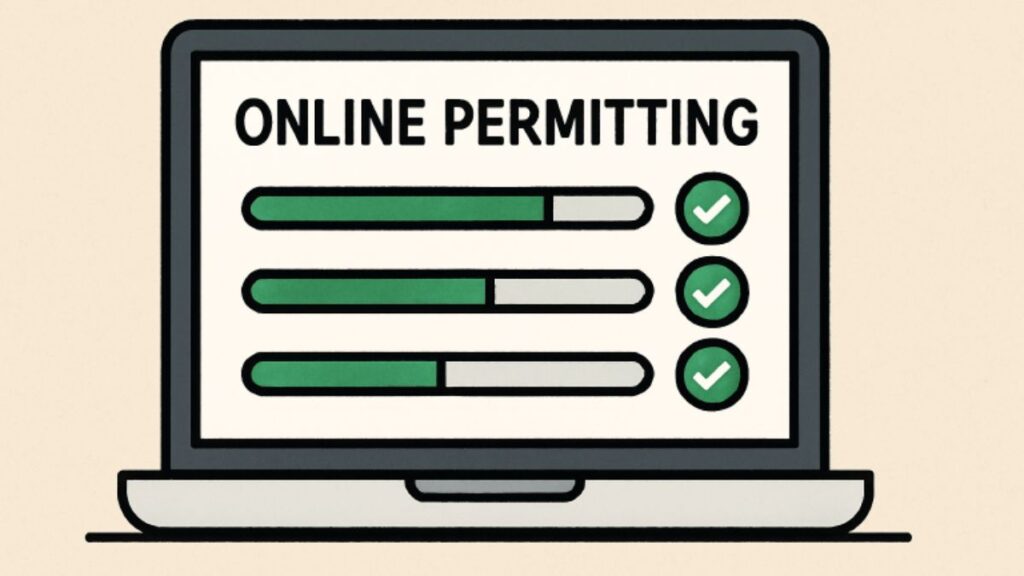
Permitting delays are a pervasive bottleneck that can significantly disrupt the carefully planned schedules and tightly controlled budgets of commercial construction projects. In many cases, a single holdup in the approval process can ripple outwards, causing months of delays, escalating costs, and frustration among stakeholders. When municipalities experience persistent setbacks in permits and inspections, various consequences emerge: not only do project costs rise due to prolonged labor, increased materials storage costs, and missed market opportunities, but entire communities may lose valuable economic momentum. Progressive cities and towns are recognizing these challenges and responding with new approaches to accelerate their permitting systems, better supporting both developers and the community at large. Innovative companies such as Burnham Nationwide play an integral role in this shift, offering consulting services to jurisdictions and developing best practices for more efficient permit processing. Through expert guidance, technology deployment, and process optimization, such firms help municipalities improve permit turnaround times while ensuring continued regulatory compliance and public safety.
The transformation of commercial permitting is driven by digital innovation, private-sector partnerships, and legislative reforms, leading municipalities to adopt more transparent and efficient permit processes. These improvements support both large developers and small business owners, offering them a clearer understanding of application requirements and more direct communication with reviewers. As a result, stakeholders can track application progress, reducing errors and miscommunication while fostering business growth and ensuring safety compliance. Enhanced permitting systems streamline communication among developers, architects, and public officials, speeding up economic development in urban and suburban areas. Cities that incorporate digital tools and collaborative approaches are moving away from outdated paper-based processes, thereby enhancing their competitiveness in attracting new investments and innovations.
Embracing Digital Permitting Systems
Throughout the United States, a strong push toward online permitting portals, electronic plan submissions, and virtual inspections is transforming the construction industry. The adoption of digital permitting systems allows contractors, architects, engineers, and business owners to prepare, submit, and revise application materials entirely online, from any location and at any time. This immediate access keeps projects moving even when staff are remote or working staggered hours. For example, the City of Albuquerque’s express permitting system and third-party plan review program have dramatically improved permit processing, reducing approval times and making it easier for both local businesses and large developers to comply with requirements. These advancements are more than just conveniences; they represent a cultural shift in government responsiveness and service delivery, where agility and customer experience are now prioritized alongside compliance. As reported by the New York Times, these technological leaps are alleviating previously entrenched administrative burdens, speeding up project launches, and supporting overall economic vitality by reducing the unpredictability of approval timelines.
Collaborating with Private Reviewers
Another major trend in streamlining commercial permitting is the strategic inclusion of third-party reviewers and private sector code consultants. Municipalities experiencing staffing shortages or overwhelmed with backlogged applications are supplementing their capacity by authorizing external experts to conduct technical reviews, perform inspections, and verify code compliance. Not only does this relieve municipal staff, but it also brings specialized industry expertise vital to evaluating complex and innovative projects. Albuquerque’s approach is demonstrative: by partnering with private reviewers, city planners can more efficiently prioritize their caseloads, focusing in-house resources on the most sensitive or high-impact developments while maintaining rigorous quality assurance. This strategy is scalable and increasingly popular, with smaller municipalities also embracing public-private partnerships to level up service delivery without expanding city budgets. Case studies published in the Albuquerque Journal illustrate how this flexible approach can cut wait times, improve project support, and deliver excellent outcomes for all involved.
Implementing Policy Reforms
In addition to procedural and technological advances, legislative and regulatory reforms are essential to building a modern, responsive permitting environment. Outdated permit requirements, such as the requirement for costly, professionally drawn plans for minor alterations or change-of-use applications, have become significant roadblocks, particularly for small business owners. Recognizing this, cities like San Francisco are championing reforms that remove unnecessary steps, streamline documentation, and reduce costs while preserving critical health, safety, and environmental protections. San Francisco’s decision to eliminate professionally drawn plans for specific change-of-use permits is a highly impactful example, slashing the time and expense required to revitalize vacant storefronts and open new businesses. This type of innovation lowers barriers to entry, speeds up commercial redevelopment, and invites a more diverse, resilient local economy. The SF Examiner details how these reforms have jump-started activity in neighborhoods that have struggled with vacancy, ultimately reinforcing a more vibrant and equitable urban landscape.
Establishing Dedicated Permitting Offices
Some municipalities are taking innovation a step further by creating centralized offices entirely dedicated to permitting. By consolidating staff from planning, fire safety, environmental health, and code compliance departments into a unified unit, cities can provide a single streamlined contact point for applicants and ensure that reviews are coordinated and timely. Denver’s permitting office exemplifies this trend, introducing clear performance targets and accountability procedures that reduce turnaround times without requiring the city to increase its budget. Dedicated permitting offices enhance transparency, simplify communication, and give developers greater confidence that their projects will be evaluated fairly and promptly. This structure not only accelerates approvals but also supports workforce development by clarifying roles and streamlining job training for permitting professionals. According to Axios Denver, these changes have created noticeable improvements in applicant satisfaction and city efficiency, promoting steady economic growth.
Leveraging Technology for Efficiency
Beyond simple digital form submissions, a wave of new technologies is reshaping the entire permitting ecosystem. Municipalities are adopting comprehensive cloud-based platforms with automated workflows, integrated e-signatures, and real-time tracking. These technologies radically streamline the process, enabling immediate status updates for applicants and facilitating collaboration among internal reviewers. For example, when one municipality launched an all-in-one cloud-permitting platform, review timelines shrank dramatically, from several weeks to under 10 days on average. Today, the majority of permits in that jurisdiction are processed within 3 to 5 days, illustrating how investing in the right tools generates significant productivity gains. Such platforms also provide valuable analytics for city leaders, helping them identify bottlenecks, monitor contractor performance, and plan future improvements. As CNBC reported, the impact of tech-enabled permitting is both immediate and long-lasting, setting the stage for more agile, data-driven public services in the future.
Addressing Zoning and Regulatory Barriers
Despite these promising advances, regulatory inertia, including rigid zoning codes and outdated use classifications, remains a significant obstacle to fully streamlined permitting. As cities face new imperatives such as adaptive reuse, office-to-residential conversions, and multifamily housing infill, they must update their codes and administration to support contemporary needs. According to research from the U.S. Chamber of Commerce, nearly half of businesses surveyed identified local regulation as the primary barrier to repurposing commercial spaces and initiating new investment. Overcoming these challenges requires more than just permitting reform: it calls for integrated regulatory strategies that make code frameworks adaptable, allow for mixed uses, and empower staff to apply discretion in appropriate circumstances. As municipalities modernize zoning and regulatory structures, they unlock new opportunities for business innovation and community development, ensuring that permit processes serve rather than stifle growth.
Conclusion
Cities that are ready and willing to innovate in their permitting processes are better positioned to attract new development, drive job creation, and foster healthier, more dynamic business ecosystems. By embracing technological advancements, integrating private expertise, reforming outdated requirements, dedicating focused teams to processing permits, and modernizing code structures, forward-thinking municipalities are setting new industry standards. These strategies decisively demonstrate that efficiency and public safety need not be at odds; instead, faster and smarter permitting helps everyone, from property owners and entrepreneurs to city staff and community members, share in the benefits of prompt, predictable growth. As urban and suburban areas compete for business and talent, those that have adopted these strategies will stand out as models of effective governance and economic resilience.