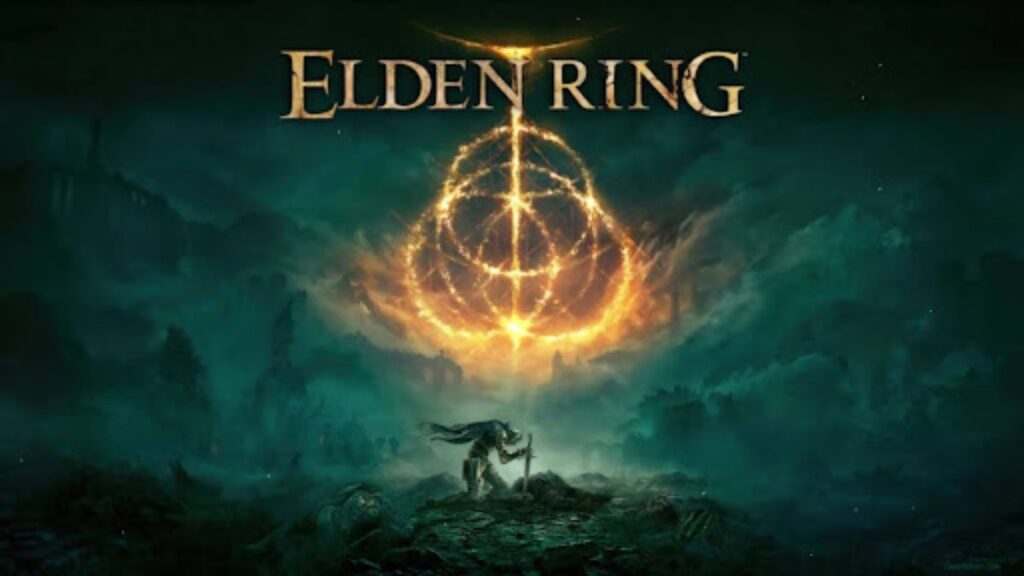
Nobody really knew what to make of Nightreign when FromSoftware dropped the announcement trailer. Here was a studio legendary for crafting lonely, punishing adventures—suddenly pivoting toward mandatory three-player sessions with battle royale-style mechanics. The gaming forums lit up instantly. Some folks couldn’t wait to grab their Elden Ring: Nightreign Steam key and dive in with friends. Others worried their favorite developer had sold out to modern multiplayer trends.
The launch numbers told an interesting story. Two million copies flew off virtual shelves in the first day. Players wanting reliable access turned to services like LootBar Steam Key for smooth purchases and instant delivery. Yet despite solid sales, Steam reviews hovered around 66% positive—making this FromSoftware’s worst-reviewed full game. The split wasn’t about quality alone. It reflected something deeper about what happens when a beloved franchise takes genuine creative risks.
When Expectations Collide With Reality
Launch day brought chaos in the best and worst ways. Veterans who’d spent hundreds of hours mastering Elden Ring’s methodical combat suddenly found themselves racing against countdown timers. The shift hit hard for solo players especially. One Steam reviewer summed it up perfectly: playing Nightreign feels like speedrunning Elden Ring when all you wanted was to explore. That comparison stuck because it captured the fundamental design clash. The complaints weren’t petty nitpicking either. People pointed out legitimate technical gaps—no crossplay support, no voice chat, no option for duo runs.
Getting stuck with random teammates who either quit early or ran off in opposite directions became a common frustration. The Steam forums filled with threads titled things like “This community sucks” where players vented about teammates abandoning runs after a single death. Others fired back that the complainers were “bad at the game” and should “git gud.” Classic FromSoftware community behavior, just amplified by forced cooperation. The multiplayer friction gradually smoothed out though. Discord servers sprouted up where serious players could find consistent teams instead of rolling the dice on matchmaking.
Yet something shifted after those rocky first weeks. Players who initially refunded the game started giving it second chances. They discovered that yeah, Nightreign demands different skills than traditional Souls games—but those skills feel satisfying once you understand them. Resource management matters here. Route planning replaces aimless wandering. Each hour-long run becomes its own contained story with beginning, middle, and (often brutal) end. Reviewers who stuck with it past the learning curve started updating their scores. The “Very Positive” status eventually arrived, though it took longer than FromSoftware probably hoped.
Wild Speculation About Parallel Timelines
Director Junya Ishizaki dropped a bombshell when he confirmed Nightreign exists in a completely separate timeline from the main Elden Ring story. The branching point? Right after the Shattering. Everything players knew about the Lands Between suddenly became negotiable. YouTube lore channels exploded with theories that grew increasingly elaborate with each new piece of evidence discovered. The Night Lord obsession started immediately. This mysterious figure ruling over eternal darkness clearly connected to something—but what?
Players dug through every item description in the original game looking for clues. The Nox civilization kept coming up. These underground dwellers worshipped a Lord of Night and lived in perpetual shadow beneath the surface world. What if their prophecy actually came true in this timeline? While the Tarnished restored order in one reality, maybe the Nox’s dark deity rose unchallenged in another. The theory gained traction as players noticed architectural similarities between Nightreign’s corrupted zones and the eternal cities from base Elden Ring. Then there’s the missing Erdtree situation. Where the golden beacon once stood, Nightreign shows only empty sky and ruined temples.
The appearance of bosses from other FromSoftware games really stirred things up. When players encountered the Nameless King from Dark Souls III as a major Nightlord, followed by Artorias, the Demon Prince, and others, speculation went nuclear. Are all FromSoftware games secretly connected through some cosmic multiverse? Director Ishizaki shot this down, explaining these were just exciting inclusions for fans. But try convincing the hardcore lore community. They’ve built entire frameworks suggesting the Lands Between sits at the center of a universe containing every FromSoft world, with gods and powerful entities capable of traveling between dimensions.
How Gameplay Changed Community Behavior
The forced cooperative structure fundamentally altered how the Elden Ring community operates. Before Nightreign, multiplayer meant invasions or occasionally summoning help for tough bosses. You could ignore those systems entirely and still experience everything. Not anymore. This shift created entirely new social ecosystems around the game. Discord servers dedicated to Nightreign look nothing like typical Souls game communities. Instead of sharing cool screenshots of scenic vistas or posting “I finally beat Melania” celebrations, these spaces focus on team building and synergy optimization.
Build variety exploded in unexpected ways. Unlike base Elden Ring where you could carefully plan your character’s stats and equipment, Nightreign throws random weapons and relics at you each run. Players had to learn adaptability. The community response involved creating flexible strategy guides rather than rigid build calculators. Content creators started streaming “challenge runs” where they’d beat Nightlords using whatever random gear the game provided. This encouraged a mindset shift from optimization toward improvisation. Making suboptimal equipment work through clever tactics became more impressive than following a predetermined meta build.
The session-based structure also changed how people approach failure. In traditional Souls games, dying to a boss means immediate retry with all your knowledge intact. Nightreign’s hour-long cycles with permanent consequences hurt differently. Yet many players reported feeling less frustrated despite the higher stakes. Each failed run represented a complete narrative arc rather than just hitting a wall repeatedly. This created a community culture less focused on grinding through punishment and more on enjoying the cooperative journey—even spectacular failures became bonding experiences worth sharing rather than shameful defeats to hide.
The Current State of Things
Seven months past launch, the community has largely settled into acceptance. Players who initially despaired that Nightreign signaled the death of traditional FromSoftware experiences now understand it as a side experiment rather than new direction. The studio demonstrated they could try something wildly different without abandoning what made them special in the first place. For newcomers wanting to jump in, grabbing an Elden Ring: Nightreign Steam key through LootBar remains the smoothest path to experiencing this unique cooperative experiment.
The Forsaken Hollows DLC added fresh fuel to ongoing lore debates. New Nightfarers brought unexplored backstories. Additional bosses provided more puzzle pieces for theorists to arrange and rearrange. The speculation shows no signs of slowing—if anything, it’s intensified as players dig deeper into environmental storytelling and hidden connections. Every patch that tweaks balance or adds content sparks renewed discussion about what these changes might mean for the game’s mysterious narrative. Sales crossed five million copies, proving a substantial audience exists for FromSoftware’s experimental approaches.