
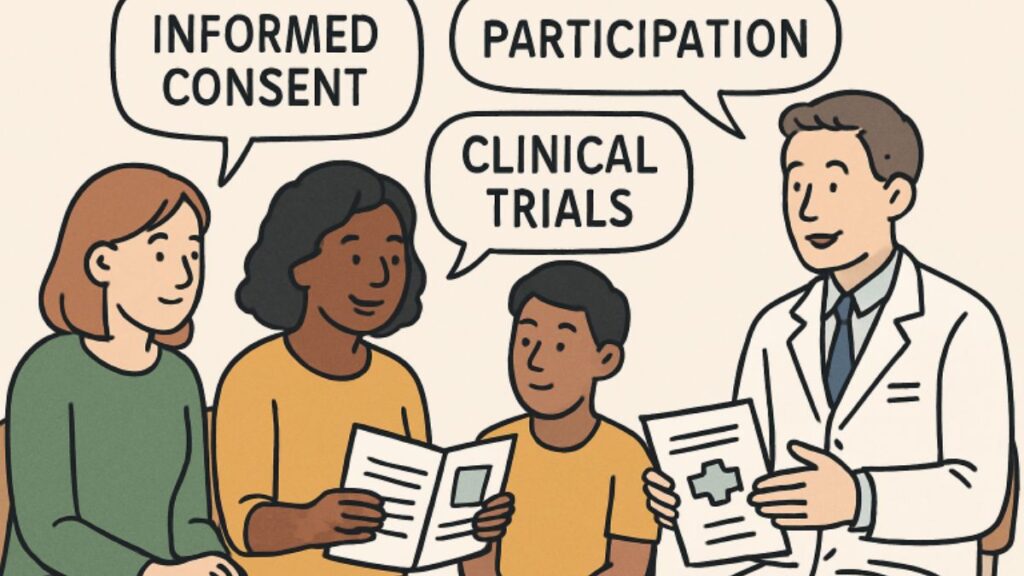
Understanding Clinical Trials
Clinical trials are regulated research studies that enroll human volunteers to test the efficacy and safety of new medical, surgical, or behavioral interventions. They represent a vital step in bringing a promising treatment from the laboratory to mainstream clinical use. Participating in a clinical trial provides volunteers with the opportunity to contribute directly to the advancement of medicine and improve future patient outcomes. Without the commitment of study participants, breakthroughs in new therapies, prevention techniques, or diagnostic tools would not be possible.
Each clinical trial follows a protocol, which outlines the study’s purpose, eligibility criteria, procedures, and schedules. This structure is key to consistent data collection and unbiased results. Importantly, safety monitoring in clinical trials is a continuous process, with oversight from medical teams, ethics committees, and regulatory authorities to minimize risks and promptly address adverse events.
Participation is not only critical for scientific progress; it’s also an avenue for volunteers to access innovative treatments and receive enhanced healthcare supervision. Trials may offer hope for individuals with conditions that have not responded to existing therapies, providing a sense of purpose in knowing that their involvement could benefit generations to come.
Why Participate in Clinical Trials?
- Access to New Treatments: Participants are often among the first to receive new investigational treatments that may be more effective than currently approved therapies.
- Comprehensive Medical Care: Enrollees typically benefit from intensive monitoring and expert care provided by a multidisciplinary medical team, sometimes gaining insights that are otherwise unavailable through standard healthcare channels.
- Scientific Contribution: By joining a trial, individuals play a vital role in helping researchers discover new treatments, prevention methods, and cures that can transform the future of medicine.
Decisions about joining a clinical trial are deeply personal. While some participants are motivated by the hope of overcoming a challenging diagnosis, others find value in supporting research that might benefit loved ones or the broader community.
Potential Risks and Considerations
Every clinical trial involves inherent risks and uncertainties. Participants must consider several key factors before enrolling:
- Side Effects: New treatments can present unknown or more severe side effects than standard therapies. These may be mild, such as headaches and fatigue, or more significant, including potential allergic reactions or organ impacts.
- Uncertain Outcomes: There is no guarantee the investigational therapy will prove more effective than traditional care, and results can vary among individuals.
- Time Commitment: Some trials require frequent medical check-ins, laboratory visits, or diagnostic imaging, which can impact daily life and routine.
It is essential for prospective participants to carefully review the trial details, seek advice from healthcare providers, and ask the research team questions to fully understand what to expect.
The Importance of Informed Consent
Informed consent is a cornerstone of ethical clinical research. This process involves providing potential participants with detailed information about the study’s aims, procedures, risks, benefits, and alternatives. Only after fully understanding these elements and having the opportunity to ask questions does an individual sign an informed consent form. Participation is always voluntary, with the freedom to withdraw at any time without affecting routine medical care.
Informed consent protects participant autonomy and ensures transparency throughout the research process.
Advancements in Clinical Trial Accessibility
Technology is reshaping the clinical research landscape and breaking down traditional barriers to participation. Remote trials, telehealth consultations, and at-home data collection tools help to include individuals who previously could not join due to geographic, mobility, or time constraints. For example, some health tech companies are pioneering fully remote clinical studies, delivering necessary materials directly to participants’ homes and utilizing digital applications for data submission and compliance tracking. This evolution enables researchers to reach a broader demographic, increase diversity, and ensure that their findings are applicable to real-world populations.
Initiatives like these support greater inclusion and representation, marking a positive shift toward equity in trial access.
Ensuring Participant Safety
Participant safety is upheld by strict protocols and regular oversight throughout every phase of a clinical trial. Regulatory bodies such as the FDA in the United States, along with independent Institutional Review Boards (IRBs) and ethics committees, monitor trials to confirm adherence to rigorous safety and ethical standards. Adverse events are continually reported and evaluated, ensuring that any necessary adjustments to the protocol or participant care are made promptly.
Prioritizing well-being is essential to building trust in clinical research and encouraging more people to consider participating in future studies.
How to Get Involved
Anyone interested in joining a clinical trial should begin by discussing options with their healthcare provider, who can assess eligibility and provide guidance tailored to an individual’s health status and treatment goals. Numerous reputable organizations and government agencies maintain searchable online registries where patients can find studies that match their interests or conditions.
When considering participation, carefully evaluate the potential benefits, risks, and requirements, and never hesitate to ask study coordinators for clarifications or additional information.
Conclusion
Participating in a clinical trial can be a meaningful way to access new treatments, receive enhanced medical care, and directly contribute to the advancement of science and medicine. While some risks are associated, comprehensive informed consent, vigilant safety monitoring, and robust regulatory oversight are in place to protect every volunteer. Thanks to innovations in technology and a growing focus on diversity and inclusion, clinical trials are more accessible than ever, paving the way for a future where medical breakthroughs benefit all.