
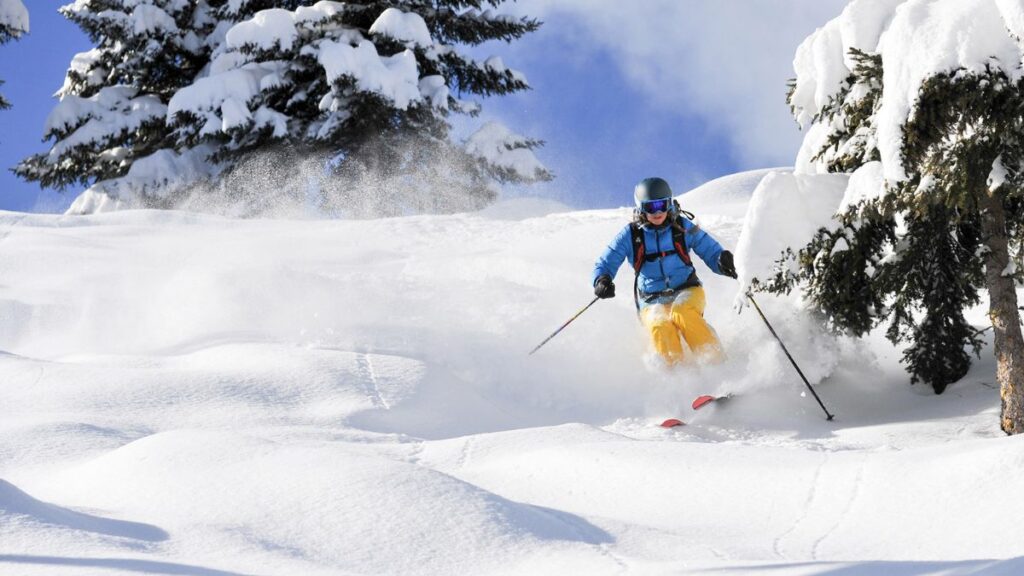
For skiers and snowboarders, the quality of snow can make or break a trip. Planning a ski vacation for the best snow conditions is key, but predicting weather patterns is difficult due to factors like geography, elevation, and climate cycles such as El Niño or La Niña.
Understanding Seasonal Snow Patterns
To find the best snow, you first need to understand the lifecycle of a winter season. Most ski resorts in the Northern Hemisphere operate from late November to April, but the quality of the surface changes drastically during this window.
Early Season (Late November – December)
The early season is often a gamble. While technology has improved significantly, allowing resorts to blow man-made snow to open key runs, the base depth is usually thin. This time of year is characterized by:
- Man-made snow: It tends to be firmer and icier than natural snow.
- Limited terrain: Resorts often open in phases, meaning the steepest and most interesting terrain might remain closed until there is sufficient coverage.
- Unpredictable weather: You might get a massive early dump, or you might be skiing on a “white ribbon of death” surrounded by dirt.
December brings the holiday crowds, but not always the holiday snow. While it is festive, the coverage is rarely at its peak.
Peak Season (January – February)
This is traditionally the heart of winter. Temperatures drop, preserving the snow that falls, and storms become more frequent and consistent. By this time, the base depth has usually accumulated enough to cover rocks and vegetation, allowing ski patrols to open up off-piste terrain, bowls, and glades.
Late Season (March – April)
Spring skiing offers a different kind of joy. The days are longer and warmer, leading to the “corn snow” cycle—where the snow freezes at night and softens during the day. However, powder days become less frequent, and the lower mountain can get slushy by the afternoon.
The Hunt for Powder: Optimal Months by Region
While general patterns exist, the “best” time depends heavily on where you are going. A trip to the French Alps requires different timing than a trip to the Colorado Rockies.
The Rockies and Western US
For ski resorts like those in Utah and Colorado, February is widely considered the golden month. By February, the base is deep and stable, yet the temperatures are still cold enough to keep the snow light and dry—the famous “Champagne Powder.” January can be frigidly cold, which keeps the snow quality high, but February offers a slightly more comfortable climate with historically high snowfall averages.
If you are chasing storm cycles, late January through early March offers the highest probability of fresh tracks.
The Pacific Northwest and California
Coastal ranges, such as the Cascades or the Sierra Nevada, experience a wetter, maritime climate. These areas get massive amounts of snow, often measured in feet rather than inches. However, the snow here is heavier and wetter (often affectionately called “Sierra Cement”).
March is often a surprising standout for this region. The “Miracle March” phenomenon frequently brings huge storms to California just as other regions are winding down. Because the elevation is high (like at Mammoth Mountain), the snow stays good well into spring.
The Alps (Europe)
In Europe, altitude is the deciding factor. For lower-elevation resorts in Austria or France, late January to mid-February is your safest bet to ensure snow down to the village level. If you are heading to high-altitude resorts or glacier skiing (like Zermatt or Val Thorens), you can push your trip into March or even April and still find winter-like conditions on the upper mountain.
The East Coast (North America)
New England weather is volatile. The freeze-thaw cycle is the enemy here. February is generally the best month for the East Coast. It is typically the coldest month, which minimizes the risk of rain washing away the snowpack and allows snow guns to run around the clock if nature isn’t cooperating.
Tips for Planning Based on Forecasts
Booking a trip months in advance always carries some risk. However, you can use several strategies to hedge your bets and increase your chances of finding good conditions.
1. Follow the Base Depth
The base depth is the foundation of your ski trip. A deep base covers obstacles and ensures that most of the mountain is open. If you are booking a last-minute trip, look for resorts reporting a base of at least 50-60 inches. This usually indicates that the resort is fully operational.
2. Watch the Freezing Level
This is crucial, especially for lower-elevation resorts. You want to see freezing levels that are well below the resort’s base elevation. If the freezing level is hovering around mid-mountain, you might be skiing rain at the bottom and snow at the top—a recipe for a soggy day.
3. Be Flexible
If your schedule allows, “storm chasing” is the ultimate way to guarantee powder. This involves watching the 10-day forecasts and booking travel only when a major storm is confirmed to be hitting a specific region. It requires flexibility and can be more expensive due to last-minute flights, but the payoff is unmatched.
4. Consider El Niño and La Niña
Long-term climate patterns can give you a hint about the season before it starts. Generally, La Niña years bring colder, wetter weather to the Northern US and Canada (good for the Pacific Northwest and Northern Rockies), while El Niño often directs moisture to the Southern US (benefiting terrain in Southern California and New Mexico).
What to Do When Conditions Aren’t Ideal
Even with meticulous planning, Mother Nature sometimes throws a curveball. You might arrive during a dry spell, or worse, a warm spell that melts the snowpack.
If you encounter thin coverage or icy conditions, adjust your strategy. Stick to groomed runs where the resort has packed the snow down. Focus on technique rather than exploring off-piste. If the snow is slushy in the afternoon, ski hard in the morning and enjoy a long lunch or spa afternoon later in the day.
In unfortunate cases where melting leads to issues within your accommodation, such as leaks from ice dams or burst pipes due to fluctuating temperatures, you might find yourself dealing with property issues rather than slope issues. While hopefully not a concern on your vacation, locals in ski towns are familiar with these winter headaches. Even in snowy regions, residents sometimes require water damage remediation services in Orem, UT, to handle the aftermath of severe winter weather on structures.
Maximizing Your Chances for the Perfect Run
The quest for the perfect snow condition is part science, part luck. While you cannot control the weather, you can stack the odds in your favor by targeting the right months for your chosen destination.
To summarize the key takeaways for booking your next trip:
- Aim for February: Across most Northern Hemisphere resorts, this month offers the best balance of deep base coverage and cold temperatures.
- Check the Elevation: If you are booking for late season (March or April), choose a resort with high elevation or glacier access.
- Avoid the Extremes: Early December and late April are risky unless you are knowledgeable about the specific microclimate of the resort.
- Prioritize Base Depth: A deep base is more important than a single powder day for overall trip enjoyment.
By analyzing the seasonal trends and remaining flexible, you can ensure that your next ski trip is filled with soft landings and endless turns.
Conclusion
Now that you are equipped with the necessary knowledge about planning a ski trip, it’s time to hit the slopes! Remember to always research your destination, pack accordingly, and remain flexible.