Maintaining optimal water heater performance is essential for ensuring a reliable supply of hot water and reducing household energy expenses over time. With just a few straightforward strategies, homeowners can maximize their water heater’s efficiency and save on utility costs. For households in the Texas capital, seeking water heater repair in Austin, TX can help extend the lifespan of your system and keep it running smoothly year-round.
Whether you have a traditional tank model or have upgraded to the latest tankless technology, routine care and smart adjustments can have a lasting impact. By focusing on maintaining your water heater and making eco-friendly choices, you’ll not only enjoy consistent hot water but also help conserve energy in your home.
Beyond simple maintenance, exploring upgrades and insulation options can ensure your water heater delivers consistent results and lower bills. Staying proactive with care helps you avoid unnecessary breakdowns, foster long-term reliability, and even increase your property value by keeping your home’s systems running efficiently.
Regular Maintenance
Water heaters are susceptible to sediment and mineral buildup, which can hinder efficiency and reduce the unit’s lifespan. To counteract this, it’s recommended to flush and drain the tank at least once a year. By doing so, you prevent debris accumulation that forces your heater to work harder, potentially boosting efficiency by 15% or more. If you’re unsure about performing this task, consult your water heater’s manual or a professional plumber for assistance.
Insulate Your Water Heater
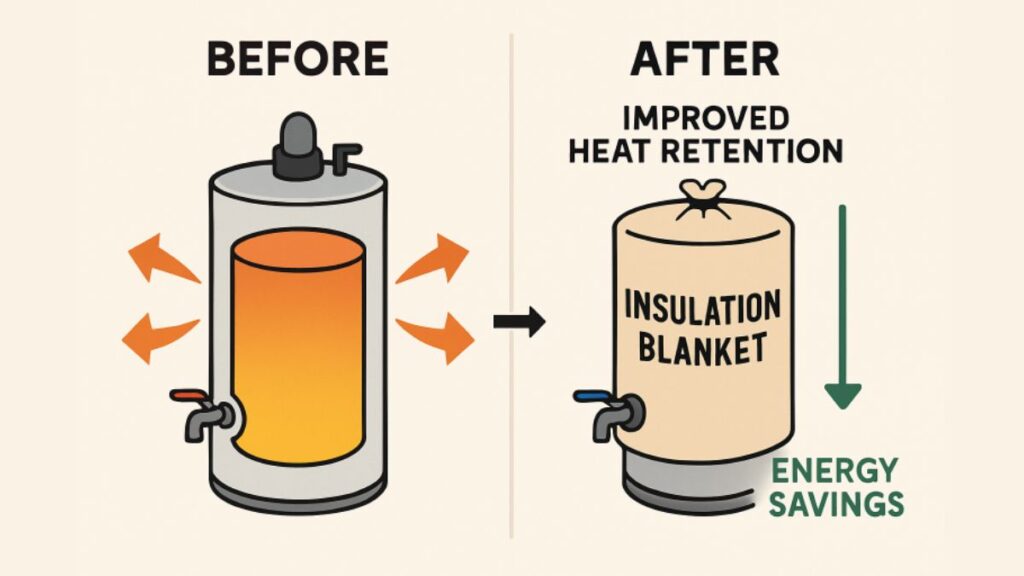
Older water heaters often lack adequate insulation, leading to heat loss and unnecessary energy consumption. Wrapping your tank with an insulation blanket – and insulating the first few feet of pipes leading into and out of the heater – helps retain heat and maintain a more stable temperature. This easy upgrade can make a noticeable difference in your heater’s performance, especially during colder months.
Insulation Benefits
- Reduces standby heat loss
- Lowers energy costs
- Improves hot water consistency, especially in winter
Adjust the Thermostat
Factory preset temperatures of 140°F are usually higher than necessary for most households. By setting the water heater thermostat to 120°F, you can reduce energy use, avoid scalding accidents, and minimize mineral deposits that form at higher temperatures. This simple step promotes safer water use and can reduce water-heating costs by up to 10% annually.
Install Low-Flow Fixtures
The amount of hot water you use directly affects how hard your water heater has to work. Upgrading to low-flow showerheads and faucets reduces hot water use without sacrificing performance. Modern low-flow fixtures are designed to provide satisfying pressure while reducing both water and energy consumption. Over time, these fixtures help lower your bills and put less strain on your water heater.
Use Cold Water for Laundry
Washing clothes with cold water is one of the simplest ways to conserve energy and reduce wear on your water heater. Most detergents available today are engineered to perform well in cold temperatures, ensuring a thorough clean without the need for heated water. Switching to cold water for laundry not only benefits your water heater but also helps preserve the colors and fabrics in your clothing.
Consider Upgrading to an Energy-Efficient Model
If your water heater is over a decade old, its efficiency is likely below today’s industry standards. Modern energy-efficient models, especially heat pump water heaters, provide hot water only when needed and can significantly reduce energy expenditure. When choosing a new water heater, the U.S. Department of Energy offers guidance on selecting models that balance efficiency and performance. Upgrading may also make you eligible for rebates or tax incentives, depending on your location and the system you choose.
Install a Water Heater Timer
Many households keep water heaters running 24/7 even when hot water isn’t needed. Installing a programmable timer allows you to run your water heater during high-demand periods—like mornings and evenings—and turn it off overnight or while you’re away. By minimizing standby losses, you can save significant amounts on your monthly energy bill while ensuring hot water is ready when you need it most.
Fix Leaky Faucets Promptly
Even minor leaks from faucets or pipes can add up to hundreds of gallons of wasted hot water over time. Promptly repairing drips and leaks not only relieves pressure on your water heater and prevents inflated utility costs but also reduces the risk of water damage and mold around your fixtures. For step-by-step guidance on fixing common faucet leaks, you can follow this helpful resource from This Old House, making quick action both practical and effective.
By routinely implementing these smart, accessible steps, homeowners can extend the life of their water heater, improve overall efficiency, and save on energy costs year-round.