
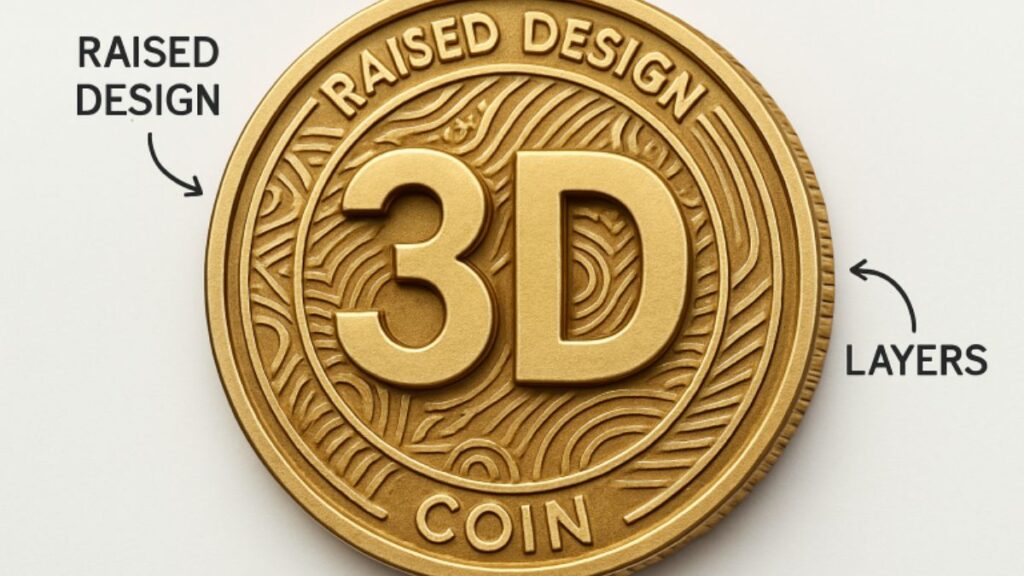
The world of modern coinage is undergoing a renaissance powered by the fusion of time-honored artistry and state-of-the-art technology. In particular, collectors and creators alike are captivated by the rise of 3D coins, which transcend the traditional boundaries of flat, two-dimensional minting. These coins employ sculpted relief and multi-layered engraving to bring complex narratives and visuals to life, captivating the imagination of enthusiasts everywhere. The move toward 3D challenge coins offers a tactile, visually stunning experience that highlights just how far the craft has evolved from its ancient roots.
Such transformation is indicative not only of the creative potential behind numismatics but also of how closely advances in technology shape artistic possibilities. By integrating innovative materials and artistic techniques, modern minters can create intricate, miniature masterpieces that delight both connoisseurs and the casual observer. Now more than ever, a coin can be a display piece, a conversation starter, and a cherished collectible rolled into one remarkable object.
Beyond pure artistry, 3D coins also play significant roles in commemorative and symbolic functions, from honoring historical milestones to conveying complex stories through their dimensional details. This emerging art form contributes to the greater appreciation of coins as vehicles for both tradition and innovation.
As we explore the art and craftsmanship of modern 3D coins, it becomes clear how these objects serve not merely as currency but as living relics that encapsulate progress in technology, design, and cultural storytelling. With the popularity of collectible coins rising steadily in recent years, the potential for 3D coins to set new standards across the numismatic landscape seems greater than ever.
Evolution of Coin Design
Coins, as objects of trade and art, have always reflected the technological and cultural context of their era. From the ancient hammered coins produced by hand to the precision-stamped proofs of the 20th century, each phase of minting history has pushed artisans to innovate. Traditionally, the coin’s design relied on relief—the raised elements atop a flat surface—to depict monarchs, symbols, and events. However, this approach, while iconic, posed inherent limitations on how deeply stories and images could be rendered into metal.
The late 20th and early 21st centuries witnessed the emergence of computer-aided design (CAD) in numismatics, enabling intricate detailing and precise reproduction. Today, 3D technology has propelled the field into uncharted territory, allowing coins to feature deep sculptural reliefs, multiple levels, and visually engaging forms that are impossible on standard coins. The leap from drawing and etching to modeling and 3D printing has redefined both the creative and technical processes of minting.
Technological Advancements in 3D Coin Production
The process of producing 3D coins merges traditional minting expertise with breakthrough technological tools. Advanced engraving machines, high-resolution 3D printers, and laser etching have become standard in many premier mints. These methods enable artists to achieve depth, texture, and shape at a microscopic level, producing coins that almost seem to leap from their presentation cases.
Modern 3D coin creation often begins with a highly detailed digital model. Using CAD software, designers sculpt the subject with precision before minting and transforming these virtual visions into physical dies. Specialized presses and unique alloys subsequently ensure that every contour, plane, and shadow is faithfully rendered in the final piece. Innovative materials—ranging from layered metals to selective color application—enhance visual impact and ensure longevity. These modern advancements have made possible what once seemed unimaginable for limited-edition collectibles and currency alike.
Notable Examples of Modern 3D Coins
The burgeoning interest in 3D coins is reflected in the variety of stunning pieces created by leading mints worldwide. The Pressburg Mint’s recent showcase at the World Money Fair 2025 unveiled coins that blend architectural inspiration with sculpted relief—their work exemplifies how mints are redefining the collector’s experience.
Another standout is Germania Mint’s Artefacts Series, which pushes boundaries with its use of multi-layered structures and mixed metals. These coins often serve not merely as objects to be stored in albums but as centerpiece collectibles worthy of display.
Even government mints have entered the fold, producing commemorative pieces that honor everything from lunar exploration to historic sporting events, demonstrating that the appeal of 3D coins extends beyond private collectors to official channels and public celebrations.
Collecting 3D Coins
The market for 3D challenge coins and other advanced numismatic pieces has seen significant growth. Collectors are drawn not only by the artistry but also by the limited mintage and thematic focus of many 3D coins. Since mintages are often low and designs can be highly detailed or personalized, many pieces become sought-after rarities soon after release.
Experts suggest paying close attention to the mint of origin, the intricacy of the craftsmanship, and the certification accompanying each coin. Like any collectible, provenance, authenticity, and preservation standards are crucial when assessing value and ensuring future appreciation. The field’s relative novelty means that new collectors have ample opportunities to enter while innovative pieces are still accessible.
Future Trends in 3D Coinage
Looking ahead, 3D coin artistry is expected to keep evolving as technology creates new artistic frontiers and production techniques. Hybrid coins incorporating features such as embedded gemstones, holographic details, and interactive elements are beginning to appear, signaling the next chapter in collectible coin design.
Sustainability is also coming to the forefront, with mints sourcing ethical metals and employing environmentally conscious production methods—innovations that are sure to appeal to the next generation of collectors. As the broader popularity of custom mementos and commemorative tokens continues to grow, the demand for intricately designed 3D coins is likely to flourish well into the future.
Conclusion
Modern 3D coins have fundamentally redefined what it means to collect and admire numismatic art. By bridging the gap between age-old minting practices and boundary-pushing technology, artists and engineers are crafting coins that inspire as much as they commemorate. For anyone interested in artistry, history, and innovation, these coins remain some of the most compelling artifacts of our time.