A roof is one of the most significant components of any building. It serves as the primary barrier against rain, snow, wind, and sun. Despite its vital role, many property owners neglect this structure until a leak appears or shingles go missing. Treating a roof as an afterthought is a costly mistake. Regular maintenance is not just about fixing problems. It is about preventing them. By prioritizing the care of your roof, you protect the structural integrity of the entire building and safeguard your financial investment.
Why Regular Inspections Matter
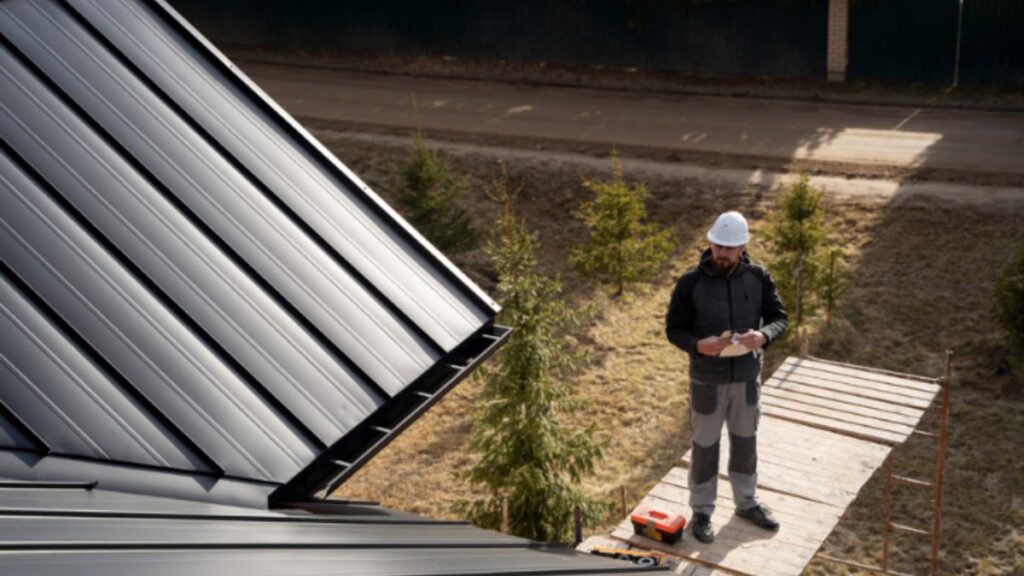
The first step in any maintenance plan is a thorough inspection. Most roofing issues develop slowly over time. Small cracks, loose flashing, or minor granule loss are easy to miss from the ground. However, these small imperfections can eventually lead to significant water damage.
Scheduling professional inspections at least twice a year is a smart strategy. The best times are typically spring and autumn. Spring inspections reveal damage caused by winter storms, while autumn checks ensure the roof is ready for the colder months ahead. A professional eye can spot potential weak points that an untrained observer would likely overlook. Catching these issues early allows for minor repairs that cost a fraction of a full replacement.
Extending the Lifespan of the Roof
Replacing a roof is a major expense. It involves significant labor, materials, and disruption to daily life. Therefore, it makes financial sense to keep the existing roof in good condition for as long as possible. Neglect accelerates aging. Debris that sits on the surface can trap moisture, leading to rot and mold growth. Moss and algae can eat away at roofing materials, causing them to deteriorate prematurely.
Routine cleaning and maintenance remove these threats. Keeping gutters clear ensures that water drains away from the structure properly. Trimming overhanging tree branches prevents abrasion and reduces the risk of impact damage during storms. These simple actions add years to the functional life of the roof, delaying the need for a costly capital expenditure.
Protecting the Interior Structure
The roof does not just protect itself. It protects everything underneath it. When a roof fails, water infiltration is the immediate result. Water is a destructive force. It can ruin insulation, rendering it ineffective and driving up energy bills. It damages drywall, causing unsightly stains and crumbling.
More seriously, water intrusion can compromise the structural elements of the building. Wood rot in the attic or wall framing weakens the overall stability of the house. Electrical systems are also at risk when water enters the walls. By maintaining the roof, you are essentially waterproofing the entire property. This vigilance prevents a small exterior problem from becoming a massive interior disaster.
Energy Efficiency and Cost Savings
A well-maintained roof contributes to a more energy-efficient home. Proper ventilation and insulation are key components of a roofing system. If vents are blocked by debris or if insulation becomes wet due to leaks, the temperature regulation of the building suffers. This forces heating and cooling systems to work harder, increasing energy consumption and utility costs.
Reflective surfaces on cool roofs can also lose effectiveness if they are covered in dirt or grime. Keeping the surface clean maintains its ability to reflect sunlight, which helps keep the building cooler in summer. Whether you have standard shingles or high-end luxury roof tiles, maintaining the integrity of the materials ensures they perform as designed.
Enhancing Curb Appeal and Property Value
The condition of the roof plays a massive role in the overall aesthetic of a property. A roof covered in moss, with missing shingles or sagging gutters, sends a negative message. It suggests that the property has not been cared for. This can be a major turn-off for potential buyers if you ever decide to sell.
Conversely, a clean and well-maintained roof enhances curb appeal. It signals to prospective buyers that the home is in good condition. Documentation of regular maintenance can also be a valuable asset during a sale. It provides proof that the major systems of the house have been looked after, giving buyers confidence and potentially justifying a higher asking price.
The Cost of Inaction
Ignoring roof maintenance is often a gamble that property owners lose. The cost of emergency repairs is almost always higher than the cost of preventative care. Emergency situations often occur during severe weather when demand for roofers is high, driving up prices. Furthermore, the damage from a sudden failure often extends beyond the roof itself to include interior repairs and replacement of personal property.
Investing in regular maintenance is a prudent financial decision. It changes the approach from reactive to proactive. Instead of waiting for a disaster, you manage the asset strategically. This approach saves money in the long run, ensures the safety of the occupants, and provides peace of mind knowing that the home is secure against the elements.