
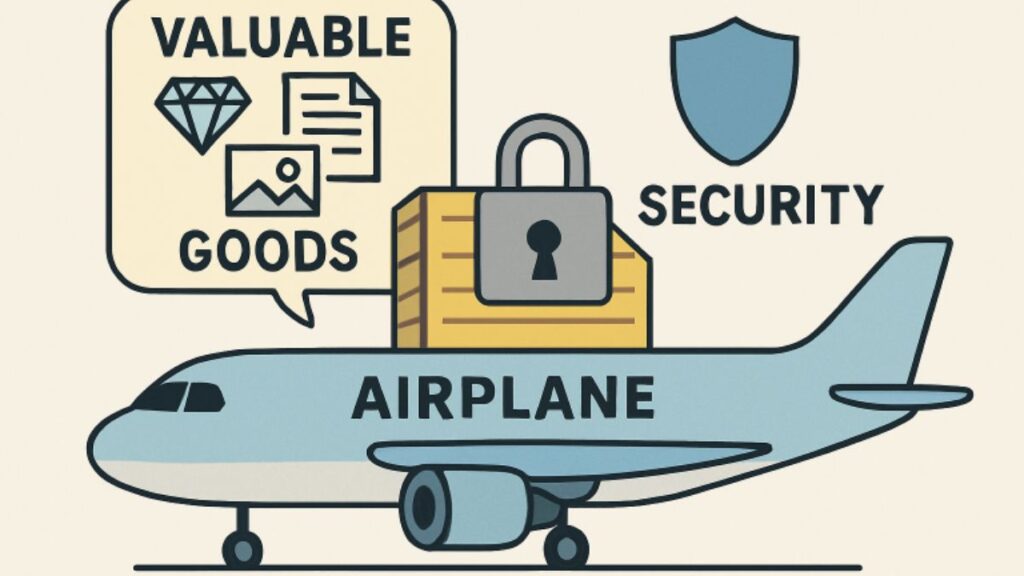
The safe transport of high-value items by air is a complex undertaking that demands thorough planning, rigorous security standards, and strategic risk mitigation. With the global economy relying on air freight to move precious commodities swiftly across continents, businesses face increased pressure to safeguard these shipments from theft, loss, and damage. To ensure security and peace of mind, many organizations leverage specialized cargo charter flight services designed to handle valuable cargo with discretion and care.
Protecting such shipments is not only about locking down physical assets; it also requires robust protocols, expert coordination among vetted carriers, and real-time visibility from origin to destination. As the industry evolves, technological advancements and a tightening web of international regulations have reshaped how high-value goods are transported, monitored, and delivered. This guide highlights essential strategies and compliance tips for managing valuable air cargo, whether you are moving luxury goods, confidential documents, rare artworks, or other priceless items.
Understanding the Challenges
The movement of high-value cargo by air introduces a range of obstacles far more exacting than those with general freight. These shipments can be targets for organized crime, susceptible to transit damage, and subject to a patchwork of international legal requirements. According to the International Air Transport Association (IATA), the air cargo industry is responsible for moving over 33 percent of the world’s trade by value, which equates to over $8 trillion annually. This immense volume further emphasizes the need for advanced security protocols and vigilant oversight.
Incidents such as theft and tampering are not isolated. They can have significant legal, financial, and reputational repercussions for shippers and logistics partners. Ensuring that all those handling the cargo are thoroughly vetted and well-trained is the first line of defense. Additionally, cargo handlers and airport staff must be aware of the distinct storage and transport requirements these goods entail, as even minor mishandling can significantly reduce their value or render them irreparable.
Advanced Security Measures
Security for high-value air cargo starts with the packaging and documentation but extends to every phase of the journey. Tamper-evident seals, specialized containers, and RFID-enabled locks provide a robust physical barrier. These measures are often supplemented by confidential shipment details shared only with select personnel, limiting opportunities for internal leaks. Many logistics specialists now deploy GPS-enabled tracking devices alongside environmental sensors that monitor shock, humidity, and temperature in real time, enabling immediate alerts if the shipment is disturbed or deviates from its prescribed route.
Cybersecurity is as critical as physical protection. Digitized manifests, encrypted communication, and access-controlled systems keep shipment information secure from unauthorized access. Regular security audits and compliance checks help ensure that protocols keep pace with both regulatory requirements and evolving threats. Collaborative industry efforts, such as those supported by regulatory bodies and security organizations, provide shared intelligence and ensure the adoption of up-to-date best practices.
Compliance with International Regulations
Adhering to international rules is essential not only for lawful transport but also for streamlining a shipment’s passage through customs and regulatory agencies. The IATA Dangerous Goods Regulations (DGR) specify requirements for labeling, packaging, and documentation of sensitive and valuable items. For exporters and importers alike, understanding how these regulations apply can prevent delays, fines, and cargo seizures.
Customs authorities in different countries may have unique procedures or require pre-arrival notifications for high-value shipments. Working with logistics partners who stay up to date on cross-border policies can help navigate these complexities. Comprehensive compliance can also reduce physical inspection rates, protecting cargo from unnecessary handling and exposure. For more details on international trade policies, visit U.S. Customs and Border Protection.
Real-Time Tracking and Monitoring
Modern tracking platforms provide visibility and control, giving shippers a constant stream of real-time data. By integrating Internet of Things (IoT) sensors, companies can monitor location, environmental conditions, and unauthorized access alerts in real time. These technological advances significantly enhance the ability to respond proactively if the cargo deviates from its intended route or environment, minimizing losses and expediting resolution.
In the event of unforeseen incidents, such tracking technology provides a digital paper trail for faster claims processing and insurance settlements. This visibility also contributes to improved business intelligence, informing future security strategies and contract negotiations. According to The Wall Street Journal, proactive tracking has become increasingly crucial amid persistent global threats of high-value cargo theft.
Collaborating with Certified Carriers
Trusted, certified carriers provide an additional level of assurance for high-value shipments. Partners should be selected based on their adherence to international security standards, such as those outlined by IATA and regional civil aviation authorities. These carriers deploy trained staff, secure transport vehicles, and monitored handling facilities that minimize risk.
WestJet Cargo’s Safe’Air service is one example, offering dedicated solutions for transporting valuable goods with tailored security protocols. Regardless of the partner, ongoing performance evaluations and open communication are essential for maintaining alignment on expectations, performance benchmarks, and incident response planning.
Conclusion
The protection and delivery of valuable cargo by air rests on a foundation of proactive planning, robust security, and uncompromising compliance. By understanding the risks and leveraging advanced technology, shippers can achieve better outcomes for their customers and protect every shipment from potential threats. Engaging with experienced carriers and taking a strategic, collaborative approach further ensures that each high-value item arrives safely and securely at its final destination.