
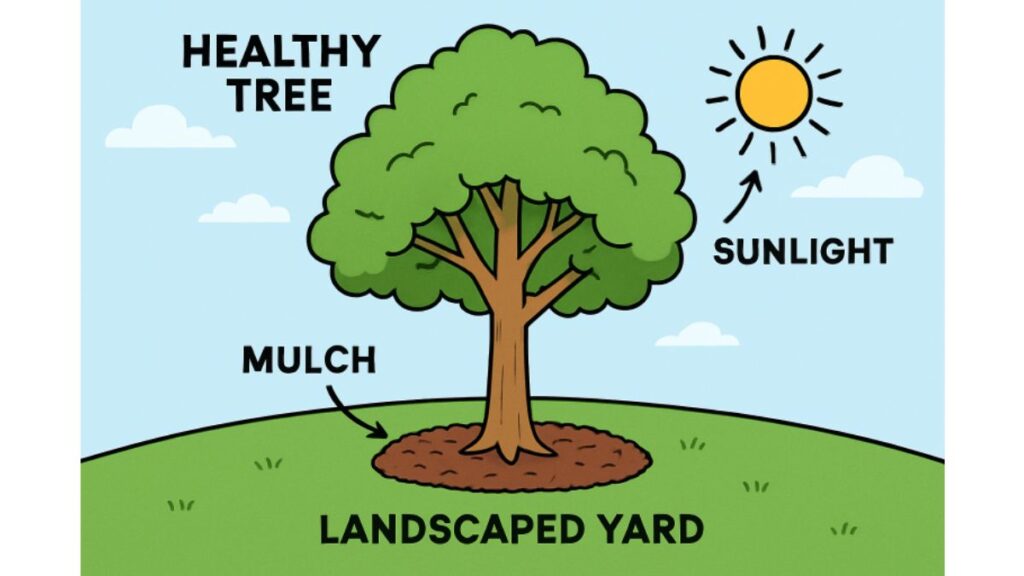
Healthy trees are the backbone of beautiful landscapes, offering shade, habitat, clean air, and increased property value to homeowners. Whether you’re a seasoned gardener or new to tree care, understanding the essentials is vital for cultivating resilient, thriving trees. For those seeking hands-on support, a reliable tree service in Pineville, NC can help ensure your trees receive the proper attention and care they need for long-term health and beauty. Proactively caring for your landscape’s trees is one of the best investments you can make—not only for your property but also for the broader local ecosystem.
Proper tree care requires more than just occasional pruning. The decisions you make when selecting, planting, watering, and maintaining trees have a significant impact on their health, lifespan, and pest resistance. This guide provides actionable advice to help you avoid common mistakes and promote ongoing success. Before planting or performing any maintenance, learn about your landscape, climate, and soil, as each property is unique. Focused care can mean the difference between thriving and long-term problems. Additionally, understanding specific interventions, such as fertilization and periodic checks, enhances tree growth and resilience.
Selecting the Right Tree
Selecting the proper tree species for your location is one of the most crucial first steps, and pairing that choice with an appropriate tree fertilization service can further support the long-term health of your trees. Begin by assessing your local climate, soil type, available sunlight, and space. Choose species that are native or well-adapted to your region, as they tend to be more resilient and less susceptible to pests and diseases. Native trees also foster healthier ecosystems by supporting local wildlife and reducing the need for chemical treatments. University extension programs and local botanical gardens are excellent resources for making informed choices.
Proper Planting Techniques
Correct planting serves as the foundation for healthy tree growth. Dig a hole that is twice as wide as the root ball but no deeper, ensuring the root flare is level with the surrounding soil. Remove any burlap, cords, or wire baskets from the root ball to prevent restriction as the tree matures. Gently loosen the roots to encourage outward growth. Avoid compacting the soil when backfilling, as good soil structure allows roots to breathe and absorb moisture efficiently. Improper planting is a leading cause of tree decline in urban landscapes.
Watering Wisely
Water is vital to a tree’s survival, but both overwatering and underwatering can stunt growth and foster disease. Newly planted trees typically need more consistent irrigation, with deep watering reaching the full root zone once or twice a week. Established trees benefit from less frequent, deeper soakings. Always check that the soil is moist but not soggy; roots require both water and oxygen. Using a soil probe or even your hand is an easy way to assess moisture levels.
Mulching Matters
Mulching offers multiple benefits, including moisture retention, weed suppression, and relief from temperature extremes. Use 2–4 inches of organic mulch and spread it in a donut shape around the tree, keeping mulch a few inches away from the trunk to prevent moisture buildup against the bark and root diseases. Avoid piling mulch against the trunk, which can cause rot or attract pests. Organic mulches such as wood chips or shredded leaves are ideal, as they break down and enrich the soil over time.
Pruning Practices
Proper pruning encourages healthy structure, removes weak or diseased limbs, and increases airflow throughout the canopy. Pruning should generally be done during the dormant season (late winter for most species) when the tree’s growth is slowed, which helps minimize stress. Use sharp, clean tools and make cuts as close as possible to the branch collar. Never “top” trees or cut major limbs indiscriminately, as this leads to weak regrowth and increased risk of decay.
Protecting Against Pests and Diseases
Vigilant monitoring is crucial for the early detection and treatment of pest infestations and diseases. Look for changes in leaf color, wilting, holes in leaves, cankers, or visible signs of insects. If issues arise, consult a certified arborist who can recommend integrated pest management practices and environmentally sensitive treatments. Most tree health problems can be managed without harsh chemicals if caught early and addressed promptly.
Seasonal Care
Adjust your tree care routine to the changing seasons. In fall, continue to water trees until the ground freezes, and spread a fresh layer of mulch to insulate roots. In winter, protect young or sensitive trees from animal damage with wraps or guards. Come spring, inspect for winter damage and prune away deadwood. Summer is the ideal time for monitoring pests, proper watering, and checking for stress—especially during heatwaves.
Regular Inspections
Make it a habit to walk your landscape and inspect your trees at least a few times a year. Pay attention to signs of stress, such as premature leaf drop, discolored leaves, cracks in the bark, or visible fungi. Early intervention often prevents minor problems from developing into serious health threats. Consulting local arborists or tree experts can provide professional insight and peace of mind.
Trees are long-term investments in the health, beauty, and value of your property. With the right knowledge and ongoing care, you can enjoy flourishing landscapes for generations to come.
Conclusion
Healthy trees are the result of thoughtful planning, proper planting, and consistent care over time. By selecting suitable species, following correct planting techniques, watering and mulching appropriately, and staying vigilant for pruning, pest control, and seasonal needs, homeowners can significantly enhance tree longevity and resilience. Regular inspections and early intervention help prevent minor issues from becoming costly problems. With a proactive and informed approach, trees can thrive for decades, enhancing both the environmental value and visual appeal of any landscape.