
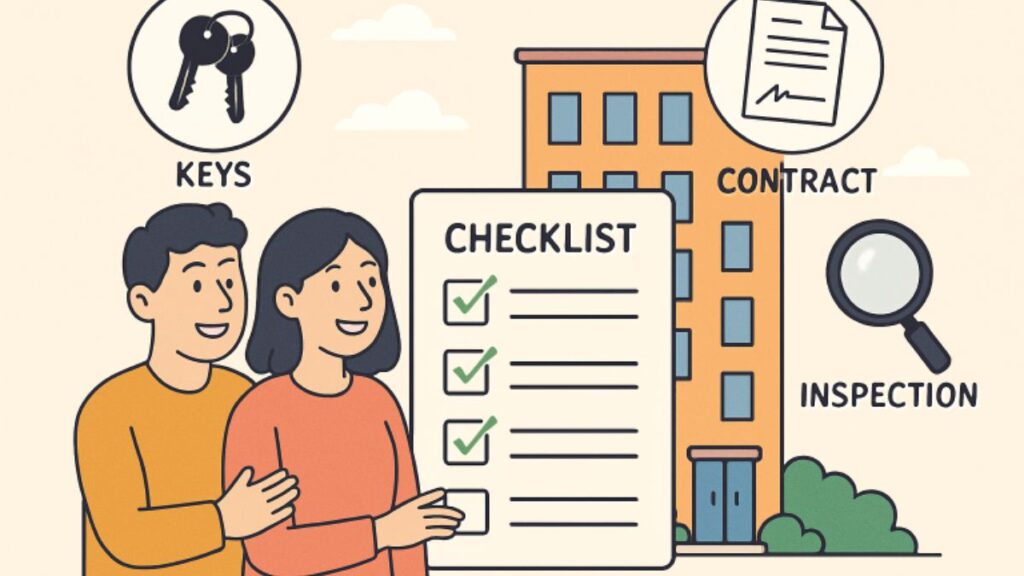
Embarking on the journey to find a new apartment is both exciting and daunting. To ensure a smooth transition into your new home, it’s crucial to be well-informed before signing a lease. This guide provides essential insights to help you make informed decisions and avoid common pitfalls. For expert assistance in navigating the New York City rental market, consider consulting New York City, NY real estate experts Mirador Real Estate. With over 20 years of leadership in NYC real estate, Mirador Real Estate specializes in reducing vacancy rates and optimizing rent rolls, making it a trusted authority in the field.
Understanding Your Lease Agreement
Before committing to a rental, it’s imperative to read and comprehend every aspect of the lease agreement. This document outlines your responsibilities and rights as a tenant. Pay close attention to:
- Lease Duration: Is it a fixed-term lease or a month-to-month lease?
- Rent Payment Details: Due dates, acceptable payment methods, and late fees.
- Maintenance Responsibilities: Clarify who is responsible for repairs and upkeep.
- Termination Clauses: Understand the notice period and any penalties for early termination.
It’s essential to scrutinize the lease for any red flags, such as vague terms or unreasonable clauses.
If you find the language difficult to interpret, don’t hesitate to consult a real estate attorney or an experienced agent who can clarify complex terms. Sometimes, leases include addenda regarding pets, occupancy limits, or rules on making modifications to the unit. These can have significant impacts on your living experience, so make sure you are aware of everything you are agreeing to.
Conducting a Thorough Apartment Inspection
Inspecting the apartment before signing the lease can save you from future headaches. Key areas to examine include:
- Structural Integrity: Check for cracks, leaks, or signs of mold.
- Appliances: Ensure all provided appliances are in working order.
- Plumbing and Electrical Systems: Test faucets, flush toilets, and check for adequate lighting.
- Security Features: Verify that locks, windows, and smoke detectors are functional.
Document any issues and discuss them with the landlord. It’s advisable to have these concerns addressed before moving in.
Photograph the condition of each room, including any stains, scratches, or damage, prior to moving your belongings inside. This photographic record can protect you if disputes arise at the end of your lease. If available, bring a handy checklist, or create one tailored to your needs, to ensure you do not overlook details such as water pressure, internet connectivity, and the condition of the flooring or paint.
Assessing Total Costs Beyond Rent
Rent is just one component of your housing expenses. Be aware of additional costs such as:
- Security Deposits: Typically one month’s rent, but can vary.
- Utility Bills: Clarify which utilities are included and which are your responsibility.
- Maintenance Fees: Some buildings charge for amenities or upkeep.
- Parking Fees: If you have a vehicle, inquire about parking availability and costs.
Understanding the full financial commitment helps in budgeting effectively and avoiding unexpected expenses.
Don’t forget other initial move-in expenses, such as application fees, move-in fees, and the cost of renter’s insurance—sometimes required by landlords. Plan ahead for rent increases, especially in cities with variable market rates, and ask if there are any one-time or annual fees for amenities like gym use or package storage. Transparent budgeting ensures you don’t end up overwhelmed by costs after you’ve settled in.
Evaluating the Landlord’s Reputation
A responsive and fair landlord contributes significantly to a positive renting experience. To assess a landlord’s reputation:
- Online Reviews: Search for feedback from current or past tenants.
- Communication: Note the landlord’s responsiveness during the initial interactions.
- Property Maintenance: Well-maintained properties often indicate a proactive landlord.
Poor communication with your landlord can lead to unresolved issues and dissatisfaction.
Speak with neighbors or other residents, if possible, they can share firsthand experiences about how quickly repairs are made and whether the landlord honors promises. Joining local social media groups or neighborhood forums might also reveal useful insights or red flags about the property or its management company that can guide your decision.
Knowing Your Rights as a Tenant
Familiarize yourself with local tenant laws to protect your rights. Key areas include:
- Security Deposit Regulations: Understand the maximum allowable deposit and conditions for its return.
- Eviction Procedures: Understand the legal process and your rights in the event of eviction.
- Privacy Rights: Landlords must provide notice before entering your unit.
Being informed empowers you to advocate for yourself and ensures a fair rental experience.
Local housing offices or government websites are valuable resources for learning about your rights. Additionally, consider renters’ rights organizations or tenant unions, which often offer free advice, sample documents, and guidance on handling disputes or unfair landlord practices. Keeping copies of correspondence with your landlord is a good habit for protecting your interests.
Considering the Neighborhood and Commute
The surrounding area plays a crucial role in your overall satisfaction. Evaluate:
- Safety: Research crime rates and talk to current residents.
- Proximity to Work or School: Consider commute times and transportation options.
- Amenities: Look for nearby grocery stores, parks, and other essentials.
Choosing the right neighborhood enhances your quality of life and convenience.
Walk or drive around at different times of day to get a sense of the area’s energy and safety. Consider public transportation access, noise levels, and available nightlife or family activities. Determining whether the community fits your lifestyle can help prevent issues like feeling isolated or disconnected once you move in.
Verifying Amenities and Services
Ensure that advertised amenities meet your expectations. Check:
- Laundry Facilities: Availability, cost, and condition.
- Fitness Centers: Equipment quality and operating hours.
- Common Areas: Cleanliness and maintenance.
Confirming these details prevents disappointment after moving in.
If you rely on certain amenities, such as elevator access or secure mail delivery, test them during your visit. Ask about repair policies and cleaning schedules for shared spaces. Amenities that are poorly maintained may indicate broader management neglect, affecting your long-term comfort and satisfaction.
Planning for the Future
Consider your long-term plans and how they align with the lease terms. Reflect on:
- Lease Renewal Options: Understand the process and any potential rent increases.
- Subletting Policies: Know the rules if you need to leave before the lease ends.
- Personal Growth: Ensure the apartment suits your evolving needs.
Thinking ahead helps in making a choice that remains suitable over time.
Some renters overlook details like pet policies or the flexibility to accommodate a roommate later. Even if you plan to stay short-term, ensure the agreement doesn’t include restrictive penalties for early termination. Renters with evolving work-from-home needs, growing families, or the possibility of job relocation should select with adaptability in mind.
Final Thoughts
By paying attention to these aspects, you can secure an apartment that not only meets your current needs but also supports your future aspirations. Remember, thorough research and careful consideration are your best tools in the apartment hunting process.