
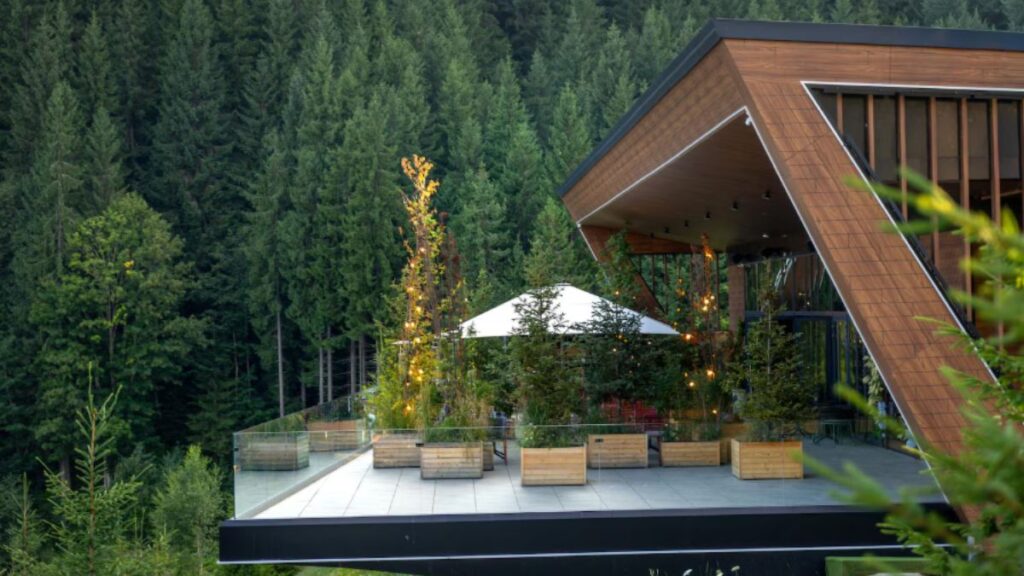
Embracing the tranquility of lakefront living invites homeowners to fuse the natural beauty of their surroundings with cutting-edge design. Achieving harmony between sustainability and modern comfort is at the heart of these efforts, especially for those inspired by the expertise of a professional home builder in this unique environment. As ecological awareness grows, the importance of responsible design practices for waterfront residences becomes ever clearer.
These practices not only enhance everyday living but also protect the delicate balance of lakeside ecosystems. With the right approach, homeowners can enjoy innovative, eco-friendly homes that fit seamlessly into their natural context and conserve the shoreline for generations to come. Sustainable lakefront home design blends environmental responsibility with long-term practicality. By thinking carefully about materials, energy use, and landscape preservation, residents can contribute positively to their local habitat. This approach does not mean sacrificing comfort or style, but rather seeking out new ways to live in balance with nature’s rhythms. For those looking to bring these visions to life, consulting a qualified building contractor with experience in lakefront projects ensures proper execution and maximizes the benefits of sustainable practices.
Choosing Sustainable Materials
Material selection is a foundational step in sustainable construction. Opting for renewable or locally sourced resources such as cross-laminated timber (CLT), reclaimed wood, stone, or recycled metals reduces both transportation emissions and environmental degradation. CLT and other engineered woods provide strength while locking in carbon, creating healthier indoor environments and long-term resilience. A well-known example is the All-Wood Lakefront Residence in Connecticut, which demonstrates how wooden structures can offer durability and natural aesthetics without sacrificing environmental integrity. Local sourcing also supports regional economies while minimizing the build’s overall carbon footprint.
Implementing Energy-Efficient Systems
Modern lakefront homes are ideal candidates for a range of energy-saving technologies. Geothermal heating and cooling tap into stable underground temperatures, while solar panels offer renewable electricity right at home. Advanced insulation and high-performance windows also play a vital role, allowing homeowners to maintain ideal indoor climates with minimal energy use. An inspiring model for these principles is the Vale Living with Lakes Center in Sudbury, Ontario, which utilizes both geothermal wells and a super-insulated building envelope to achieve LEED Platinum certification. By investing in these systems, residents benefit from lower utility bills and shrink their homes’ carbon footprints.
Harmonizing with the Natural Landscape
Thoughtful design is crucial for creating homes that respect the land. Maintaining existing trees and shoreline vegetation helps prevent erosion and supports local wildlife habitats. Combining native plantings with carefully selected construction materials enables homeowners to establish a seamless transition between indoor and outdoor spaces. In New Hampshire, the Lake Winnipesaukee home illustrates this approach. Its blend of contemporary layouts and traditional lakefront style creates aesthetic harmony and ensures the home sits gently within its surroundings. The American Society of Landscape Architects provides additional insights on integrating architecture with natural settings.
Effective Water Management Strategies
Managing water runoff and protecting water quality are especially important in lakeside environments. Features like green roofs, permeable driveways, and rain gardens slow the flow of stormwater, filtering pollutants naturally before they reach the lake—smart site planning, such as positioning hardscapes away from sensitive shoreline zones, further limits ecological disruption. The Vale Living with Lakes Center showcases successful stormwater management through green roofs and sustainable landscaping. These strategies not only protect the lake’s health but also enhance resilience against extreme weather events.
Maximizing Views and Natural Light
Modern lakefront homes are often designed with expansive windows, open floor plans, and thoughtful room orientations to capture the beauty of their setting. Large glass doors blur the boundary between indoors and outdoors, inviting natural light while framing stunning water views. The All-Wood Lakefront Residence harnesses these architectural ideas, using oversized windows and glazed walls to showcase the shifting light and lake reflections. Positioning living and gathering spaces to face the water deepens the sense of tranquility and connection to nature.
Case Studies of Sustainable Lakefront Homes
- All-Wood Lakefront Residence: Connecticut’s example of an all-timber structure merges CLT technology with insulation made from natural fibers, offering strength and superior energy performance.
- Vale Living with Lakes Center: Ontario’s educational facility features geothermal wells, green roofs, and drought-resistant landscaping to achieve exemplary environmental standards.
- Lake Winnipesaukee Home: This New Hampshire residence exemplifies how modern and traditional elements can combine, showing respect for the land while providing all the comforts of a lakeside retreat.
Conclusion
Designing and building sustainable lakefront homes is about more than just blending aesthetics with function. It requires a commitment to protecting local ecosystems, reducing energy consumption, and maximizing inhabitants’ enjoyment of their natural surroundings. By thoughtfully choosing building materials, using energy-efficient systems, preserving the landscape, managing water runoff, and maximizing natural light, lakefront homeowners can lead the way in eco-friendly living. Incorporating renewable energy sources, such as solar panels or geothermal systems, can further reduce a home’s environmental footprint while improving long-term energy savings. Careful site planning also helps minimize shoreline disruption and protect local wildlife habitats. In addition, integrating smart home technology enables more efficient resource management across heating and cooling and water use. Ultimately, sustainable lakefront design not only enhances comfort and property value but also ensures that these beautiful natural environments are preserved for future generations to enjoy responsibly.