
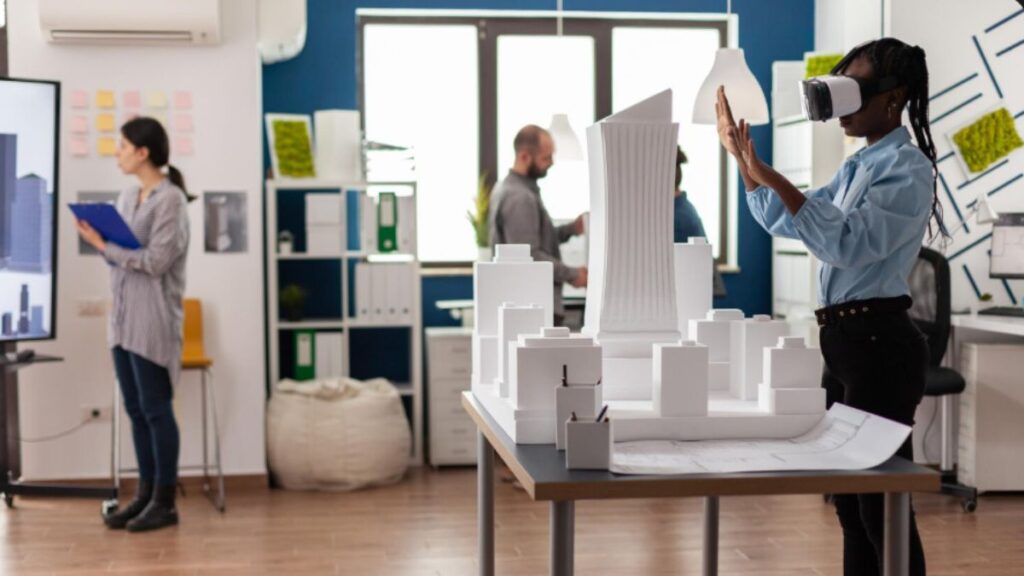
The commercial construction landscape is evolving rapidly thanks to technological advancements, shifting economic forces, and a growing emphasis on sustainability. For business leaders and project managers, understanding these emerging trends is vital for designing forward-thinking spaces that fulfill current demands and anticipate future needs. As commercial spaces are transformed, engaging experienced commercial general contractors is now more important than ever to navigate these changes efficiently.
As expectations for functionality, environmental stewardship, and flexibility grow, companies must remain informed to avoid missing opportunities for efficiency, savings, and innovation. Whether upgrading older offices or planning brand-new developments, staying ahead of these trends helps create resilient outcomes and adds inherent value for years to come.
While many trends are emerging in the commercial sphere, lessons from the residential sector continue to drive quality and customization. For example, the experience gained from working with a custom home builder can be valuable when translating those personalization and quality-control standards into commercial projects.
Sustainable Building Practices
The focus on sustainability is reshaping how companies approach construction projects of all sizes. From design to material sourcing and waste reduction, commercial builders now prioritize green strategies. The use of renewable materials, high-efficiency HVAC systems, and eco-friendly lighting is rising, driven by both regulatory frameworks and market demand. Adopting these practices provides long-term benefits, including energy savings, reduced operating costs, increased occupant well-being, and a better reputation with employees and the public.
Technological Integration
The adoption of advanced technology has been a catalyst for change in commercial construction. Digital tools such as Building Information Modeling (BIM) enable precise planning, reducing errors and material waste. IoT devices and sensors are making buildings smarter, enabling live energy monitoring, access control, and automated environments geared toward productivity and safety. Artificial Intelligence and machine learning continue to streamline project management and building operations, helping firms deliver projects on time and within budget.
Modular and Prefabricated Construction
Labor constraints and rising costs have led to an increased interest in modular and off-site prefabricated construction methods. These solutions offer shorter construction timelines, reduced on-site disruption, and higher quality control standards. Especially for projects facing tight schedules or sites with logistical challenges, prefabrication helps keep costs predictable and can accommodate unique designs. As building elements are manufactured in controlled settings and assembled on-site, businesses benefit from less waste and more efficient processes.
Adaptive Reuse of Existing Structures
Adaptive reuse is gaining popularity as a sustainable, cost-effective strategy for urban development. Instead of large-scale demolition, this approach transforms existing structures for new purposes, such as converting warehouses into vibrant office communities or turning old retail units into health clinics. This approach not only minimizes the carbon footprint linked to new building projects but also helps retain important architectural elements that reflect a community’s history. Adaptive reuse is especially attractive in cities with limited available land, as it promotes the preservation of local heritage and fosters positive community relations.
Labor Shortages and Innovative Solutions
The construction industry continues to face significant challenges due to workforce shortages, a trend that has intensified over recent years. To bridge the gap, companies are investing in upskilling programs and workforce training to equip the next generation for modern construction jobs. Automation, robotics, and technology-assisted labor are stepping in to supplement human effort for repetitive or hazardous tasks. Examples include bricklaying robots and drones used for site surveying, both of which improve efficiency and keep workers safe in demanding environments.
Economic Factors Influencing Construction
Market conditions have an undeniable impact on commercial construction. Interest rates, inflation, and shifting supply chain costs can delay projects or necessitate changes in strategy. Even so, sectors such as data centers and healthcare facilities are experiencing strong growth as the business landscape adapts to increased digital dependence and population needs. Careful risk management and value engineering are now central to successful outcomes as businesses seek reliable investment strategies amid economic fluctuations.
Focus on Flexible and Multi-Use Spaces
Modern commercial properties are increasingly designed for adaptability. The rise of remote work, hybrid offices, and fluctuating consumer trends has driven demand for spaces that can rapidly shift between uses. Whether it is a co-working space that transforms into an event venue or a retail area that becomes a pop-up experience, flexibility ensures maximum utility and long-term tenant satisfaction. Smart layouts and movable infrastructure are critical in allowing businesses to pivot quickly as requirements evolve.
Conclusion
As the commercial construction sector continues its rapid evolution, staying up to date with key trends is essential for businesses aiming for sustainable success. Embracing new technologies, prioritizing sustainability, and creating flexible environments not only meet the current demands of businesses and tenants but also prepare them for the challenges and opportunities that lie ahead. Monitoring these changes and working closely with industry experts can help organizations deliver commercial spaces that are resilient, efficient, and positioned for the future.