Maintaining a private well water system ils not just about convenience. It is a critical step for ensuring a consistently safe and clean water supply for your household. Regular well maintenance also helps prevent unexpected breakdowns, costly repairs, and health hazards caused by contaminated water. Whether you are managing routine tasks yourself or considering replacing a well pump in Tampa, FL, following a structured plan benefits your water quality and your peace of mind. The natural environment surrounding your well and the complexity of modern water systems make upkeep essential. Every season brings unique challenges, from freezing pipes in winter to surface water intrusion during heavy spring rains. Addressing these proactively safeguards your investment and health. Additionally, well owners must keep their treatment systems in peak condition and store accurate maintenance records. This ongoing commitment extends the system’s lifespan and ensures your water meets safety standards year after year. For private well owners looking to improve their maintenance routine, including a regular schedule is just as crucial as understanding when to consult a professional.
Monthly Maintenance Tasks
Early detection of minor problems prevents them from escalating into major system failures. Monthly checks focus on practical steps that well owners can typically manage:
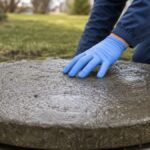
- Visual Inspection: Examine the wellhead for visible signs of wear, damage, or tampering, which can allow contaminants to enter.
- Water Quality Observation: Fill a clear glass with tap water and closely inspect it for any unusual odors, discoloration, or cloudiness. Oddities should prompt immediate laboratory testing.
- Water Softener Maintenance: Regularly check and refill the brine tank with salt. Ensure the tank is clean and free from salt bridges that can hinder performance.
Seasonal Maintenance Guidelines
Adjusting your maintenance practices with the seasons allows you to tackle issues brought about by temperature fluctuations, increased water use, and environmental changes:
Spring
- Water Testing: Conduct an annual test for contaminants, especially coliform bacteria, nitrates, and pH levels. Spring is ideal due to potential runoff from melting snow and increased rainfall.
- Wellhead Inspection: Closely examine the cap and seals for any breaks or deterioration that could let in surface water.
Summer
- Monitor Water Levels: Elevated usage during hot months can stress your system. Track pressure and water supply to ensure neither drops unexpectedly.
- Pump Performance: Watch for rapid or extended cycling of your pump, as this may indicate underlying issues.
Fall
- Winterization: Prepare for cold weather by insulating exposed pipes. Make sure pump houses or any above-ground components are adequately heated.
- Pressure Tank Check: Test the air charge in your pressure tank to help your system handle fluctuations without straining the pump.
Winter
- Prevent Freezing: Run heating or insulation in the pump house as needed. Frozen pipes can lead to major repairs and even damage the well system itself.
- Snow Removal: Regularly clear snow or ice away from the wellhead to keep it accessible and prevent melting runoff from contaminating the well.
Annual Professional Inspection
Annual assessments from a licensed well contractor catch issues beyond what you may notice during routine checks. Professionals will inspect the wellhead, casing integrity, pump performance, and the accuracy of your pressure switch. They also review your latest test results for bacterial or chemical contamination. Scheduling this inspection is a wise investment in the health of your water supply, as recommended by the United States Environmental Protection Agency.
Maintaining Water Treatment Systems
Many private wells require filtration or disinfection devices to deliver safe, high-quality water. Each treatment system has specific maintenance needs:
- Sediment Filters: Change sediment filter cartridges every 1 to 3 months or more frequently if your water contains visible particles.
- UV Systems: Replace the bulb yearly. Over time, UV light loses its effectiveness even if the bulb still shines.
- Reverse Osmosis Systems: Change pre- and post-filters every 6 to 12 months and sanitize the unit during each filter replacement.
Record Keeping
Document all inspections, filter changes, annual water tests, and any repairs performed to maintain a clear and organized history of your well system. Good records not only help you stay proactive with maintenance and ensure nothing is overlooked, but they also make it easier to identify patterns or recurring issues over time. This documentation can be especially valuable for diagnosing system problems, enabling technicians to make faster, more accurate repairs. In addition, detailed maintenance records add transparency and value if you decide to sell your property, giving potential buyers confidence in the condition and care of the water system.
Conclusion
Year-round care is vital for anyone relying on a private well water system. Through consistent monthly routines, seasonal adjustments, and annual professional inspections, you can ensure your water remains clean, safe, and reliable while your system operates efficiently. Regular testing, pump checks, and filter maintenance help identify issues early before they become costly problems or health risks. Keeping your well in optimal condition also means following recommended safety guidelines and responding quickly to changes in water taste, color, or pressure. Proper upkeep not only extends the lifespan of your equipment but also protects your property value and reduces long-term repair expenses. By staying proactive and informed, well owners can maintain a dependable water supply that supports their household needs while safeguarding their family’s health and overall well-being for many years to come.