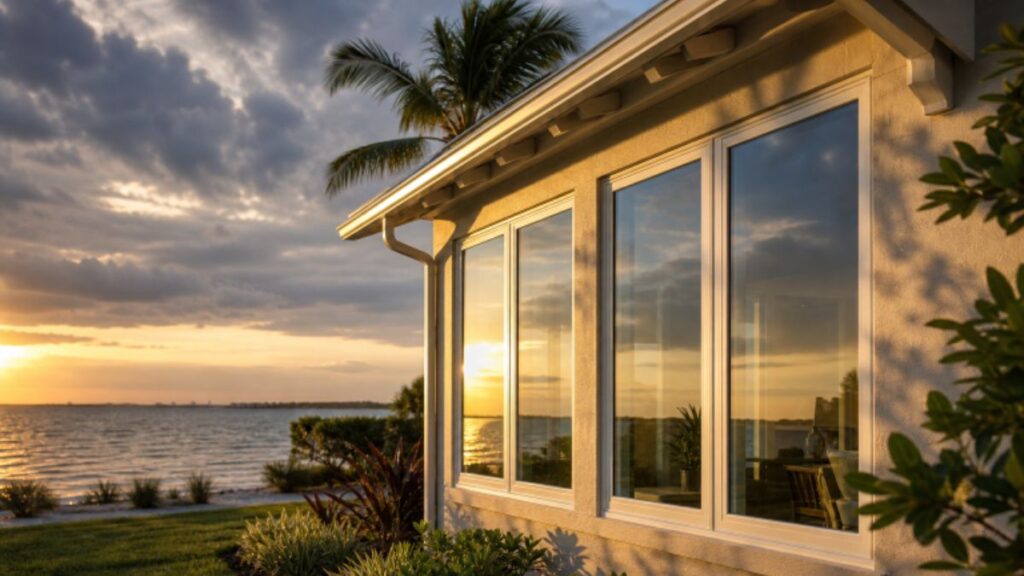
Choosing new windows for a coastal Florida property involves more than selecting a frame color or finding the lowest quote. Windows are part of the building envelope, so the right system can help manage wind-driven rain, flying debris, solar heat, noise, and daily wear.
For homeowners comparing impact resistant windows West Palm Beach, Saturno Glass And Mirror Co., Inc. is a family-owned glass company serving West Palm Beach, Palm Beach County, and nearby communities. Its impact-resistant window service focuses on replacement systems designed for coastal conditions, making it a useful local reference when evaluating window glass, frames, and installation needs.
Why Storm-Ready Windows Matter
When a window fails during a severe storm, the concern is not limited to broken glass. Wind, rain, and debris can enter the opening, while pressure changes may add stress to other parts of the structure. Storm-ready products are intended to reduce this vulnerability, but no window can guarantee that a property will avoid all storm damage.
Consider an older Florida home with single-pane glass, loose frames, worn weatherstripping, and rooms that feel hot by midafternoon. A properly specified replacement system may improve the strength and seal of those openings while also making the home more comfortable between storms.
How Impact-Rated Windows Work
Impact-rated windows commonly use laminated glass, which consists of glass layers bonded to a durable interlayer. A heavy strike may crack the outer glass, yet the interlayer can help hold broken pieces together and maintain a barrier. The frame, glazing, locks, fasteners, sealants, and wall opening must also perform together.
High-impact windows are one component of broader hurricane-resilient construction. FEMA has documented how stronger building measures, including protected openings, can support safer performance in hurricane-prone communities. Learn more through this FEMA hurricane mitigation case study.
Features To Compare Before Buying
Glass, Frames, And Ratings
- Glass construction: Review laminated layers, glass thickness, tint, and low-emissivity coatings.
- Frame material: Aluminum, vinyl, and fiberglass can differ in strength, maintenance requirements, appearance, and cost.
- Design pressure: This rating relates to resistance to wind pressure. It should suit the opening size, location, and building conditions.
- Impact testing: Confirm that the complete assembly, not just the glass, has appropriate wind-borne debris testing.
Water, Air, Hardware, And Warranty
- Ask about water resistance, air leakage, drainage paths, and pressure cycling performance.
- Inspect the quality of locks, hinges, rollers, handles, and anchoring components.
- Compare warranty terms for frames, glass, hardware, insulated-glass seal failure, and installation labor.
Code, Testing, And Product Approval
A wind-speed claim on a sales sheet is not enough to establish suitability. Property owners should verify local requirements, product approval documentation, installation instructions, permit responsibilities, and inspection needs. The Florida Building Commission provides building code resources and product approval tools to help guide those conversations.
Replacement work is rarely as simple as removing an old unit and installing a new one. Sill deterioration, an out-of-square opening, weak framing, incorrect fastener spacing, or improper sealing can affect both compliance and performance.
Energy Savings And Everyday Comfort
Storm-ready windows can provide advantages that extend beyond protection during severe weather. Low-emissivity coatings, insulated glass units, tighter seals, and solar-control features can help limit heat entering through sun-exposed glass, potentially improving indoor comfort. Many property owners also appreciate reduced outdoor noise, added UV protection that helps limit fading of furniture and flooring, and stronger resistance to forced entry. However, impact-resistant or storm-rated windows do not automatically guarantee lower utility costs. Energy performance depends on several factors, including window area, home orientation, exterior shading, thermostat settings, HVAC efficiency, roof condition, ductwork, insulation levels, and installation quality. A properly selected and professionally installed window system can complement these factors and contribute to more consistent indoor temperatures and overall comfort.
Choosing A Window Style And Planning Installation
Select styles according to ventilation, emergency operation, cleaning access, furniture placement, and sunlight exposure. Single-hung windows are familiar and simple. Horizontal sliders work well where outward opening is limited. Casements can provide broad ventilation, while picture windows suit fixed views. Architectural shapes and sliding glass doors may require more specialized measuring, hardware selection, and pricing.
What Quality Installation Includes
- Inspect frames, sills, drainage paths, walls, and signs of water damage.
- Measure every opening individually.
- Match the approved product and rating to each opening.
- Plan permits, documents, and inspections before removal begins.
- Repair damaged materials, then follow the manufacturer’s instructions for shims, anchors, sealants, and spacing.
- Test operation, locks, weather seals, drainage, and finish quality at completion.
Budget Planning And Questions To Ask
Replacement costs vary by opening size, style, glass package, frame material, accessibility, repairs, permits, and finish work. Request a written estimate that separates the units, removal and disposal, structural or sill repairs, permit support, interior and exterior finishing, and warranty coverage. Replacing several vulnerable openings is a different project from upgrading every window and sliding door.
- Which product approvals apply to this property?
- What design pressure rating is recommended for each opening?
- Who handles permits and inspections?
- How will hidden water damage or an uneven opening be addressed?
- What installation work and product components are covered by warranty?
- How will the crew protect flooring, landscaping, and interior finishes?
A Simple Pre-Purchase Checklist
- Inspect and measure every opening.
- Identify applicable wind, code, and permit requirements.
- Compare complete systems, including glass, frame, hardware, and ratings.
- Request product approvals and installation details in writing.
- Compare complete estimates rather than unit prices alone.
- Review warranty terms, maintenance needs, and project timing before severe weather approaches.
The best storm-ready window is one that fits the property, meets applicable requirements, supports everyday comfort, and is installed correctly. Inspect current windows, gather written product information, and speak with a qualified local professional before placing an order.