
Understanding Stress and Its Impact
Stress affects people physically and mentally, regardless of age or lifestyle. Whether stemming from work, relationships, or daily responsibilities, chronic stress can manifest in the body as muscle tension, headaches, fatigue, and even long-term health challenges such as hypertension and depression. Left unmanaged, this state can upset natural hormonal balance, contributing to a cycle of mental and physical strain. Incorporating therapeutic practices such as mobile chair massage Reno, NV into your wellness strategy can be an effective and convenient way to address these issues without disrupting your routine.
Modern society amplifies stress through constant connectivity, information overload, and fast-paced lifestyles. Addressing these stressors proactively can prevent chronic health issues. Therapeutic massage is notable among stress management methods because it alleviates physical discomfort and emotional tension with targeted techniques.
Chronic stress increases cortisol, the main stress hormone, which can impair immunity and accelerate aging. Managing stress improves life quality and health, making massage therapy a simple, effective addition to self-care.
Besides physical tension, ongoing stress harms mental clarity and emotional resilience. Massage benefits both body and mind by helping the body relax, shifting from alertness to calm. Studies confirm these effects are immediate and cumulative with regular practice.
How Therapeutic Massage Alleviates Stress
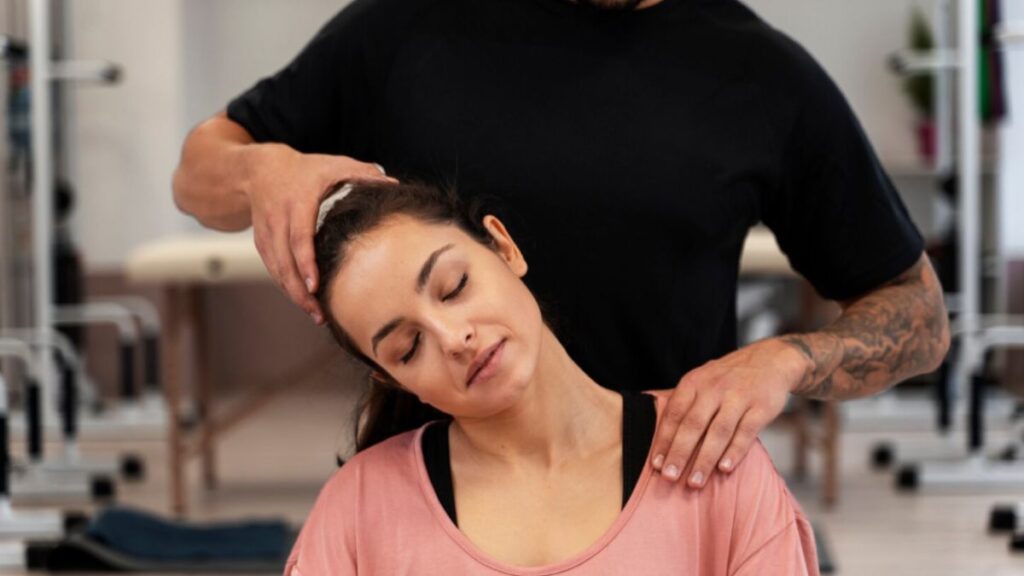
Therapeutic massage uses the manipulation of soft tissue to relieve discomfort, lower muscle tension, and promote calmness throughout the mind and body. Research demonstrates that massage therapy effectively lowers cortisol and increases neurotransmitters such as serotonin and dopamine—chemicals essential for mood stabilization and relaxation. With this hormonal shift, individuals report feeling less anxious, more grounded, and emotionally balanced. These benefits can be observed after even short massage sessions, but become more pronounced with consistent therapy over time.
Types of Massage Techniques for Stress Relief
Not all massage techniques are the same, and each offers distinct advantages depending on individual needs. Choosing the right method maximizes the therapeutic effect:
- Swedish Massage: Prioritizes slow, gentle strokes and kneading to encourage relaxation and enhance circulation throughout the body.
- Deep Tissue Massage: Applies greater pressure to reach the deeper layers of muscle, targeting chronic tension, knots, and pain.
- Trigger Point Therapy: Uses focused pressure on tight muscle fibers or “trigger points” that cause discomfort and referred pain in other areas.
These methods can be adapted and combined by skilled therapists to meet clients’ unique stress-relief goals. Understanding your personal stress patterns and preferences will help your therapist recommend a tailored approach.
Scientific Evidence Supporting Massage for Stress Reduction
Studies illustrate the physiological and psychological benefits of massage therapy. Research published by Medical News Today highlights that even brief, ten-minute massage sessions activate the parasympathetic nervous system, which is responsible for ‘rest and digest’ responses in the body. This activation results in lower heart rate, slower breathing, and reduced muscle tension, creating a state conducive to relaxation and recovery. The evidence suggests that regular exposure to massage therapy can bolster stress resilience and foster long-term relaxation.
The American Massage Therapy Association notes that, beyond subjective feelings of calm, measurable reductions in stress hormones and improvements in mood markers provide clear scientific support for massage as a valuable component of any stress-reduction plan.
Additional Health Benefits of Massage Therapy
Beyond relieving stress, therapeutic massage offers an array of health benefits that support overall well-being:
- Pain Management: Proven effective in addressing chronic pain conditions, including lower back pain and tension headaches, which are often stress-related.
- Improved Sleep: Frequent massage sessions can enhance the quality and duration of sleep by calming the nervous system and easing muscular tension.
- Enhanced Immune Function: Massage may improve immune function by stimulating natural killer cell activity, the body’s first line of defense against illness.
By addressing not just the symptoms but also the root causes of stress and discomfort, regular massage therapy can serve as a protective factor against both mental and physical burnout.
Incorporating Massage into Your Wellness Routine
To fully experience the stress-relieving advantages of massage, a thoughtful approach to integration is essential:
- Consult a Professional: A licensed massage therapist will help assess your needs and recommend the techniques best suited to your stress profile and health history.
- Establish a Schedule: Frequent, regular appointments, such as weekly or biweekly, are ideal for building long-term stress resistance and muscular relaxation.
- Combine with Other Practices: For best results, blend massage therapy with complementary practices such as yoga, deep breathing exercises, or meditation. These practices work synergistically to amplify relaxation and mental clarity.
When consistently practiced, massage can become a cornerstone of holistic self-care and resilience against the pressures of everyday life. Even those with the busiest schedules can find relief by utilizing mobile or workplace massage options, making stress reduction accessible and practical.
Conclusion
Therapeutic massage is not just a luxury, but an effective tool for managing stress and promoting lasting health. By introducing regular massage sessions into your routine, you can gain meaningful improvements in relaxation, mood, sleep, and pain management. From relieving tension in sore muscles to fostering biochemical changes that nurture emotional well-being, massage therapy equips you to handle life’s challenges with greater ease and vitality.