A Colorado mountain home can deliver the wooded setting, trail access, and four-season recreation many buyers want, but a beautiful showing is only the beginning of the decision. In the Winter Park area, practical details such as winter access, heating, water systems, and community rules can shape everyday ownership just as much as the view. Buyers comparing homes in Winter Park, Fraser, Tabernash, Granby, and Grand Lake can benefit from local guidance early in the process. Winter Park, CO, real estate agents. The Simple Life Colorado is a Colorado real estate company with home-search, valuation, buying, and selling resources, plus a focus on mountain communities throughout the Fraser Valley and nearby Grand County. The Simple Life Colorado’s familiarity with local neighborhoods, property types, and access considerations can help buyers ask better questions before they commit.
A Mountain Home Is More Than A View
Mountain properties often have systems and responsibilities that are less visible during a quick tour. A smart purchase weighs the lifestyle you want against the work, risk, and costs required to keep the home comfortable and usable year-round. Use the following review process before writing an offer.
Start With The Daily Lifestyle Test
First, define the home’s role. A full-time residence has different requirements than a weekend retreat, a future retirement home, or a rental-oriented property. Consider the real travel time to groceries, medical care, schools, work, restaurants, and the outdoor activities that drew you to the area. Visit more than once if possible. A sunny Saturday can feel very different from a weekday morning, a stormy afternoon, or a quiet shoulder-season visit. Think through where vehicles, skis, bikes, firewood, groceries, and winter gear will go. Reliable internet, a workable home office, and enough storage can matter greatly for a full-time household.
Review Road Access And Winter Travel
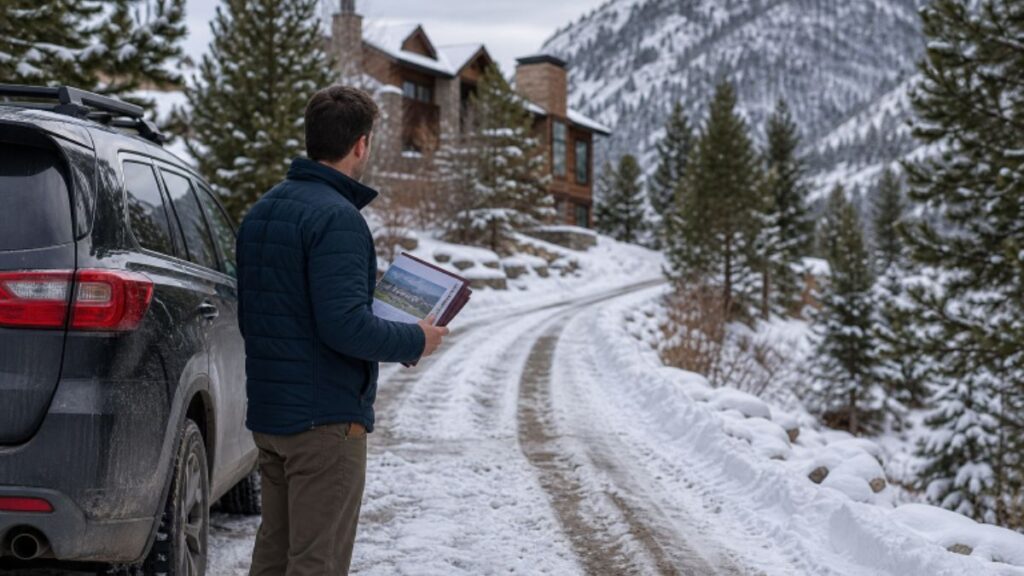
Ask exactly who owns, maintains, and plows the road and driveway. A route may be public, private, gated, or shared among several owners. Request written information about maintenance agreements, dues, plowing arrangements, and any special assessments connected to road work.
- Drive the route in both directions and note steep grades, narrow turns, bridges, and limited sightlines.
- Check whether emergency vehicles and delivery services can reasonably reach the home.
- Ask where snow is stored after plowing and whether the driveway has enough room to turn around.
- Consider whether your preferred vehicle, tires, and comfort level match the route in winter conditions.
Confirm Water, Sewer, And Utilities
Find out whether the property uses municipal water and sewer, a community system, a private well, septic, propane, or another arrangement. Ask for available well records, water-quality reports, septic permits, inspection reports, pumping history, utility bills, and service agreements. Water deserves special attention because a specialized system governs Colorado water rights. Confirm what transfers with the property, whether there are well permits or shared-well agreements, and whether any limits affect irrigation, livestock, additions, or future improvements. For shared systems, identify who handles repairs and how costs are divided.
Price Insurance Before Writing An Offer
Do not wait until the end of the inspection period to seek an insurance quote. Give an insurer the property address and ask about replacement cost, wildfire exposure, roof condition requirements, deductibles, water damage, backup coverage, and loss-of-use protection. For condos and townhomes, compare your individual policy needs with the HOA master policy. The Colorado Division of Insurance provides homeowner and HOA insurance information that can help buyers prepare informed questions. Obtain the proposed coverage and exclusions in writing, then factor the premium and deductible into the ownership budget rather than treating them as an afterthought.
Inspect For Mountain Wear
Choose qualified inspectors and specialists who understand high-elevation conditions. A thorough review should look beyond cosmetic updates and focus on how the home handles snow, cold, moisture, and power interruptions.
- Roof age, flashing, drainage, snow-load design, and ice-dam concerns.
- Heating equipment, fireplaces, chimneys, boilers, propane systems, and backup heat.
- Insulation, windows, crawl spaces, exposed pipes, and ventilation.
- Grading, drainage, foundation movement, retaining walls, decks, stairs, and railings.
- Radon testing, generator condition, electrical capacity, and backup-power plans.
Read HOA Rules And Community Costs
An HOA can provide useful services, but it can also set meaningful limits. Review the governing documents, current budget, reserve information, meeting minutes, insurance coverage, and recent assessment notices. Ask whether dues have changed recently and what they cover, such as roads, snow removal, roofs, siding, landscaping, drainage, or shared utilities. Read rules for short-term rentals, pets, parking, exterior changes, wood-burning appliances, snow storage, and remodeling. A lower monthly fee is not automatically a better value if the association lacks reserves for predictable common-area repairs.
Think Carefully About Rental And Resale Potential
Do not assume a mountain property can be rented because it is near a recreation destination. Review local rules, permit requirements, occupancy limits, HOA restrictions, lender requirements, and insurance implications before counting on rental revenue. Build estimates using realistic vacancy periods and include management, cleaning, utilities, taxes, repairs, and supplies. For future resale, practical features often widen the buyer pool. Dependable access, strong internet, covered parking, storage, manageable stairs, sound mechanical systems, and clear utility arrangements can be as persuasive as a dramatic setting.
Compare The Full Monthly Cost
Create a complete ownership budget that includes mortgage principal and interest, property taxes, insurance, HOA dues, utilities, internet, propane or other heating fuel, snow removal, road fees, maintenance, travel, and emergency repairs. Test the budget against a costly winter, a major repair, and several months when you cannot use or rent the home.
Match The Home To Your Long-Term Plan
Finally, ask whether the property will still work in five or ten years. Consider stairs, parking, bedroom placement, remote-work needs, mobility, family changes, and the ability to manage seasonal upkeep. Before closing, confirm title documents, easements, covenants, permits, inspections, insurance, water records, and current costs. A mountain home that supports both your plans and your budget is more likely to remain a rewarding Colorado retreat for years to come.
Conclusion
Choosing a Colorado mountain home requires more than falling in love with the views or recreational access. Buyers should carefully evaluate winter road conditions, heating systems, water and sewer arrangements, insurance, property condition, HOA rules, rental restrictions, and the full cost of year-round ownership. Visiting the property under different conditions and asking detailed questions about maintenance and utilities can reveal challenges that a quick showing may miss. It is also important to consider whether the home will continue to fit your lifestyle, budget, and plans several years from now. By completing thorough inspections, reviewing documents, verifying local requirements, and planning for unexpected expenses, buyers can make a more confident decision. The best Winter Park-area mountain home is one that combines the setting you love with the practical reliability and financial sustainability needed to enjoy it through every season.