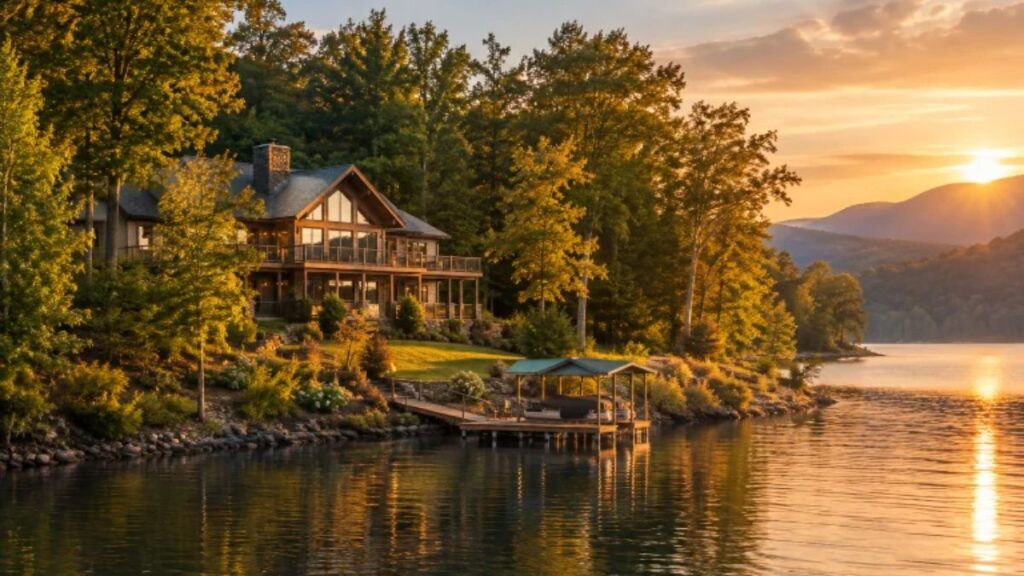
Lake Chatuge offers the kind of mountain-and-water setting that can make a home search feel emotional fast. Before falling in love with a view, buyers should confirm how the property will function in daily life, through changing seasons, and over the long term. For an area-specific perspective, Lake Chatuge real estate agent Melissa Jenkins Stillwell with Chattooga Real Estate provides property search, buying, and selling information, as well as community information, for Western North Carolina and Northeast Georgia. That regional focus is especially useful when comparing lakefront homes, mountain cabins, and homes near Hayesville, Brasstown, and Hiawassee.
A well-chosen lake home is more than a place to launch a boat or enjoy a sunset. It should have clear access rights, dependable systems, manageable ownership costs, and practical routes to the services your household uses most.
Table Of Contents
- Start With The Lifestyle You Want
- Know What Waterfront Really Means
- Calculate The True Cost Of Ownership
- Check Shoreline Access, Docks, And Easements
- Review Septic, Well, And Water Systems
- Research Insurance And Property Risk
- Test The Home For Year-Round Use
- Build A Strong Due-Diligence Plan
- Final Buyer Checklist
1. Start With The Lifestyle You Want
Define the job the property needs to do before touring homes. A full-time residence, retirement home, weekend cabin, and occasional vacation rental can require very different features. Consider how often you will stay there, whether children, pets, or older relatives will visit, and whether boating, fishing, swimming, privacy, or proximity to town matters most.
Also think beyond the shoreline. Ask how far you are willing to drive for groceries, health care, repairs, and school or work commitments. If remote work is part of the plan, test internet availability and cell service at the home itself. The right Lake Chatuge property should support ordinary routines, not just a memorable showing day.
2. Know What “Waterfront” Really Means
Listing language can describe several very different relationships to the lake. “Waterfront” generally indicates that the parcel reaches the water or shoreline area, while “water view” means the lake is visible. “Water access” may involve a shared path, community lot, or easement. “Water privileges” may allow limited use of a shared dock, ramp, or recreation area.
Do not rely on a listing description alone. Review the deed, survey, title commitment, recorded easements, and applicable community documents. Confirm precisely what is owned, what is shared, and what another party controls.
3. Calculate The True Cost Of Ownership
The purchase price is only the starting point. Build an annual ownership worksheet before making an offer. Include mortgage payments, property taxes, homeowners insurance, possible flood insurance, utilities, septic pumping, well testing or treatment, dock maintenance, tree work, road assessments, and association dues.
A lower-priced home can cost more to own if it has a steep private drive, aging systems, limited access for contractors, or shoreline improvements that need attention. Request recent utility bills when available, then leave room in the budget for routine maintenance and unexpected repairs.
4. Check Shoreline Access, Docks, And Easements
A dock beside a home is not automatically a privately owned, transferable amenity. Determine whether it is owned, shared, leased, permitted, or maintained by an association. Ask whether the current setup can remain, whether repairs need approval, and whether rules limit boat size, storage, or use.
Questions To Ask Before You Commit
- Does the deed provide the claimed shoreline or access rights?
- Is there a recorded easement across the property or a neighboring parcel?
- Who pays for shared roads, ramps, retaining walls, and docks?
- Are clearing, grading, or shoreline improvements restricted?
- Can guests safely reach the water without difficult stairs or steep slopes?
5. Review Septic, Well, And Water Systems
Many mountain and lake homes rely on private wells and septic systems. Request permits, service records, inspection reports, and available system drawings. During due diligence, arrange a septic inspection and well-water testing suited to local conditions. The EPA explains how poorly functioning septic systems can affect wells, lakes, and other nearby water sources, making this review important for the home and lake environments.
Find the septic tank and drainfield, ask whether there is space for a replacement field, and verify whether any system is shared. If you may add bedrooms, build an accessory structure, or host frequent guests, confirm that the system capacity and permits support those plans.
6. Research Insurance And Property Risk
Request insurance quotes before removing major contingencies. Standard homeowners insurance may not include flood coverage, and eligibility, deductibles, and premiums vary by property. Review drainage patterns, retaining walls, culverts, slope conditions, and evidence of past water intrusion. Use the FEMA flood map service center to begin reviewing mapped flood information, then discuss the property’s specific requirements with an insurer, lender, and qualified local professionals.
Also ask about seasonal water-level changes, nearby dams or control structures, and who maintains private roads and bridges. A property’s setting can shape both its enjoyment and its exposure to maintenance responsibilities.
7. Test The Home For Year-Round Use
Visit at different times if possible. A bright summer afternoon may not reveal winter shade, rain-related driveway issues, frozen-pipe concerns, or nighttime navigation challenges. Drive the route after dark, check driveway turning space for service vehicles, and ask about trash pickup, road maintenance, and emergency access.
Picture an ordinary January workweek, not only a July weekend. A secluded cabin can be wonderful, but unreliable internet, a difficult drive, or a long trip for basic errands may not fit every household.
8. Build A Strong Due-Diligence Plan
- Review the survey, title documents, boundaries, and access easements.
- Inspect the home, roof, foundation, chimney, dock, shoreline, septic system, and well as appropriate.
- Read association rules, deed restrictions, rental policies, and dock regulations.
- Verify permits for additions, decks, docks, septic work, and other improvements.
- Obtain insurance quotes and recalculate the budget using inspection findings.
9. Final Lake Chatuge Home Buyer Checklist
- ☐ Water access and shoreline rights are confirmed by documents.
- ☐ Dock ownership, permits, and maintenance obligations are understood.
- ☐ Flood risk, insurance needs, and drainage concerns have been reviewed.
- ☐ Septic, well, and water records support the intended use.
- ☐ Roads, driveways, internet, and utilities work for year-round living.
- ☐ Inspections, restrictions, and annual costs fit the purchase decision.
Conclusion
Buying a Lake Chatuge home means balancing the appeal of mountain and waterfront living with the practical responsibilities of ownership. Confirm shoreline rights, dock arrangements, road access, septic and well condition, insurance requirements, and ongoing costs before committing to a property. Visiting in different seasons and arranging qualified inspections can also reveal issues that a scenic showing may not uncover. With careful due diligence and local real estate guidance, you can choose a home that offers the lake lifestyle you want while remaining comfortable and manageable for years to come.