Buying near Zilker Park in Austin, Texas, is about choosing a daily rhythm as much as choosing a house. Proximity to trails, Barton Springs, downtown workplaces, restaurants, and neighborhood streets can be appealing, but each block brings different considerations for traffic, parking, noise, home condition, and long-term costs.
Buyers beginning their search can review Zilker homes for sale through The Weiss Group, an Austin real estate advisory team that provides neighborhood-focused property search resources for Zilker, Barton Hills, Downtown, and other Central Texas communities. Their local market perspective can help buyers compare available homes, housing styles, and location details while keeping the decision centered on individual needs.
Why Home Price Is Only One Part of the Comparison
Two homes with similar asking prices may offer very different ownership experiences. One may have a larger lot, covered parking, mature trees, updated systems, and usable outdoor space. Another may have a more central address but limited storage, a steep driveway, higher monthly fees, or substantial renovation needs.
Near Zilker, buyers often balance lifestyle benefits against practical tradeoffs. Being close to a major park can make walks, bike rides, outdoor exercise, and gatherings easier to enjoy. It does not automatically mean that a particular home has the quiet, parking capacity, layout, or maintenance profile that fits a household.
Start With a Daily-Life Test
Before narrowing the search, picture a normal Tuesday rather than an ideal Saturday afternoon. Test the routines that will matter after move-in:
- Drive the work commute during a realistic travel window.
- Map trips to groceries, pharmacies, schools, child care, and medical care.
- Walk or bike the routes you expect to use, including after dark when appropriate.
- Visit during rush hour, on a weekend, and after a rain event, if possible.
- Consider guests, pets, remote work, deliveries, and household changes over the next several years.
Compare Neighborhoods Around Zilker Park
Zilker
Zilker may suit buyers who want a central South Austin location and frequent access to outdoor amenities. Housing can range from older homes and remodeled properties to newer construction, townhomes, and smaller-lot options. Compare individual streets for visitor parking, cut-through traffic, event-related activity, and the walkability of the route to the park.
Barton Hills
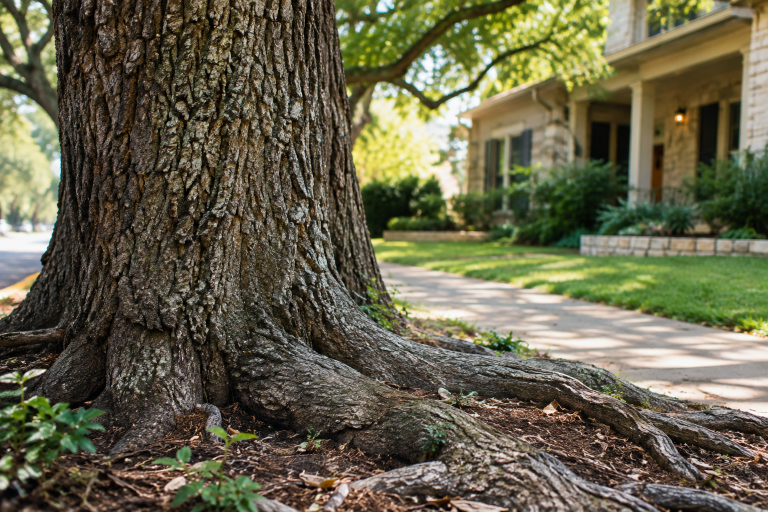
Barton Hills offers close connections to Zilker Park, Barton Springs, and trail access, with a more residential setting on many streets. Lot slope, tree cover, drainage, retaining features, and landscaping can vary meaningfully from one property to another. A home with mature landscaping may be beautiful, but buyers should also understand its upkeep requirements.
Bouldin Creek and Nearby South Austin
Bouldin Creek and nearby South Austin areas can offer a different balance of neighborhood businesses, dining, downtown access, cottages, modern homes, duplexes, and townhomes. Do not assume every street has the same feel. A few blocks can change the amount of traffic, shade, sidewalk continuity, commercial activity, and redevelopment pressure.
Downtown and Central Austin Alternatives
Downtown condos and townhomes can appeal to buyers who prioritize a shorter commute and lower exterior-maintenance responsibility. In exchange, they may involve association rules, monthly fees, shared walls, assigned parking, and less private outdoor space. Compare building reserves, parking arrangements, amenities, and planned maintenance before assuming a smaller home is the simpler option.
Review Park Access, Events, and Public Projects
Zilker Metropolitan Park is a major public destination with recreational facilities, trails, and large events. That activity can be part of the appeal, but it can also affect nearby driving routes and parking patterns. Buyers should review Zilker Park improvement projects before treating current conditions as permanent, especially when construction, restoration, accessibility work, or trail changes may influence access.
During a tour, ask how the block functions during festivals, holidays, and busy weekends. The answer can reveal whether a home is better suited to someone who enjoys a lively setting or someone who prefers greater separation from visitor activity.
Use a Property-Level Due Diligence Checklist
Neighborhood research is useful, but the exact address deserves equal attention. Review these items before making an offer:
- Floodplain designation, drainage paths, and prior water concerns.
- Foundation condition, roof age, major systems, and insurance history.
- Permits for additions, pools, accessory structures, and major remodels.
- Tree condition, utility easements, shared driveways, and boundary questions.
- Noise from roads, businesses, venues, or recurring events.
- Street parking rules, garage dimensions, and practical guest parking.
Use the official flood map service center to begin checking flood hazard information by address, then discuss the results with appropriate insurance, inspection, and real estate professionals.
Compare the True Monthly Cost
A complete ownership budget should include principal and interest, property taxes, homeowner’s insurance, potential flood coverage, HOA or condominium fees, utilities, maintenance, landscaping, repairs, and transportation costs. A lower-priced townhome with regular association dues may cost less time and money to maintain than a higher-priced house with aging systems and extensive outdoor upkeep. The right comparison is total monthly and long-term cost, not purchase price alone.
Consider Housing Type and Future Flexibility
Single-family homes, condos, townhomes, duplexes, and cottages each create different tradeoffs in privacy, maintenance, storage, parking, and resale flexibility. Look for features that can adapt, such as a usable office, guest room, separate entrance, flexible living area, or functional outdoor space. A home that works for the next five years may be more valuable to you than one that only fits today.
Questions to Ask During a Home Tour
- How does traffic change during major events and peak commute times?
- Where do visitors park, and what happens when guests arrive?
- Have there been drainage, flooding, or insurance issues?
- Which improvements were permitted, and which systems may need replacement?
- Are nearby lots likely to change through renovation or redevelopment?
- What does the practical route to parks, shops, schools, and transit feel like?
A Simple Neighborhood Scorecard
Rate each finalist from one to five based on commute and transportation, outdoor access, walkability, noise and event activity, home condition, taxes and insurance, parking and storage, resale flexibility, and fit for the next five years. Score the same categories for every home so a memorable kitchen or park view does not outweigh a major daily-life compromise.
Final Decision Framework
- Choose three neighborhoods that match your real routine.
- Set a complete monthly ownership budget.
- Tour multiple property types in each area.
- Research the home, its block, and its surrounding conditions.
- Review inspections, insurance, financing, and records before committing.
Buying near Zilker Park can place nature and central Austin amenities close to home. The strongest choice comes from comparing not only the neighborhood name or the first impression, but also the specific property, its ongoing costs, and how it supports the life you expect to lead there.