Water damage is a significant concern for homeowners, often leading to costly repairs and potential health issues if left unaddressed. Taking preventative steps and understanding how to respond to leaks or flooding can save time, money, and stress. For comprehensive guidance on water damage prevention and cleanup, knowing where to turn for resources and support is essential.
Unexpected water issues can disrupt daily life, compromise your home’s structure, and create an environment where mold and bacteria thrive. This underscores the importance of prompt action and routine maintenance for any household, regardless of age or location. Even with vigilant care, incidents can still occur, so being informed about immediate steps and recovery services can help minimize their impact.
Common Causes of Water Damage
Water damage can originate from a variety of sources in and around the home. Some of the most frequent culprits include:
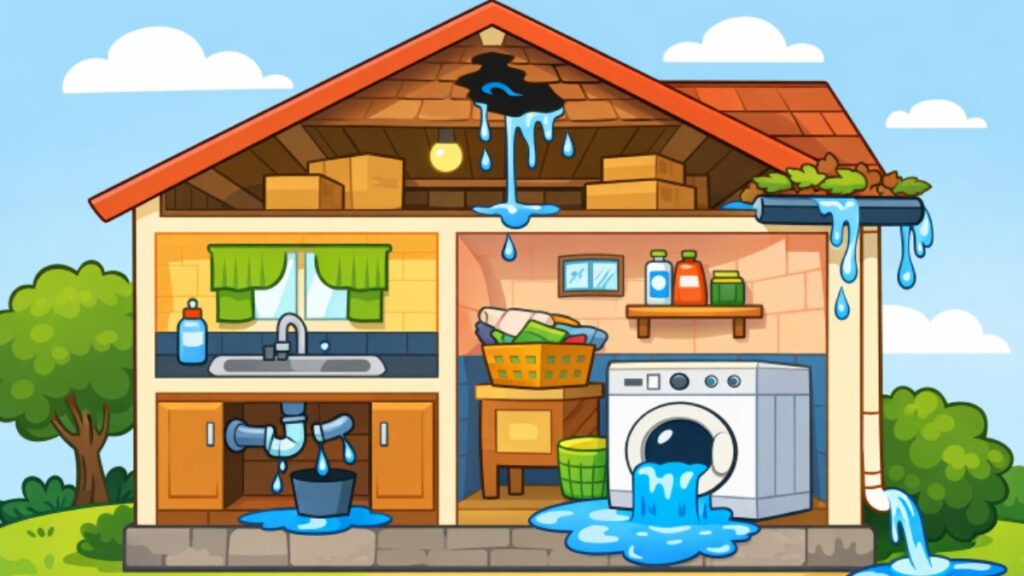
- Leaky Pipes: Worn-out or damaged pipes can leak slowly, causing gradual damage over weeks or months.
- Appliance Failures: Water heaters, washing machines, and dishwashers sometimes break down, leading to overflows or leaks.
- Compromised Roofing: Broken or missing shingles allow rainwater to enter.
- Clogged Gutters: Gutters filled with debris direct water toward your home’s foundation rather than away from it.
Preventive Measures to Avoid Water Damage
Homeowners can reduce risks by integrating the following practices into their maintenance routines:
- Conduct Regular Inspections: Examine plumbing, appliances, and fixtures every few months for visible signs of damage or leaks.
- Maintain Gutters and Downspouts: Clear debris from gutters and make sure downspouts channel water at least five feet from your home’s foundation.
- Install Water Detection Devices: Place leak sensors under sinks, behind major appliances, and near water heaters to detect leaks early.
- Monitor Water Pressure: Keeping your home’s water pressure within safe limits (typically 40-60 psi) helps prevent pipe bursts.
- Locate the Water Main Shut-Off: Ensure all household members know where and how to shut off the main water supply in an emergency.
More Tips and Ongoing Maintenance
Establishing a culture of vigilance in your home can help prevent minor problems from escalating into major incidents. For example, keeping an eye out for musty odors, water stains on ceilings or walls, and unexplained spikes in water bills can help catch leaks early. Don’t overlook areas like crawl spaces, attics, and basements; these are often overlooked but common trouble spots for moisture buildup and hidden leaks. Additionally, insulating exposed pipes during colder months can reduce the risk of freezing and subsequent bursting. When traveling or leaving home for extended periods, it is wise to shut off the water supply valve or arrange for someone to check your property regularly to avoid unresolved leaks from escalating in your absence. When damage occurs, timely storm damage restoration can help address water intrusion, structural issues, and related deterioration before they worsen.
Another key aspect of ongoing maintenance involves landscaping and outdoor drainage. Make sure your yard’s grading directs water away from your foundation, and consider installing a sump pump in areas prone to basement flooding. Strategic planting of trees and shrubs can also prevent root systems from interfering with buried pipes. Taking these extra steps creates a layered defense, protecting your property from both direct water intrusion and secondary risks linked to environmental changes around your home.
Immediate Steps to Take After Water Damage
Act quickly if water intrusion occurs to minimize lasting harm:
- Prioritize Safety: If water contacts electrical outlets or wires, turn off the power to affected areas immediately.
- Stop the Water Source: Whether it’s a pipe burst or appliance leak, shutting off the water quickly is critical.
- Extract Standing Water: Use a shop vacuum or a pump to remove pooled water as soon as possible.
- Dry and Dehumidify: Use fans and dehumidifiers to thoroughly dry the affected spaces, including walls and sub-floors.
- Sanitize Impacted Areas: Clean and disinfect all wet materials to prevent disease and control mold growth.
Understanding Insurance Coverage for Water Damage
Insurance policies typically cover sudden, accidental water damage, but often exclude claims resulting from poor maintenance or gradual leaks. Reviewing policy details ensures you know when you’re protected and when you may be responsible for out-of-pocket repairs. Consider supplemental coverage, such as flood or sewer backup insurance, for broader protection. As explained in a Consumer Reports guide, knowing the specifics of your policy before disaster strikes can spare you from costly surprises.
Documenting any incident thoroughly with photos or videos, and keeping receipts for repairs, will make the claims process less stressful. Keep a record of your communications with insurance adjusters and other parties involved. It may also be helpful to periodically review and update your home inventory, so you have accurate information about your possessions in case of a claim. Understanding your rights and responsibilities as a policyholder can help you avoid denials or delays and ensure a smoother recovery process should water damage occur.
When to Call Professionals
Minor issues, such as small leaks, can sometimes be addressed with prompt action and household tools. However, significant incidents should be handled by professionals with the expertise and equipment to perform comprehensive water extraction and remediation. This is especially important for incidents involving contaminated or category 3 water, such as sewage backups or flooding, which pose severe health risks if not properly treated.
Water restoration experts also conduct thorough assessments using moisture meters and thermal imaging to detect hidden water intrusion, helping to prevent future mold growth and structural problems. They adhere to industry safety standards, use specialized cleaning agents, and ensure all affected areas are fully dried and sanitized. Attempting do-it-yourself mitigation for major water disasters can lead to incomplete results or overlooked hazards. Consulting professionals early not only restores safety and comfort more quickly but also provides peace of mind that your home is protected against future damage.
Final Thoughts
Preventing and managing water damage requires commitment to regular home maintenance, awareness of your insurance coverage, and knowing when to seek professional help. By being vigilant and prepared, homeowners can avoid the most severe impacts of water and storm events and protect both their investment and their well-being.